
Mineral Exchange to Strengthen Indonesia's Bargaining Power in Global Commodity Markets
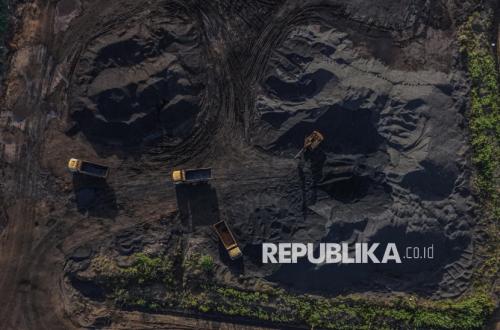
The launch of the Mineral and Strategic Commodity Exchange on 1 January 2027 is expected to strengthen Indonesia’s bargaining power in the global commodity market. The exchange is part of Indonesia’s broader effort to establish domestic trading mechanisms and commodity price references.
Strengthening this position is vital for Indonesia, which has long been a leading producer of several of the world’s key minerals. Nickel, tin, coal, and gold are considered strategic commodities that require a more transparent trading ecosystem supported by independent price benchmarks.
President Prabowo Subianto previously stated that the government intends to build the Mineral and Strategic Commodity Exchange as a sovereign trading instrument. The exchange is expected to serve as the foundation for the formation of the ‘Indonesia Reference Price’, allowing the nation to establish its own benchmarks for various major export commodities.
“We do not only want to be a global commodity producer; we must also participate in determining global commodity prices. We want Indonesia to be a place where commodities are traded,” said Prabowo, as reported on Friday (4/9/2026).
Rosan Roeslani, CEO of the Danantara Indonesia Investment Management Agency, noted that the Mineral and Strategic Commodity Exchange could operate alongside Danantara Sumberdaya Indonesia (DSI). He suggested that the mineral exchange could serve as a trading mechanism that enhances transparency and supports open price discovery.
“This mineral exchange will function more as a spot market,” said Rosan.
He added that the development of the exchange’s features must be tailored to the specific characteristics of mineral trading. The presence of the exchange is expected to increase transparency, accountability, and transaction governance, ensuring that the price formation process is openly accessible to all parties.
According to Rosan, the mineral exchange serves a complementary function to Indonesia’s existing mineral ecosystem. The instrument is expected to strengthen trading mechanisms while fostering more open domestic price formation.
Support for the plan has emerged from industry players. The Chairman of the Indonesian Nickel Industry Federation (FINI), Arif Perdana Kusumastya, stated that the association supports the government’s efforts to build a more transparent commodity trading system.
Arif noted that the industry has a vested interest in ensuring that Indonesia’s mineral resources are traded fairly and are protected from practices such as under-invoicing and transfer pricing. FINI, along with several other associations, has formed a task force to provide input to DSI during the development of the platform.
“No one is willing to see our resources subject to under-invoicing or transfer pricing; we certainly do not approve of it. From the association’s side, FINI supports this,” said Arif.
Arif assessed that establishing a price reference is a crucial aspect of developing the national mineral trading ecosystem. He believes the plan for the Indonesian Mineral Exchange aligns with Indonesia’s need to possess its own price benchmarks.
“I believe the goal of the Indonesian Mineral Exchange is exactly what President Prabowo conveyed. We must achieve that,” he added.
Through this exchange, Indonesia aims to build market infrastructure that enhances transaction transparency and strengthens the position of national mineral industry players. The presence of domestic trading mechanisms and price references is expected to grant Indonesia greater leverage in the global trade of strategic commodities.
Source: jawawa.id (https://jawawa.id/newsitem/mineral-exchange-to-strengthen-indonesias-bargaining-power-in-global-commodity-markets-1788540948)
Originally published by Republika (https://ekonomi.republika.co.id/berita/tku53m522/bursa-mineral-perkuat-daya-tawar-indonesia-di-pasar-komoditas-global), translated from Indonesian