
Mine Explosion Caused by Neglected Maintenance Kills 439
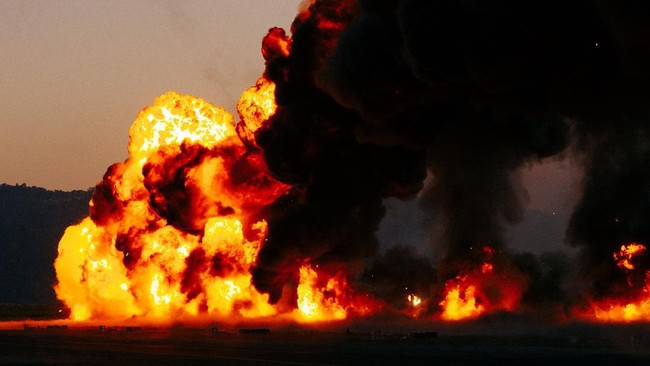
A coal mine in Wales exploded after its owner neglected maintenance and workplace safety. As a result, 439 people were killed in the disaster, which took place 113 years ago.
According to the Museum of Wales, at 8.10 am on 14 October 1913, around 950 workers were in the Universal Colliery in Senghenydd, Wales, preparing to start their daily shift. Unknown to them, highly flammable methane gas had accumulated underground. It was odourless, making it difficult to detect without specialist checks.
Disaster struck when a spark, believed to have ignited the methane, triggered a massive explosion that shook the mine’s network of tunnels. The initial blast then ignited coal dust accumulated in the passages, increasing its destructive force and spreading devastation to other parts of the mine.
Conditions underground became extremely dangerous. Some workers were killed by the explosion, while others were trapped amid fires and toxic gas, hindering rescue efforts.
“That’s why the explosion was so devastating: there was so much dust, and the dust fuelled the fire,” accident survivor Noel Snailham told BBC International, as quoted on Wednesday, 14 October 2026.
Rescue operations continued for several days because of the dangerous conditions in the mine. In the end, 439 people were declared dead. Many of the victims were young workers: 60 were under the age of 20, including eight who were just 14.
According to the Northern Mine Research Society, the inquiry following the disaster raised safety concerns at the mine, including the possibility that a spark from electrical signalling equipment had triggered the explosion. Accumulated methane was then ignited, while coal dust amplified the blast. Investigators also found that the owners had failed to provide adequate ventilation.
The tragedy was all the more harrowing because the Universal Colliery had already suffered an explosion on 24 May 1901, which killed 81 workers. Yet 12 years later, disaster struck again, with a much higher death toll. The events raised questions about the enforcement of safety rules and mine operators’ responsibility for preventing similar incidents.
After the disaster, mine manager Edward Shaw faced 17 charges, while the owner, Lewis Merthyr Coal Company, faced four. In May 1914, Shaw was found guilty on eight charges and fined a total of £24. The company was fined £10 for one offence. These fines would amount to hundreds of thousands of rupiah today.
The penalties drew disappointment, as they were considered inadequate given the scale of the disaster, which claimed hundreds of lives. The mine continued operating under its management before it closed permanently in 1928.