
Mimika Regent reveals reasons why 2026 budget absorption remains low.
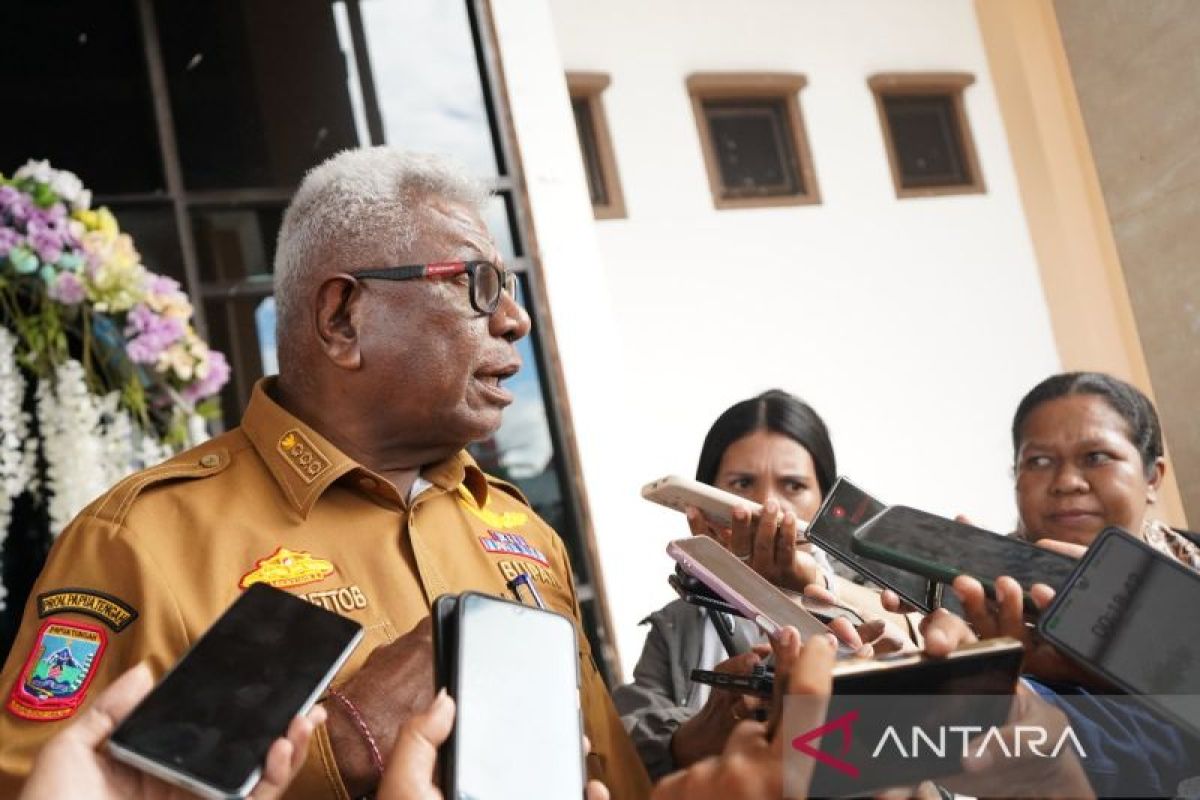
Timika — The Regent of Mimika, Johannes Rettob, said the process of physical project works that have not yet been carried out is contributing to the low absorption of the 2026 APBD. He noted that the delay in physical works is due to price hikes in commodities across Indonesia, which raise unit prices and affect the tendering process for physical works. ‘There are several important notes why infrastructure development has not progressed. First, prices of goods have risen. For example, we source materials from Surabaya, where prices have increased. Not to mention transport costs here are also rising because diesel prices have surged,’ he said. The Mimika Regency Government is currently conducting a review of unit prices comprehensively. ‘If we build a one-kilometre road with the previous budget value, while unit prices have risen, should we still enforce the previous budget? Contractors would not want to bid,’ he added. During the unit-price review, the volume of works will be adjusted so that the total contract value does not exceed the available budget. ‘The budget cannot be increased. What we will do is reduce the volume of works, and we are currently considering this,’ he said. He said that the average physical works underway in several areas are multi-year projects, whereas annual physical works across most regions have not yet begun. ‘I say this because I am the Vice-Chairman of APKASI, the Association of Indonesian Regency Governments, so we understand the situation,’ he added. He noted that in the goods-and-services procurement system, the government can implement the Contract Change Order (CCO) mechanism. However, not all works can be carried out through the CCO mechanism. ‘Some works can be tendered first, then a CCO is applied during implementation. But not all works can be covered by the CCO mechanism. This must be understood by the public,’ he said. Mimika’s Head of the Regional Financial and Asset Management Agency (BPKAD), Marthen Tappi Mellisa, said that by mid-May the APBD absorption in Mimika had reached only 11.38 percent or around Rp637 billion of a total APBD 2026 of Rp5.6 trillion. The largest absorption came from operating expenditures such as personnel costs and goods and services. Meanwhile, capital expenditures remained minimal because government project works had not yet started.