
Millions Work in the Informal Sector: A Snapshot of Indonesia’s Gig Economy
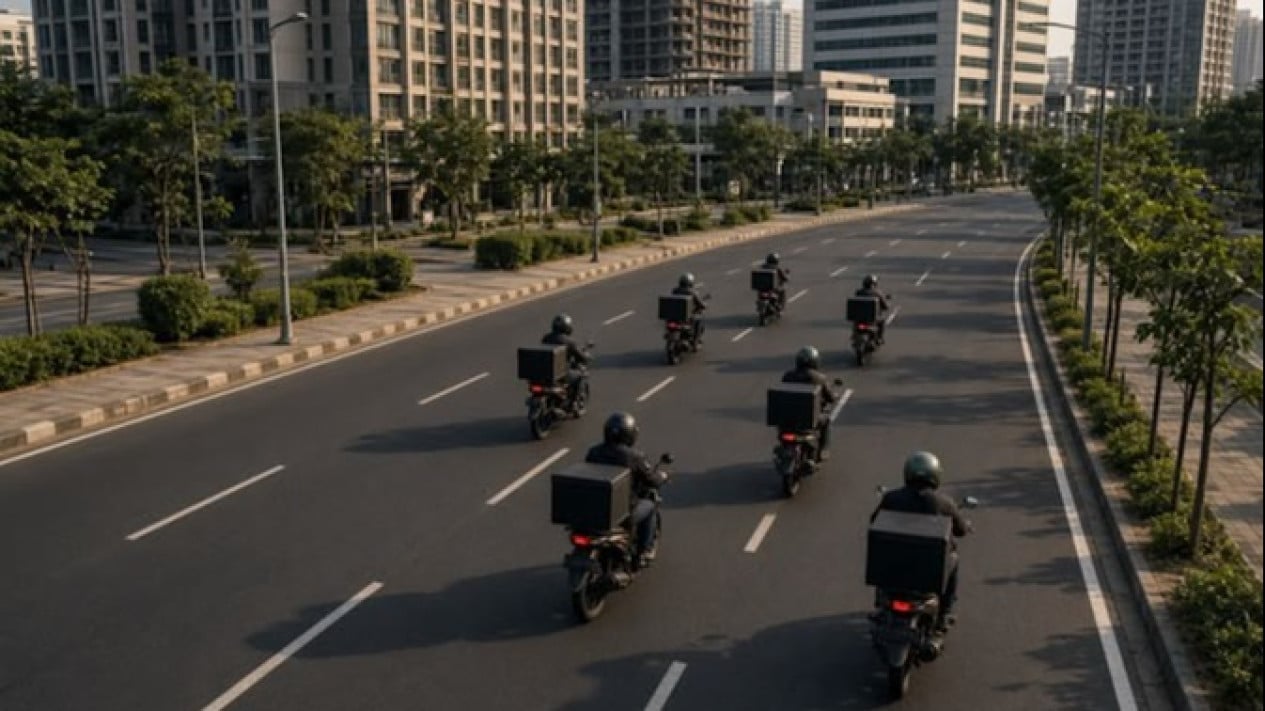
The growth of the gig economy is creating alternative employment opportunities for people, including in transport and logistics. Through digital platforms, workers can make use of their time and mobility to earn an income.
However, this development also reflects the reality of Indonesia’s labour market, which continues to rely heavily on the informal sector.
According to Statistics Indonesia’s (BPS) February 2025 National Labour Force Survey (Sakernas), 86.58 million people, or 59.40 per cent of the employed population, worked in the informal sector. The figure has remained relatively stable over the past three years, including compared with conditions during the 2020 pandemic.
Meanwhile, the open unemployment rate stood at 4.76 per cent, down by around 0.6 percentage points from the previous period. Although not all informal workers are gig workers, the sector’s large share highlights the importance of various forms of employment outside formal working relationships.
Most gig workers are active in transport, including passenger services, food delivery and courier services. A 2024 report by CELIOS found that areas covered by online transport services had unemployment rates 37 per cent lower and poverty rates 18 per cent lower than areas without similar access.
A 2023 study by the Bandung Institute of Technology’s School of Business and Management (SBM ITB) estimated that online transport services contributed Rp382.62 trillion a year, or around 2 per cent of Indonesia’s gross domestic product in 2022.
Platform-based work is not necessarily synonymous with low earnings. Citing the Ministry of Manpower’s website, the article says a 2024 CELIOS report put online drivers’ average net income at between Rp3.5 million and Rp5 million a month. The figure can reach Rp7 million for full-time workers, matching or exceeding the provincial minimum wage in some areas.
However, earnings still depend on working hours, the number of orders, operating costs and each worker’s circumstances. In logistics, vehicle maintenance and other operating expenses must be taken into account when calculating net income.
Workers’ experiences in the sector were also highlighted by Heroes Behind The Wheels, a competition organised by delivery platform Lalamove. The event, held in Jakarta, collected 3,836 stories from driver-partners about their work and how they make a living.
Source: jawawa.id (https://jawawa.id/newsitem/millions-work-in-the-informal-sector-a-snapshot-of-indonesias-gig-economy-1795683220)
Originally published by VIVA.co.id (https://www.viva.co.id/bisnis/1946539-jutaan-orang-bekerja-di-sektor-informal-begini-gambaran-ekonomi-gig-di-ri), translated from Indonesian