
Millennials begin to abandon previously popular home features
Jakarta (ANTARA) - The preferences of the millennial generation in choosing homes are reported to be changing, with several features once considered added value now becoming less desirable.
This shift is influenced by how this generation utilises space within the home, as well as technological advancements and the need for more practical housing.
Quoting the lifestyle website Real Simple on Thursday (10/9) local time, one feature being abandoned is the open floor plan concept.
Property agent Anne Frewen stated that the COVID-19 pandemic led some buyers to question this concept, as noise and clutter spread more easily without partitions between rooms.
Nevertheless, open kitchens and family rooms remain popular. Millennial buyers tend to want other areas to have specific functions and dedicated spaces.
A similar trend is visible in very large garden spaces. Real estate investment strategist from Home Investors Zone, Jeff Adams, noted that millennial buyers prefer outdoor areas that are easy to maintain, such as terraces, native local plants, drought-resistant vegetation, and spaces for socialising.
Specialised wine cellars are also losing their appeal. In their place, buyers are reportedly more interested in areas dedicated to coffee or various other types of beverages.
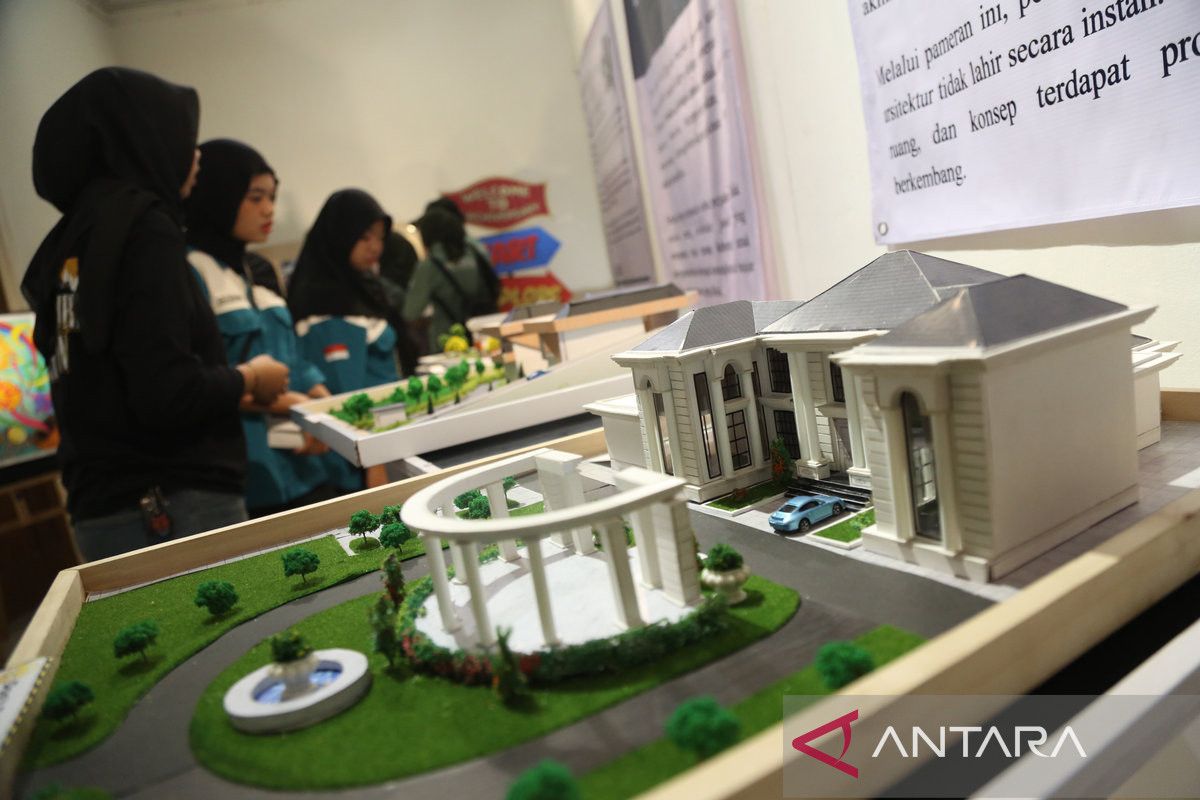
Features characteristic of the large-scale mansion style of the 2000s, such as decorative pillars, two-storey foyers, stone accent walls, and arched doorways, are also considered less popular as they are viewed as excessive and outdated.
Formal dining rooms, which are only used a few times a year, are also deemed inefficient. Millennial buyers prefer flexible layouts that can be adapted to various needs.
Meanwhile, thick wall-to-wall carpeting is also being abandoned. Property agent Kristina Morales stated that buyers tend to replace it with wooden flooring or luxury vinyl planks because they are easier to clean.
These changes indicate that millennial buyers’ considerations are increasingly focused on functionality and ease of home maintenance, rather than features previously regarded as symbols of luxury.