
Millennials and Gen Z Drive Demand for Subsidised Housing, Says BP Tapera
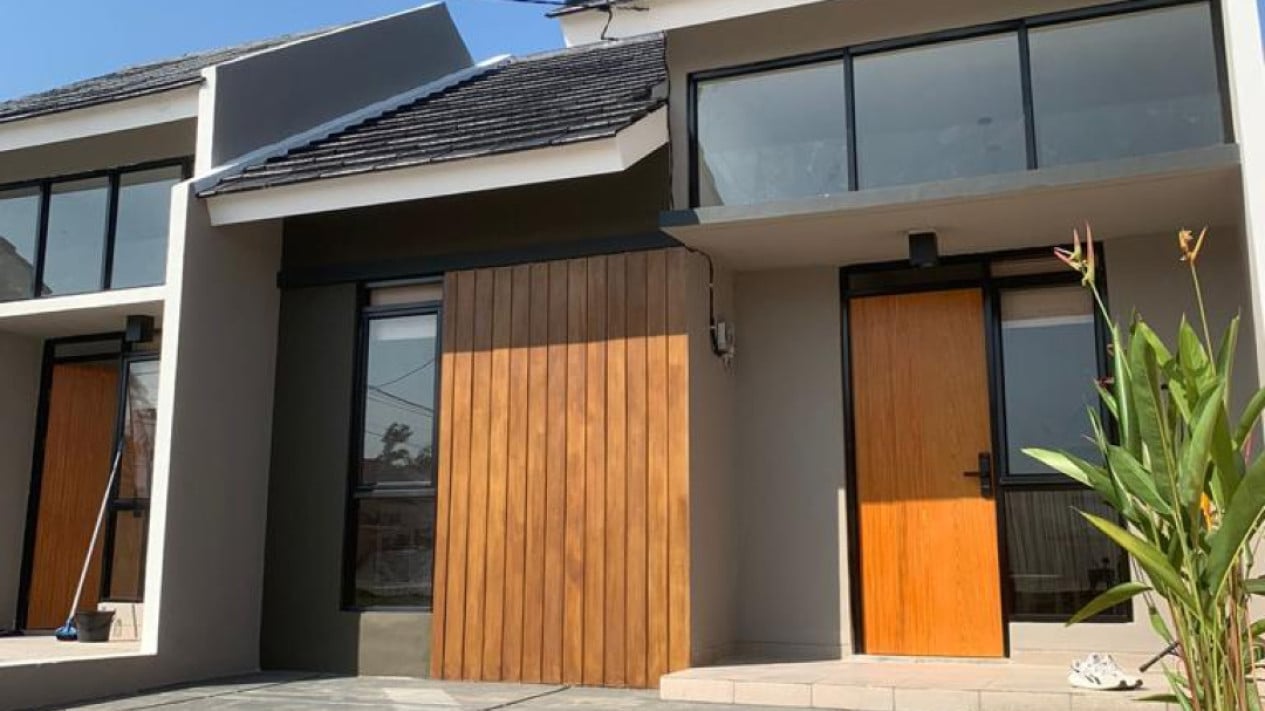
Jakarta, VIVA – The Public Housing Savings Management Agency (BP Tapera) has revealed that the growth of young families is the main driver of demand for subsidised housing. They are predominantly from the millennial and Gen Z generations.
This is also supported by the fact that developers and the government are increasingly paying attention to area connectivity, road access, clean water networks, transport, education, health, and commercial facilities as part of subsidised housing development.
“From a demographic perspective, the growth of young families, urbanisation, and rising awareness of home ownership as a long-term asset are also the main drivers of subsidised housing demand,” said BP Tapera Commissioner Heru Pudyo Nugroho in Jakarta on 2 August 2026.
“The market prospects for subsidised housing in the second half of 2026 remain very positive,” he said.
The high backlog in home ownership shows that the housing needs of low-income communities (MBR) remain very large and have not been fully met.
Meanwhile, the government continues to strengthen financing support through the FLPP scheme, with a target of distributing 350,000 subsidised housing units in 2026.
For information, BP Tapera notes that subsidised homes under the Housing Financing Liquidity Facility (FLPP) are in high demand among the millennial and Gen Z generations.
BP Tapera Commissioner Heru Pudyo Nugroho said the distribution of FLPP funds for subsidised housing last year (2025) reached 278,868 units, of which roughly 62% was accessed by Gen Z and millennials aged 19 to 30.
According to Heru, this brings optimism that young people’s awareness of making long-term investments in the form of housing as an investment for the future remains very high.
Meanwhile, Coordinating Minister for Infrastructure and Regional Development (Menko IPK) Agus Harimurti Yudhoyono (AHY) said the housing sector is one of the national development priorities with a wide-ranging impact on improving public welfare.
According to AHY, the programme is not merely about building houses, but also about building hope, improving people’s quality of life, and strengthening the foundations of inclusive and sustainable development. (Ant)