
Migrant CARE Highlights Weak Protection for Indonesian Migrant Workers Following Shipwreck in Malaysia
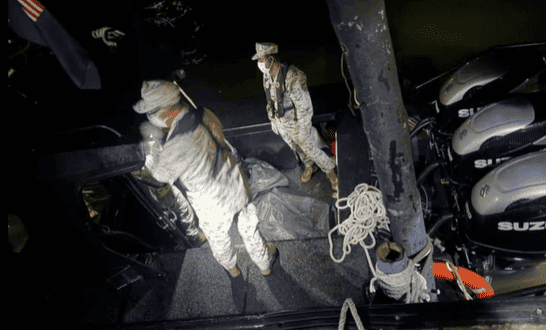
The sinking of a vessel suspected of transporting Indonesian Migrant Workers (PMI) towards Malaysia has once again triggered harsh criticism regarding the state’s protection system. This incident is viewed not merely as an ordinary maritime accident, but as a reflection of fractured border governance and weak supervision over non-procedural labour deployment practices.
Trisna Dwi Yuni Aresta, Coordinator of Knowledge Management, Data, and Publication at Migrant CARE, stated that this heartbreaking event continues to recur due to the lack of access to safe migration for citizens. She emphasised that the high risks faced by Indonesian migrant workers are a consequence of limited options for working abroad through legal channels.
“Migrant CARE expresses its deepest condolences regarding this tragedy. Such tragedies are not isolated incidents in border regions. This demonstrates the high risks faced by Indonesian migrant workers due to minimal state protection, narrow access to safe migration, and the ongoing prevalence of non-procedural placement practices,” Trisna said on Monday (18/5).
According to Migrant CARE’s analysis, the drive to use risky routes is often triggered by economic and bureaucratic factors. Many prospective migrant workers become trapped in illegal routes due to a lack of information regarding official procedures, high placement costs, and the difficulty of finding decent employment domestically.
“We all know that many migrant workers are forced to use unsafe routes because of limited access to information, expensive placement costs, weak recruitment supervision, and the lack of decent jobs at home,” she continued.
Migrant CARE suspects the presence of human smuggling practices leading to Human Trafficking (TPPO) in this case. This is further supported by the fact that the intellectual actors or agents responsible for transporting the victims have not yet been uncovered.
In addition to highlighting weak border supervision, Trisna also criticised the performance of the Human Traffering Task Force, which is deemed suboptimal in performing early detection functions. The lack of accurate passenger data at border regions provides a wide loophole for human trafficking mafia networks.
“The state’s role in border areas is also quite weak, compounded by the absence of the Human Trafficking Task Force’s duties, which should function to prevent and detect human trafficking crimes,” Trisna asserted.
Following this tragedy, Migrant CARE has issued an official demand to the government to investigate thoroughly all parties involved in sending migrant workers through dangerous routes and to take decisive action against the human trafficking networks suspected of involvement in the case.
Yvonne Mewengkang, Spokesperson for the Indonesian Ministry of Foreign Affairs, explained that the number of victims found exceeded initial estimates provided by the ship’s crew.
Source: jawawa.id (https://jawawa.id/newsitem/migrant-care-highlights-weak-protection-for-indonesian-migrant-workers-following-shipwreck-in-malaysia-1780893058)
Originally published by Media Indonesia (https://mediaindonesia.com/humaniora/891516/migrant-care-soroti-lemahnya-pelindungan-pmi-pascatragedi-kapal-tenggelam-di-malaysia), translated from Indonesian