
Middlemen in the Knot of Farmers' Economy
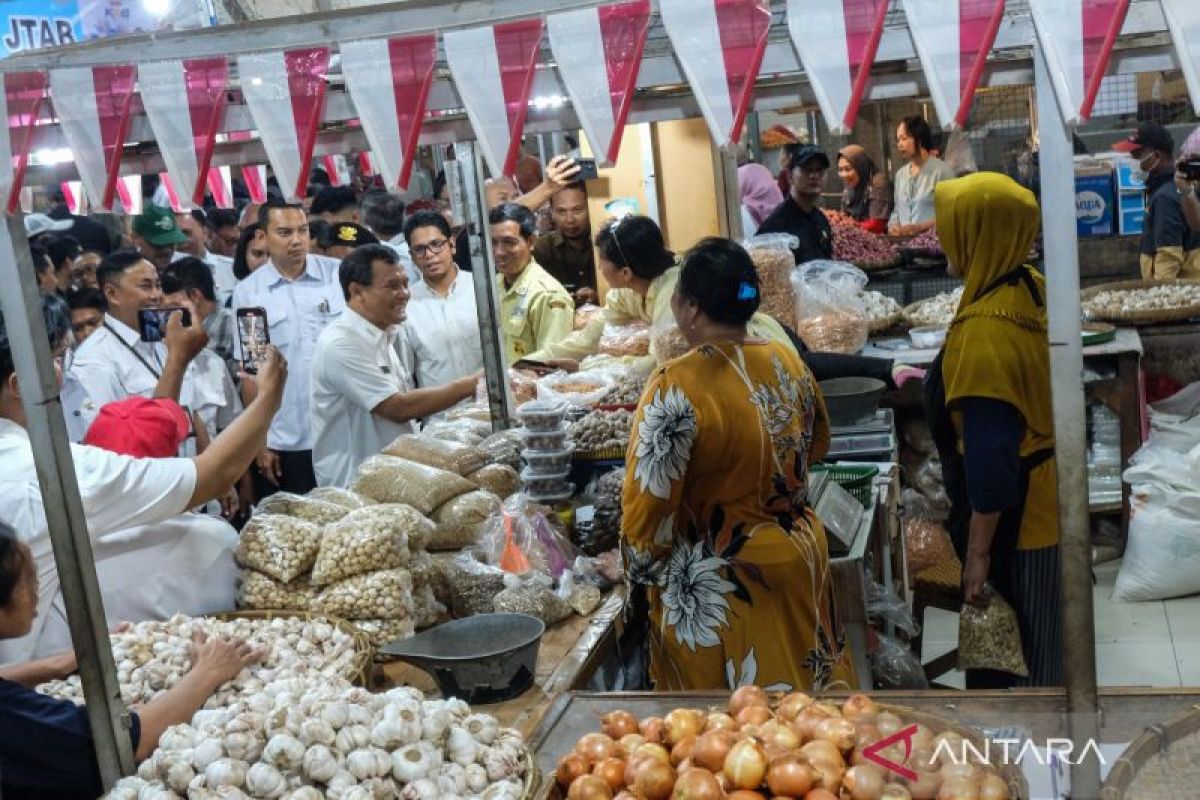
Jakarta (ANTARA) - In many discussions about agriculture, the term tengkulak almost always appears with a tone of suspicion. Tengkulak are depicted as figures who profit from farmers’ sweat, buying at low prices and selling at high ones, even often trapping them in high-interest debt. In popular narratives, tengkulak have become a symbol of inequality in the food supply chain. However, if one looks more closely at rural life, that picture is never entirely black or white. There, the “role of tengkulak” becomes a more complex, even paradoxical, phenomenon. In everyday practice, tengkulak do often exploit their position as intermediaries between farmers and the market. During peak harvest times, when production is abundant and farmers need immediate cash, tengkulak step in as ready buyers to absorb the harvest. The problem is that farmers’ weak bargaining position leads to prices being suppressed. Farmers have few options due to limited access to markets, price information, and storage facilities. At this point, tengkulak can take a large margin without providing commensurate rewards to farmers. However, field realities reveal another equally important side. For many farmers, especially in areas far from distribution centres, tengkulak become a “saviour god”. They provide quick liquidity that formal systems cannot offer. When farmers need funds for urgent needs, from production costs to household expenses, tengkulak appear without convoluted procedures. Transactions can occur within hours, something difficult to find in aid schemes or banking that are often bogged down by bureaucracy. This is where the dilemma arises. Tengkulak can be a source of problems as well as solutions. They can suppress prices but also accelerate the flow of goods. They offer high-interest loans but also serve as the only gateway to financing for small farmers. Tengkulak take profits but also ensure that harvests are not wasted because they are not absorbed by the market. In an ecosystem that is not yet fully ideal, the role of tengkulak becomes an inseparable part of farmers’ lives. This is precisely why approaches that simply antagonise tengkulak often fail to solve the issues. What is needed is not just eliminating their role, but transforming it. Strategic Partners Tengkulak, who have long been associated with exploitative practices, actually have the potential to become strategic partners if directed properly. There are five simple principles that can serve as a foundation. First, fair prices, where purchases no longer suppress farmers. Second, a fast and reliable payment system, so that farmers’ liquidity needs remain fulfilled. Third, guidance and support to improve the quality of harvests. Fourth, utilisation of extensive marketing networks to open better market access. Fifth, building long-term cooperation based on trust, not just one-off transactions.
Source: jawawa.id (https://jawawa.id/newsitem/middlemen-in-the-knot-of-farmers-economy-1774763444)
Originally published by Antara (Indonesian) (https://www.antaranews.com/berita/5498958/tengkulak-dalam-simpul-ekonomi-petani), translated from Indonesian