
Middle East War Update: China-Russia Aid Iran Against US
The escalation of military conflict between the United States (US) and Iran is reported to be intensifying and spreading to various strategic sectors over the past 10 days. Iran’s Islamic Revolutionary Guard Corps (IRGC) reportedly launched a fresh wave of air strikes targeting digital infrastructure facilities owned by global technology companies.
Citing reports from CNN International and CNBC International on Wednesday (22/07/2026), the fierce fighting triggered by the collapse of a ceasefire agreement is increasingly threatening the stability of the Gulf region. The exchange of fire using ballistic missiles and combat drones is now not only targeting military bases and commercial vessels but also threatening the destruction of underground nuclear facilities and the disruption of global energy supply routes.
IRGC forces claimed to have launched a wave of cruise missiles targeting a data centre belonging to US technology giant Amazon, located in Bahrain. According to an official statement broadcast by Iranian state media, Fars News Agency, the surprise attack successfully destroyed the Amazon data centre facility in the Gulf state. This attack on commercial digital infrastructure marks a new chapter in the escalating, uncontrolled conflict in the Middle East, dragging the technology sector into the front lines of the battle between Washington and Tehran.
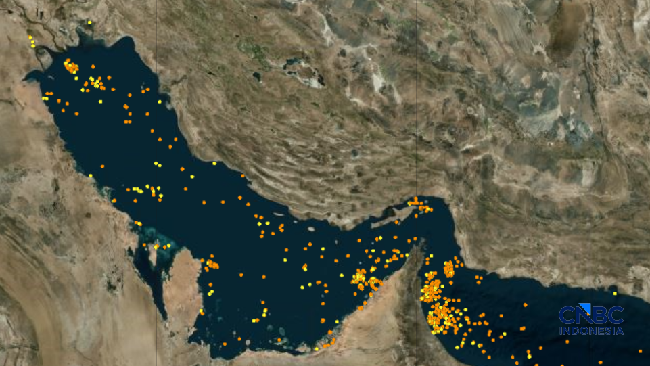
Shipping activity along the vital Strait of Hormuz waterway has reportedly suffered a drastic decline since the outbreak of open hostilities between the US and Iran. Analysis from Lloyd’s indicates that most oil tankers daring to transit the strait are now switching off their transponders to avoid radar tracking and missile strikes. Trade intelligence data from Kpler recorded a deeply concerning situation over the past weekend, with only 30 vessels detected crossing the strait, a sharp drop from the more than 100 ships that routinely transited daily before the US and Israeli strikes on Iran on 28 February.
The paralysis of navigation in the Strait of Hormuz has instantly triggered a shock to global energy market stability. As the world’s most critical energy chokepoint, channelling around 20.3 million barrels of crude oil per day—equivalent to 25% of global seaborne oil trade—the disruption has caused benchmark Brent crude prices to surge past the psychological level of US$90 per barrel. Amrita Sen, Founder and Director of Research at Energy Aspects, warned that with inventory buffers severely eroded, continued disruptions into August could force Gulf production cuts and send crude prices back into triple digits.