
Middle East Turmoil Drives Energy Transition, but Impact on Emissions Not Yet Visible
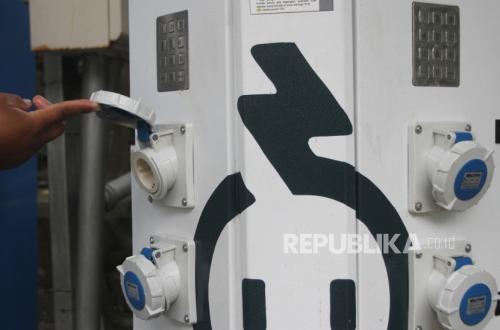
Geopolitical turmoil in the Middle East is prompting several countries to strengthen the energy transition from fossil fuels to clean energy. Attacks by the United States and Israel against Iran since last February have triggered a rise in global oil and gas prices.
However, amidst these policies, global greenhouse gas emissions are still increasing, albeit slightly. Clean energy investment this year has also been recorded as lower compared to the same period last year.
Several experts believe that the unrest in the Middle East could accelerate the adoption of clean energy. However, the world remains heavily dependent on fossil fuels.
Experts also warn that newly published energy transition policies require time before delivering a tangible impact on energy usage and emissions.
“World governments are currently oscillating between recognising the importance of clean energy while continuing to support the expansion of fossil fuels. We see the interaction between the old and new worlds contradicting each other,” said Pauline Heinrich, a lecturer at King’s College London, on Saturday (19/9/2026).
In the United Kingdom, for example, the installation of solar power plants is growing rapidly. However, at the same time, the government in London is also considering the expansion of natural gas production.
In Asia, demand for electric vehicles and solar power plants continues to increase. Indonesia is also replacing several diesel power plants with solar power. However, simultaneously, Indonesia is increasing coal usage for several heavy industries.
Data from the Clean Investment Monitor, managed by the consulting firm Rhodium Group, shows that global investment in wind and solar power plants in the first half of 2026 decreased compared to the same period last year. This decline is the first after clean energy investment had grown for several years.
Hannah Pitt, Director of Rhodium Group, stated that clean energy investment in China, which has long been one of the main drivers of the clean energy industry, experienced a decline. Meanwhile, solar power investment in the US, Europe, and India—which are heavily impacted by rising oil and gas prices—experienced growth.
Investment in wind power plants in these three economies remained relatively stable or grew.
Last February, climate scientist from Stanford University, Rob Jackson, stated that the assumption that US and Israeli attacks on Iran would drive the use of renewable energy was “mere wishful thinking,” unless the conflict persists for a long time.
Six months later, Jackson stated that he does not expect oil prices to remain in the range of 90 to 100 US dollars per barrel for a very long time.
According to Jackson, steps such as providing incentives for electric vehicle purchases, investing in infrastructure, and encouraging widespread electrification can help address climate change. However, such policies must be implemented consistently and sustainably.
“We must take these steps for years, for decades, to make an impact on the climate issue,” said Jackson.
Source: jawawa.id (https://jawawa.id/newsitem/middle-east-turmoil-drives-energy-transition-but-impact-on-emissions-not-yet-visible-1789865512)
Originally published by Republika (https://esgnow.republika.co.id/berita/tlmz59423/gejolak-timur-tengah-pacu-transisi-energi-dampaknya-belum-terlihat-pada-emisi), translated from Indonesian