
Middle East in Investor Spotlight, Asian Markets Mixed
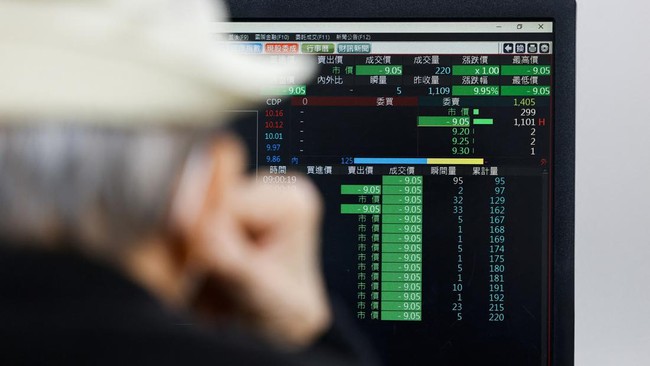
Asian stock markets moved variably at the start of the week amid heightened investor caution over geopolitical developments in the Middle East. The majority of investors are still scrutinising the rise in global oil prices and awaiting US inflation data that could influence the direction of Federal Reserve policy.
In Japan, the Nikkei 225 index was one of the best performers in the region. As of 09:30 Tokyo time, the Nikkei had risen 631.74 points, or 0.89%, to 71,881.80. Meanwhile, China’s stock market showed no significant change. The Shanghai Composite Index was recorded at 4,090.481, unchanged from the previous close. The Shenzhen Component Index also stagnated at 16,030.702. In Hong Kong, the Hang Seng Index had yet to record any movement and held at 23,924.81.
In contrast to Japan, the Australian stock market moved into the red. The S&P/ASX 200 index fell 13.40 points, or 0.15%, to 8,815.30. Greater pressure was seen in South Korea, where the KOSPI index weakened by 71.34 points, or 0.79%, to 8,981.08. In Southeast Asia, Singapore’s Straits Times Index fell 20.14 points, or 0.39%, to 5,192.70.
Global financial market trading entered the week with a cautious sentiment. Energy markets showed a different direction, with US West Texas Intermediate crude oil rising nearly 3% to around US$78 per barrel. Brent crude, the global benchmark, also strengthened by more than 1% to around US$81 per barrel. This movement occurred after President Donald Trump on Sunday threatened to launch new strikes against Iran if the country’s leaders did not immediately stop their highly paid proxies in Lebanon from causing trouble. His statement came as Vice President JD Vance met with Iranian officials for the first round of negotiations in Switzerland, after previous talks were cancelled.
The main test for markets this week is the release of the Personal Consumption Expenditures (PCE) price index data for May on Thursday, which is the Federal Reserve’s preferred inflation indicator. Even excluding volatile food and energy prices, core PCE is expected to increase compared to April, according to economists surveyed by FactSet. Following the hawkish tone of the Fed meeting last week, expectations for a rate hike have been brought forward to as early as October. Investors are now intensely focused on any inflation data that could signal the US central bank may soon begin raising interest rates.