
Middle East energy transition opens opportunities for cooperation with China
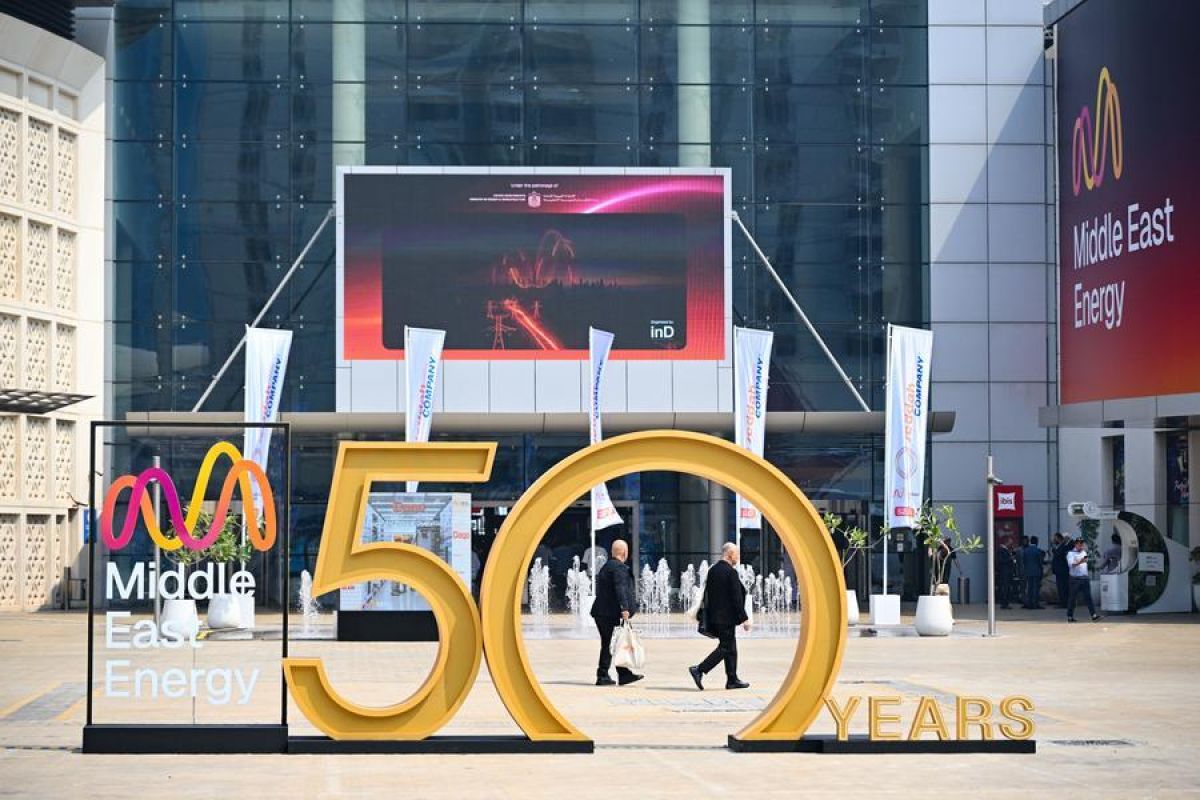
Dubai (ANTARA) - Middle Eastern countries are accelerating investments in power infrastructure and cleaner energy, thereby creating various new opportunities for cooperation with Chinese companies.
This cooperation focuses on the power grid sector, renewable energy, energy storage, and electric vehicle (EV) charging, as stated by participants at the Middle East Energy 2026 exhibition in Dubai, United Arab Emirates (UAE).
The three-day event, which concluded on Thursday (3/9), brought together over 1,900 energy companies from more than 150 countries and regions, and was attended by approximately 35,000 visitors, according to the organisers.
The exhibition highlighted the ongoing energy transition in the Middle East. Key themes included the modernisation of power grids, energy storage, digitalisation, and the increasing demand for electricity driven by developments in artificial intelligence (AI) and data centres.
Exhibitors from China showcased a variety of products, ranging from transformers, switchgear, and power transmission systems to solar energy solutions, energy storage, and EV charging. They are seeking to capitalise on the rising demand for modern power infrastructure in the region.
UAE Minister of Energy and Infrastructure Suhail Mohamed Al Mazrouei stated in his opening remarks that the UAE is building a more diversified energy mix, while simultaneously strengthening energy security and accelerating the transition towards cleaner and more sustainable energy.
He noted that governments, industry, investors, technology companies, academia, and financial institutions must work together to increase energy efficiency, drive innovation, and reduce costs, adding that stronger regional power interconnections will help build more efficient and resilient energy systems.
For Chinese power equipment manufacturers, this shift creates various opportunities beyond conventional power plant projects, now extending into the grid sector, energy storage, and end-user electrification.
The UAE, Saudi Arabia, and Oman have expanded solar and wind projects in recent years, boosting the demand for transmission and distribution equipment, added Xia.
The energy transition in the region is also generating demand for infrastructure related to EVs and distributed energy systems.
“Although the Middle East is rich in oil and gas resources, the increasing number of EVs is driving the demand for charging infrastructure,” said Shi Yu, marketing and overseas business division project management manager at Shanghai Electric Group Power Transmission & Distribution Equipment Co., Ltd.
Shi noted that his company’s solar, energy storage, and charging solutions also attracted interest from visitors, particularly from the UAE and Saudi Arabia. In both countries, several residential properties with high electricity consumption must pay relatively expensive electricity costs.
He assessed that ongoing urban development and the energy transition in the region have the potential to further drive the need for power infrastructure upgrades.
For some Chinese manufacturers, these opportunities are already materialising in the form of new contracts.
Hunan Guochuang Electric Power Co., Ltd. successfully signed contracts worth more than 210 million yuan (1 yuan = Rp2,631) through customer visits before and during the exhibition, said Fan Liming, the company’s general manager.
Guochuang has participated in the Middle East Energy exhibition four times, said Fan, adding that the power market in the region continues to grow, while countries such as the UAE and Saudi Arabia are placing more emphasis on smart manufacturing and digital production.
According to him, this trend is also increasing the demand for higher technological standards and quality in power equipment.