
Middle East crisis prompts renewed global reliance on coal
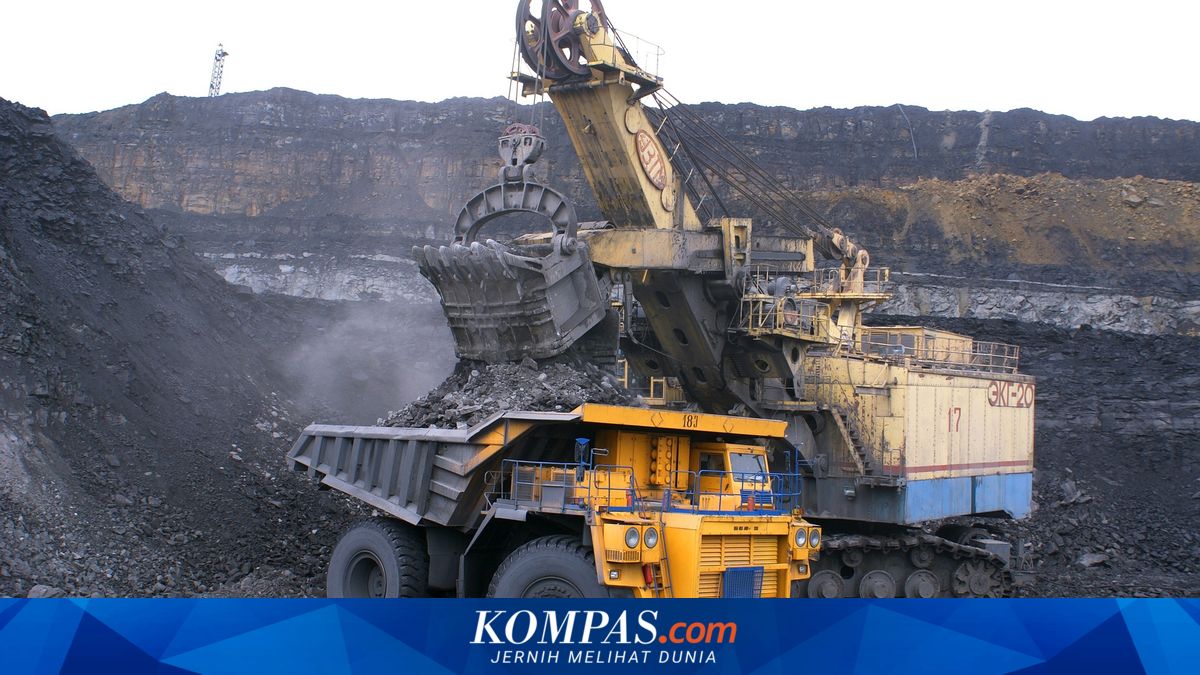
Amid the strong momentum of the energy transition and global campaigns for clean energy, global coal investments continue to rise. A global energy crisis triggered by conflicts in the Middle East has led many countries to once again rely on fossil fuels, deemed the most readily available and accessible energy source in the short term. The International Energy Agency’s (IEA) 2026 World Energy Investment report, released on Thursday (28 May 2026), projected global coal supply investments to reach USD 180 billion, or approximately IDR 3.21 trillion (based on an exchange rate of 17,846 rupiah per US dollar). The investment surge coincides with energy supply uncertainties caused by Middle East conflicts, particularly disruptions to the Strait of Hormuz, a critical passage for global oil and gas trade. IEA noted that the current crisis has strengthen nations’ focus on energy security. ‘Changes in perceived risks and reliability are expected to renewed interest in domestic energy sources; for major fuel importers, this creates opportunities for renewable energy, nuclear, and potentially coal,’ the report states. In essence, heightened risks associated with energy imports are driving countries to reassess domestic options, including coal. China accounts for nearly 70% of global coal investments in 2026, and is the most active in approving new coal-fired power plants. Over USD 100 billion, or approximately IDR 1.78 trillion, of global coal investments stem from thermal coal production developments in China, a 7% increase from 2025 and nearly double the level a decade ago. India is the second-largest investor in coal globally, with investments tripling over the past decade. ‘This crisis may drive coal spending in key Asian markets, at least in the short term, as countries endeavour to prolong the operational lifespan of existing coal power plants,’ IEA said.