
Middle East Conflict Triggers 100 Percent Surge in Plastic Prices in Depok
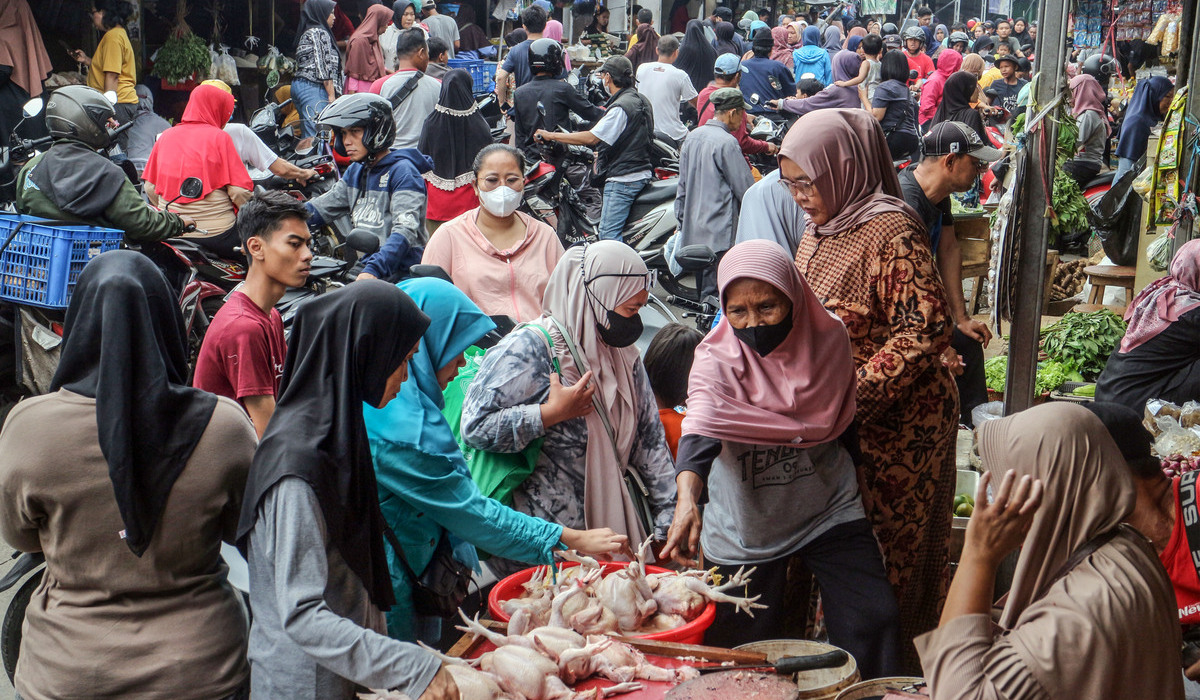
Geopolitical tensions stemming from the Middle East conflict are beginning to have a tangible impact on Indonesia’s micro-economic sector. In Depok City, West Java, plastic prices at traditional markets have reportedly surged dramatically by up to 100 percent as of April 2026. This increase is triggered by disruptions in global raw material supplies due to armed conflict.
Based on field observations, the rise in plastic prices is caused by the skyrocketing cost of naphtha, the main component in plastic production, which is directly affected by the war in the Middle East between Iran and the United States along with its ally, Israel.
Selamet, 40, one of the plastic traders at Cisalak Market in Depok City, revealed that the price increase has occurred uniformly across all traditional markets in the area. He cited the closure of the Strait of Hormuz as the key factor hindering raw material supplies.
“The main cause of the plastic price increase is the disruption in raw material supplies (naphtha) due to the war in the Middle East. This conflict has triggered the closure of the Strait of Hormuz, which is vital for global trade routes,” said Selamet on Tuesday afternoon (7/4/2026).
Selamet detailed that before the conflict escalation, the price of a pack containing 100 plastic bags was around Rp17,000. However, it has now soared to Rp34,000.
This situation has severely hit the turnover of traders and micro, small, and medium enterprises (MSMEs), especially in the culinary sector. The swelling packaging costs are forcing business operators to adjust selling prices to avoid bankruptcy.
Arman, 36, another plastic trader, expressed his concern over the situation. He urged the government to promptly take strategic steps to find alternative raw material supplies from other countries.
“The government must step in to address this plastic issue. We traders are already stressed facing this price uncertainty,” complained Arman.
The plastic price increase does not stand alone. The Head of the Regional Technical Implementation Unit (UPTD) of Cisalak Market, Budi Haryanto, confirmed that the surge in plastic packaging prices is starting to affect food commodity prices, particularly cooking oil.
“Almost all brands of cooking oil have experienced price increases as a direct impact of the plastic packaging price surge,” Budi concluded.
As of this report, traders are hoping for interventions from the central or local government to stabilise raw material prices in the domestic market, in order to maintain people’s purchasing power and the sustainability of MSMEs.
The surge in global plastic raw material prices, triggered by economic uncertainty and the Middle East conflict, is now being felt down to retail traders in Makassar City, South Sulawesi.
The plastic price increase is making it difficult for micro, small, and medium enterprises (MSMEs) to maintain business operations.
Minister of Cooperatives and SMEs Maman Abdurrahman revealed that his office has received reports and aspirations from MSME actors regarding the rise in prices of product wrappers.
The war between the United States-Israel and Iran is impacting the surge in various types of plastic prices in Indonesia, including in Bangka Belitung Province (Babel).
Prices of plastic-based products have risen since early April 2026 due to disruptions in imports of raw materials from the Middle East.