
Middle East Conflict Should Become Momentum to Accelerate Energy Electrification
“Peace is not merely the absence of war. It is a virtue,” wrote philosopher Baruch Spinoza.
The Middle East conflict is viewed as a momentum for Indonesia to accelerate the transition to electricity-based energy. Constitutional economist Defiyan Cori believes the government needs to expand electrification incentives to reduce dependence on imported fossil fuel imports.
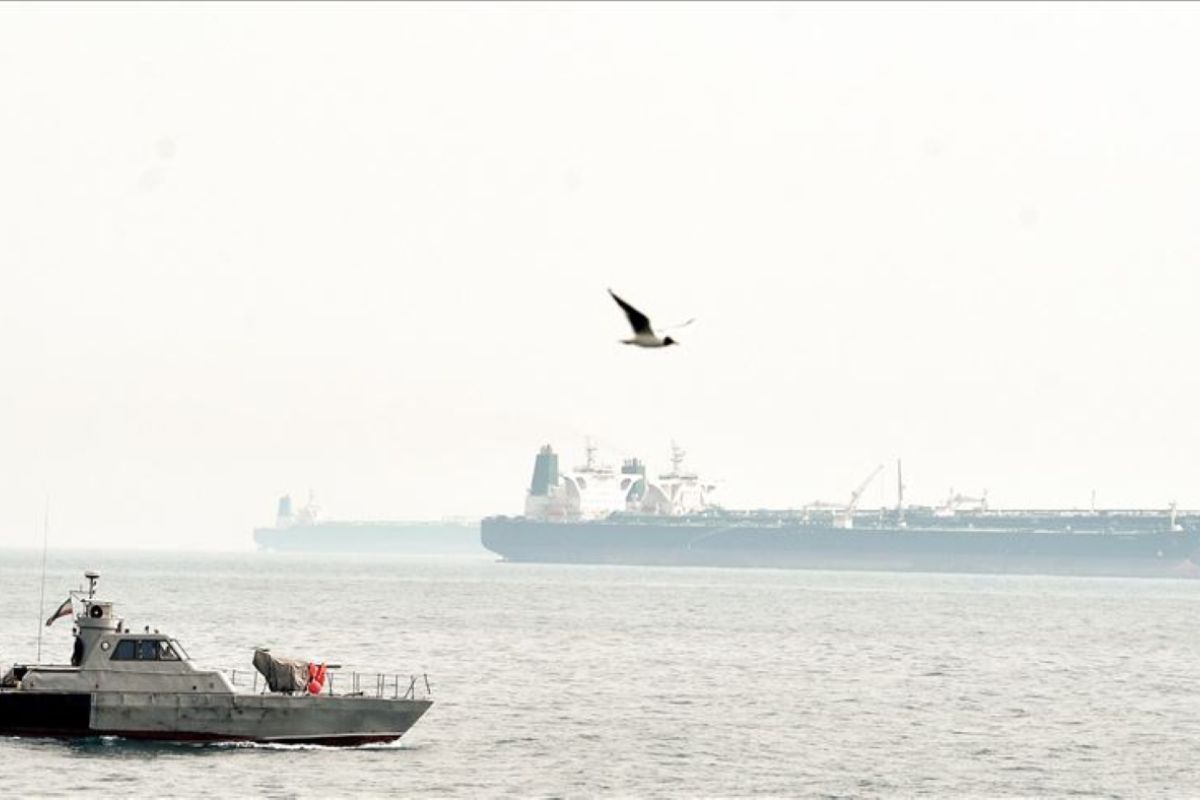
According to Defiyan, the conflict between Iran, the United States, and Israel clearly disrupts global energy distribution routes, particularly the Strait of Hormuz, which is one of the world’s main oil shipping lanes. Disruptions in that route are seen as having a direct impact on Indonesia’s energy supply.
“Indonesia’s dependence on oil and gas imports makes us vulnerable to global supply disruptions, especially if the Gulf region conflict escalates further,” he said.
In addition to supply risks, the conflict also has the potential to drive a surge in global oil prices, which ultimately burdens the State Revenue and Expenditure Budget (APBN), particularly through energy subsidies.
Data shows a trend of rising energy subsidies in recent years. In 2020, subsidies were recorded at Rp95.7 trillion, increasing to Rp131.5 trillion in 2021, then Rp157.6 trillion in 2022, and Rp159.6 trillion in 2023.
In 2024, the energy subsidy allocation reached Rp203.4 trillion, with Rp114 trillion of that for fuel and 3 kg LPG subsidies. That figure rose again in 2025 to Rp394.3 trillion, including Rp204.3 trillion for fuel and LPG subsidies.
Meanwhile, in the 2026 Draft State Budget (RAPBN), the government has allocated energy subsidies of Rp210.06 trillion, with Rp105.4 trillion allocated for fuel and LPG.
Looking at this trend, Defiyan believes the government needs to evaluate the size of fossil fuel-based energy subsidies. He encourages redirecting part of the budget to strengthen electrification programmes, such as electric stoves and electric vehicles.
This step is seen not only as reducing import dependence but also strengthening national energy resilience amid global uncertainties.
Government Commitments and Policy Direction
Previously, Prabowo Subianto has expressed commitment to accelerating the transition to new and renewable energy through a national electrification programme.
That programme includes building Solar Power Plants (PLTS) with a capacity of 100 gigawatts, increasing the electrification ratio in remote areas, and developing the electric vehicle ecosystem.
However, Defiyan emphasises that electrification policies need to be accompanied by subsidy reforms so as not to merely become short-term responses to geopolitical dynamics. He also suggests the government expand electrification incentives, especially for low-income communities, so that the energy transition can proceed more quickly and equitably.
In addition, pilot projects in various regions and public education are seen as important to increase public acceptance of electricity use as the main alternative.
“Electrification must be driven systematically, not just as a crisis response, but as a long-term strategy for national energy resilience,” he concluded.