
Middle East Conflict Pressures Japanese Industry Performance in March 2026
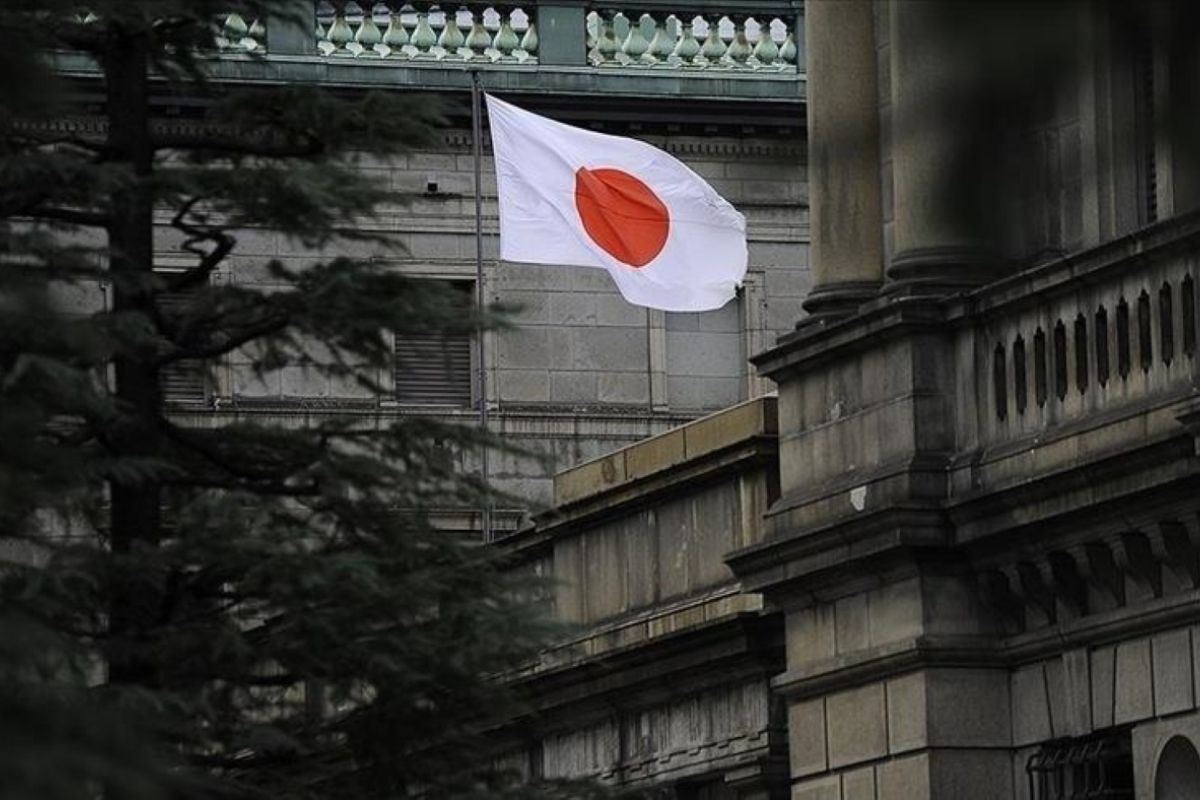
Tokyo (ANTARA) - Japan’s industrial performance in March fell slightly by 0.5% compared to the previous month, pressured by the conflict in the Middle East which affected chemical production due to disruptions in raw material imports, according to government data released on Thursday (30/4).
This decline occurred after the revision of February’s drop to 2.0%. The Ministry of Economy, Trade and Industry maintained its basic assessment of industrial production, stating that conditions are “fluctuating without a clear direction.”
Naphtha supplies, a vital material for producing chemicals widely used in manufactured products such as plastics and essential medical equipment, were disrupted due to the effective closure of the Strait of Hormuz following the joint US and Israel attack on Iran on 28 February.
In the reporting period, the inorganic and organic chemical sectors were the largest contributors to the decline, contracting by 8.6% compared to the previous month, triggered by falls in polyethylene, synthetic rubber, and ethylene production.
One ministry official added that routine inspections at naphtha refining facilities, which caused domestic production capacity to drop by nearly 40% in March, also weakened ethylene production.
Although that sector experienced a decline, the official stated, “By utilising inventories, shipments of major petrochemical products remained unchanged from the previous year, and supply levels were maintained.”
Production of petroleum and coal products, including petrol, diesel, and naphtha, also fell by 7.7%. However, the official attributed this drop to “technical” factors related to seasonal adjustments and denied any direct impact from the Middle East crisis.
Automotive production also weakened slightly due to declining exports, in line with previous trade data showing reduced vehicle shipments to the Middle East region.
“We do not see overall industrial performance weakening after the January-March quarter average recorded an increase and manufacturing production plans indicate the index will rise in April and May,” the ministry said, adding that the Middle East situation remains uncertain and needs to be monitored.
The seasonally adjusted production index for the manufacturing and mining sectors was recorded at 101.9, with a base of 100 for the year 2020, according to the ministry’s preliminary report.
Based on a survey of producers, production performance is expected to rise by 2.1% in April and 2.2% in May.
Economists predict that April’s results will further reflect the impact of the Middle East situation, with the Strait of Hormuz still effectively closed and disruptions in crude oil, naphtha, and fertiliser supplies forcing some producers to halt order acceptances.
The Japanese government stated it can maintain stable crude oil supplies through the release of domestic reserves and alternative sources.
However, significant downward pressure on production activities is expected to continue because it is unclear when shipping routes in the strait can return to normal, according to Takeshi Minami, chief economist at Norinchukin Research Institute.
In fiscal year 2025, industrial performance fell by 0.2% from the previous year to 101.2, marking a decline for the fourth consecutive year, reflecting the impact of higher tariffs imposed by US President Donald Trump, the official said.
Source: Kyodo-OANA