
Middle East Conflict, Gas Prices, and National Industrial Competitiveness
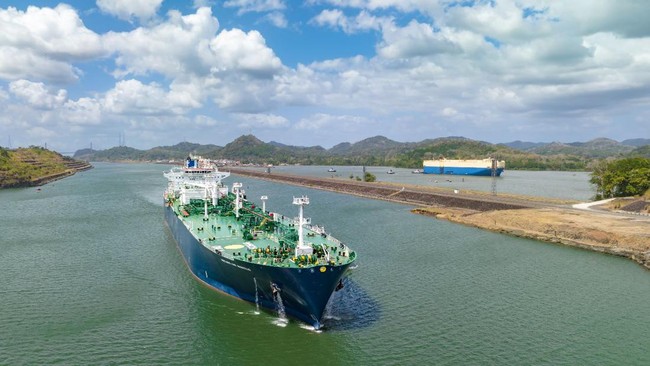
The Middle East conflict involving Iran, Israel, and the United States has placed significant pressure on the global LNG market. Disruptions at the South Pars gas facility in Iran and the Ras Laffan LNG facility in Qatar have led to a decline in export volumes, the cancellation of several cargoes, and disturbances to shipping lanes and the LNG supply chain. The Strait of Hormuz is estimated to facilitate approximately 110 billion cubic metres (bcm) of LNG per year, accounting for roughly 20 per cent of global LNG trade. During the March-April period, supply losses from Qatar and the UAE were estimated at around 20 bcm, with a potential additional loss of approximately 10 bcm due to slow operational recovery.
The Asian region has been among the most severely affected. LNG supply disruptions stemming from the Middle East conflict have suppressed Asian LNG imports to their lowest level in three years and triggered a significant spike in spot prices. The Asian benchmark LNG price, the Japan Korea Marker (JKM), recorded an increase of more than 60 per cent. At the beginning of 2026, the JKM LNG reference price was in the range of $9-11.5/MMBTU, subsequently rising to around $15-19/MMBTU—and briefly touching $22.3/MMBTU—as the conflict escalated.
In the ASEAN region, the surge in global LNG prices has had a direct impact on domestic gas prices. Data indicates that current LNG-based gas prices for industry are around $28.50/MMBTU in the Philippines and $27.81/MMBTU in Vietnam, while Singapore sees prices ranging from $40-48/MMBTU. These countries generally apply market-based pricing policies for their domestic gas. From an economic market perspective, Indonesia’s LNG-based industrial gas price appears relatively competitive compared to these nations. Following the Middle East conflict and the rise in global LNG prices, the price of non-HGBT (non-special industrial gas price) LNG-based industrial gas in Indonesia was recorded in the range of $21-25/MMBTU, up from approximately $14.9/MMBTU previously.
The spike in industrial gas prices to above $20/MMBTU, particularly for non-HGBT LNG-based industries, is fundamentally an unavoidable economic consequence when adhering to market principles. The current gas supply mix is distributed as approximately 79 per cent pipeline gas and 21 per cent from LNG regasification. An increase in LNG prices and a greater share of supply from regasification will naturally raise the average gas price. Economically, LNG-based gas is more expensive than pipeline gas due to additional cost components in its selling price. According to Minister of Energy and Mineral Resources Regulation No. 15 of 2022, these components include transportation, storage, regasification costs, and differences in upstream gas purchase prices. For domestic Indonesia, an archipelagic nation, distributing LNG from eastern Indonesian plants such as Tangguh in Papua or Bontang in Kalimantan to industrial facilities in West Java is estimated to add around $4-8/MMBTU in costs.
Based on a study by ReforMiner and other analyses, national industrial competitiveness is determined by no fewer than 15 cost competitiveness factors, of which gas price is only one component in reducing relative production input costs. National industrial competitiveness is more significantly determined by industrial strategy, market demand, and resource elements. According to 2025 data from the Central Statistics Agency (BPS), the share of fuel (including gas), lubricants, and electricity in production input costs for the industrial sector is around 6.35 per cent. The largest component in the industrial sector’s production cost structure is raw and auxiliary materials, ranging from 64.60 percent to 96.76 percent, depending on the type of industry. This data confirms that factors beyond cost competitiveness are more decisive for national industrial competitiveness. Furthermore, not all industries that have been granted the Special Natural Gas Price (HGBT) facility have a large proportion of gas costs in their production input cost structure. The share of gas costs in the production input structure for the oleochemical, rubber glove, and glass industries is approximately 3.30 per cent, 7-14 per cent, and 16 per cent, respectively.
The government has made efforts to minimise the impact of rising gas prices on national industrial competitiveness. These efforts include requesting gas suppliers to maintain prices for HGBT-recipient industries and limiting price adjustments for non-HGBT industries. However, these efforts are heavily dependent on the fiscal capacity of the state budget (APBN) and the financial capacity of gas supply business entities. Several improvement measures, for both the short and long term, can be considered. These measures include: (1) evaluating the priority scale of domestic gas allocation; (2) evaluating and reconciling HGBT allocation to ensure it is better targeted; (3) providing flexibility in gas sales contracts to industries during the period of high LNG prices, such as through relaxation of take-or-pay provisions, adjustments to gas offtake volumes, or rescheduling of gas absorption according to company operational needs; and (4) allocating a portion of state revenue from the oil and gas sector as temporary compensation to gas suppliers to cushion the impact of rising LNG prices. In the effort to maintain national industrial competitiveness, the government could consider providing direct fiscal incentives to industries, such as corporate income tax (PPh Badan) relief, deferral of regional taxes, or discounts on PLN electricity tariffs, as these instruments can be executed most rapidly.