
Middle Class Squeezed by Rupiah Weakness: Rising Spending, Stagnant Incomes
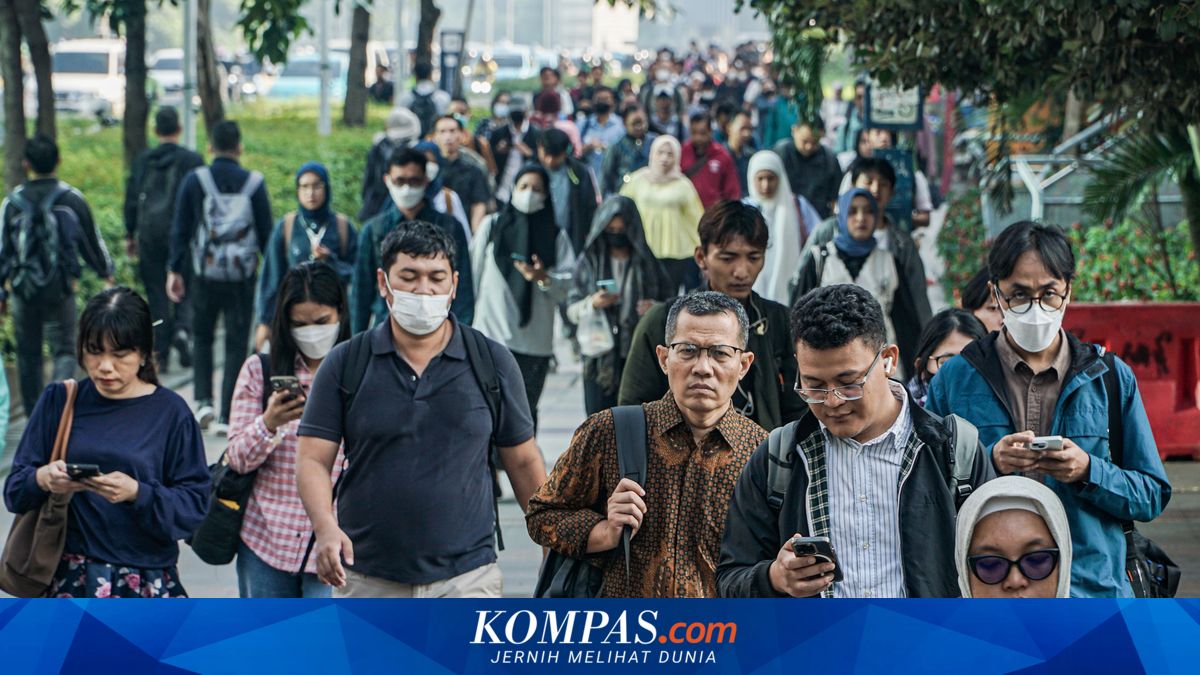
Jakarta - The weakening rupiah is not only threatening domestic stock and financial markets; the falling currency also risks eroding purchasing power, particularly among the middle class.
Spot exchange rates for the rupiah are nearing Rp17,900 per US dollar. On Friday (29 May 2026) at 12:46 WIB, the currency weakened by 39 points, or 0.22%, to Rp17,884 per dollar.
Currency and commodities analyst Ibrahim Assuaibi noted that the pressure from the rupiah’s depreciation has already been felt by the public well before the psychological threshold of Rp17,800 per dollar. Lower-income groups have been feeling the impact in their daily lives for longer.
“Yes, even before reaching Rp17,800, lower-middle and lower-income groups were already under pressure,” Assuaibi told Kompas.com.
Meanwhile, some previously upper-class citizens are also experiencing reduced purchasing power, potentially sliding into the middle class.
This situation arises as rising living costs are not matched by adequate income growth. As the rupiah weakens, prices of goods and services tend to rise, especially those linked to imports, energy, and logistics costs.
Consequently, household expenses are becoming increasingly expensive while most people’s incomes remain relatively stagnant.
“Does the depreciation lead to higher prices for basic necessities? Yes, even when the rupiah was at Rp17,500, prices had already risen,” he explained.
A key driver of current rupiah pressure is escalating geopolitical tensions in the Middle East, particularly concerning the strategic shipping route of the Strait of Hormuz.
The Strait of Hormuz is a major global oil transit route. Disruptions to this passage risk reducing global energy supplies, driving up international crude oil prices.
When energy costs rise, companies’ operational expenses increase, ultimately passed on to consumers through higher product prices.
Furthermore, Assuaibi confirmed that changes in consumer behaviour are already evident across regions. People who previously shopped at modern malls are now turning to traditional markets for more affordable prices.