
Mid-Autumn Festival unites cross-cultural longing for family
Tianjin (ANTARA) - The Mid-Autumn Festival in China has become a moment that bridges the longing for family and cross-cultural togetherness, including for Indonesian students celebrating with friends from various nations at Tianjin University.
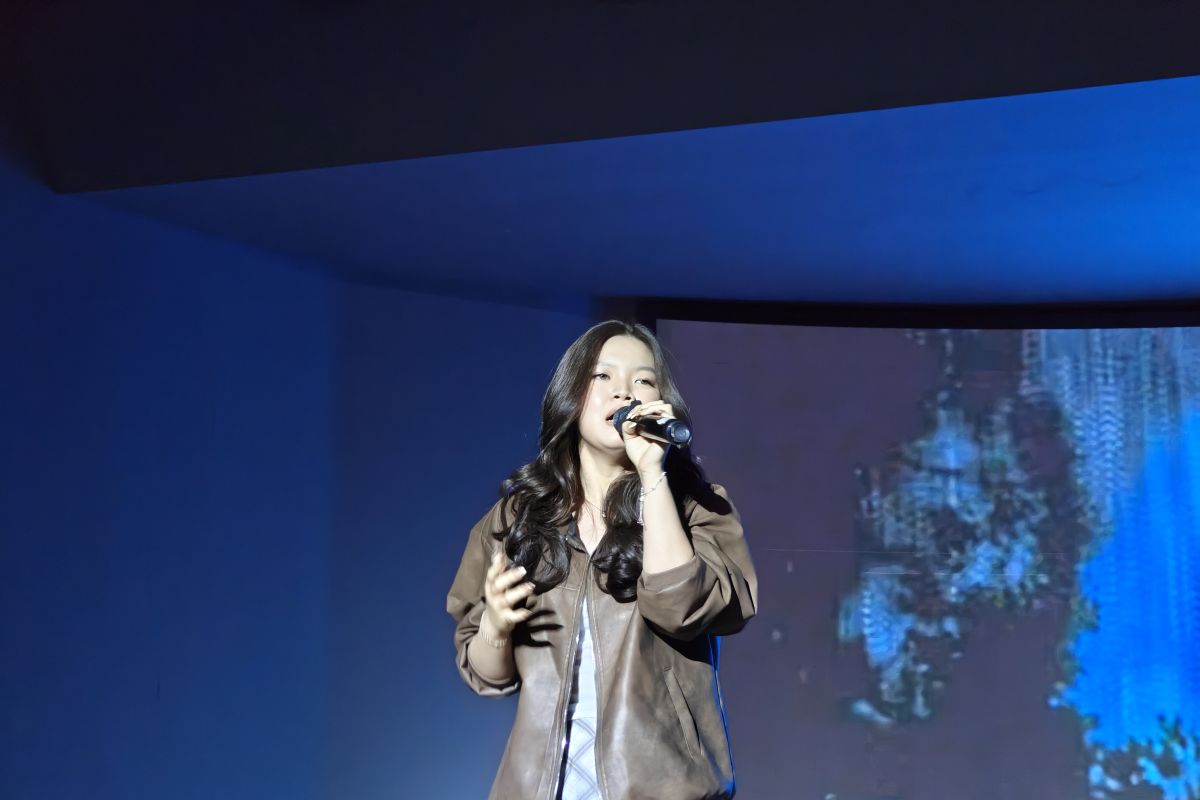
Beatrice Faustina Jesslyn, a 19-year-old Indonesian student, sang Mandarin songs alongside her international classmates during the Mid-Autumn Festival gala organised by Tianjin University. Immediately after the performance, she made a video call to her family, sharing the festive atmosphere in China by directing her camera towards the stage and the crowd.
“We come from various countries, but we sing together in Mandarin. That in itself feels truly like togetherness,” Jesslyn said, as reported by Xinhua.
Before arriving in China, her understanding of the Mid-Autumn Festival was limited to the Moon and mooncakes. However, after being invited to a friend’s home to celebrate, she gained a deeper appreciation for the festival. Her friend’s family provided a special seat for her and warmly introduced her to various types of mooncakes with different fillings.
“At that time, even though I was far from my family in Indonesia, I felt a warmth in China that felt like home,” Jesslyn remarked. “Mooncakes are not just a dessert. Their round shape symbolises family togetherness and a complete and perfect life.”
As one of the most important traditional festivals for the Chinese people, the Mid-Autumn Festival originated from ancient moon worship traditions, where people prayed for abundant harvests and peace. During the Tang Dynasty, moon worship gradually evolved into the tradition of enjoying the beauty of the moon, and by the Song Dynasty, the festival officially became a public holiday.
Jesslyn deeply felt this sense of “completeness.” “What touches me most about the Mid-Autumn Festival is how it transforms something as simple as looking at the moon into an emotional ritual performed by the whole family. No matter how far people are separated, as long as they gaze at the same moon, it feels as though they are still together.”
According to Jesslyn, the Chinese people’s affection for family and togetherness is not always expressed in words but shown through actions, such as returning home for dinner, enjoying the moon together, and calling distant relatives. “Togetherness is not merely a form or a ceremony, but a feeling of not wanting to be absent from each other’s lives,” she said.
Also performing at the gala was Timothy Joseph Hutagaol, a 25-year-old Indonesian doctoral student at Tianjin University. For this year’s Mid-Autumn Festival, he specifically visited Tianjin’s Ancient Cultural Street to view lanterns, wander through traditional areas, and taste mooncakes with peanut, custard, and sweet bean paste fillings.
“From my experience as a student in China, and after witnessing the touching side of the Mid-Autumn Festival, I understand that family togetherness reunites all members after the busyness of work, study, and daily life. The round shape of the mooncake symbolises completeness and harmony,” said Hutagael.
This reminded him of ‘mudik’, the annual Indonesian tradition of returning to one’s hometown during Eid al-Fitr. Many people working or studying far from home endure crowded intercity trains, buses, cars, or motorcycles, even spending their savings on long journeys amidst heavy traffic, all to reunite with family in their home villages.
Jesslyn also found similarities between the Mid-Autumn Festival and Eid al-Fitr in Indonesia. During Eid al-Fitr, people return to their hometowns to gather, seek forgiveness, exchange greetings and prayers, and eat together. Meanwhile, the Mid-Autumn Festival expresses longing through the Moon, mooncakes, and the hope for togetherness.
“Both emphasise returning home, togetherness, family bonds, and caring for one another. Across various cultures, human affection for home and family is fundamentally the same,” Jesslyn said.
This is why the Mid-Autumn Festival can transcend cultural boundaries. Wang noted that while China has Chang’e, Greece has Selene, India has the Moon God Soma, and Japan has Kaguya-hime. The Mid-Autumn Festival uses the Moon as a medium to find a language understood by all humanity.
“Longing for loved ones, desiring togetherness, being grateful for the harvest, and yearning for peace are not sentiments exclusive to the Chinese people, but are among the deepest and most precious human emotions. The Mid-Autumn Festival serves as a vessel for these emotions,” Wang stated.
Wang added that more and more people from various backgrounds will taste mooncakes, observe the phases of the Moon, and listen to the legend of the Moon Goddess Chang’e flying to the Moon as an expression of longing and the hope for togetherness.
“Missing family, valuing family bonds, and hoping to reunite—these emotions do not belong to any single nation, but are felt by all humanity. No matter where people come from, they will miss family members who are far away and desire to be loved, remembered, and reunited,” Jesslyn concluded.
Source: jawawa.id (https://jawawa.id/newsitem/mid-autumn-festival-unites-cross-cultural-longing-for-family-1790535122)
Originally published by Antara (Indonesian) (https://www.antaranews.com/berita/5760965/festival-pertengahan-musim-gugur-satukan-kerinduan-keluarga-lintas-budaya), translated from Indonesian