
Microsoft Prepares Project Solara, a Device Platform Managed by AI Agents
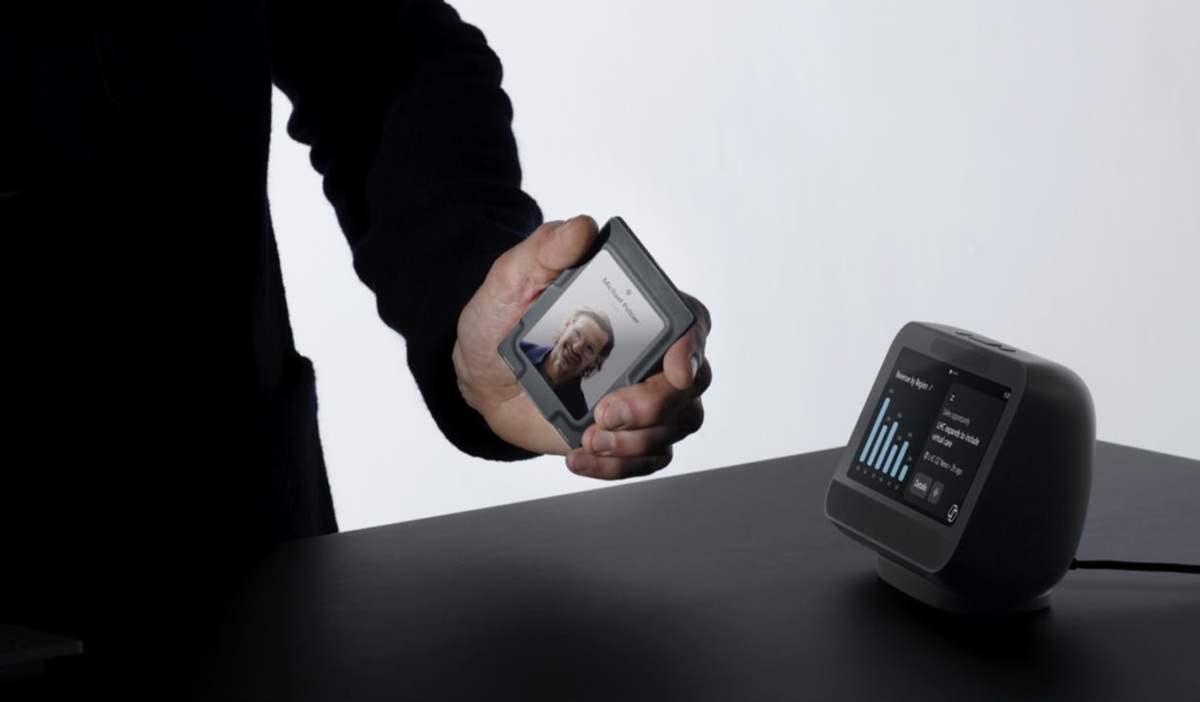
Microsoft has officially introduced Project Solara, a platform specifically designed for AI agent-based devices rather than conventional applications. Unlike Microsoft’s typical platforms, Solara is built using the Android Enterprise (MDEP) operating system, allowing it to run on smaller, power-efficient devices while maintaining high-level security systems for corporations.
In this project, Microsoft showcased two initial reference device designs:
Smart Desk Hub: Positioned alongside a PC to respond to voice commands, perform facial authentication, and display Microsoft 365 agendas. When connected to a monitor, this device can transform into a full cloud-based Windows machine.
Portable Smart Badge: Functions like a modern employee ID card, equipped with a fingerprint button, one-touch transcription features, 5G connectivity, a touchscreen, and a built-in camera, allowing AI agents to respond to what the user sees.
Microsoft emphasised that it will not sell this hardware directly. These reference designs are prepared so that manufacturers and industry partners can adopt them according to specific needs. For instance, the smart badge could be configured for the healthcare industry to scan patient QR codes, record visits, and process prescriptions. Additionally, the battery life for these specialised devices is claimed to last up to one week on a single charge.
Project Solara is also designed with high flexibility, ensuring no single AI agent dominates. Users are free to choose their preferred AI agent, whether it be Microsoft 3-65 Copilot or third-party AI. Microsoft also plans to develop a task management system to direct the most relevant AI agents. Furthermore, the interface utilises instantaneous responsive technology that can automatically adjust displays or generate new visuals in real-time as needed.
Microsoft has partnered with Qualcomm and MediaTek as its first chip partners, utilising existing standard market components to keep production costs low and development rapid. Several major companies, including AccuWeather, Best Buy, CVS Health, Levi’s, and Target, are scheduled to begin testing devices based on the Solara reference designs within the coming months.