
Microlearning Becomes Key to Developing Future Digital Skills
JAKARTA - The development of digital technology is driving major changes in how people learn and develop skills. Amid the evolving needs of industry, microlearning is considered one of the most effective approaches for supporting mastery of future skills.
Microlearning is a learning method that presents material in short, focused formats. Content may take the form of short videos, infographics, interactive quizzes or concise articles that can be accessed anytime and anywhere.
This approach is regarded as relevant for students and professionals alike who require flexible learning without disrupting their main activities. With shorter learning durations, users can acquire new skills gradually and continuously.
As the digital industry develops, demand for future skills continues to grow. These skills encompass not only technical capabilities such as coding, data analytics and artificial intelligence (AI), but also non-technical abilities including critical thinking, problem-solving, communication and adaptability.
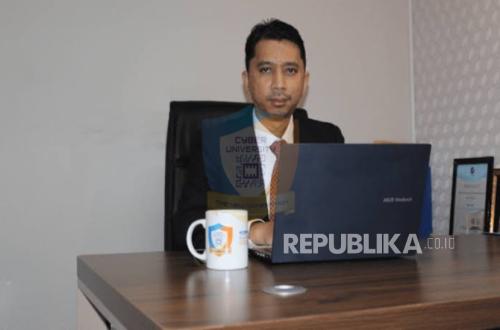
Dicky Haryanto, Head of the Information Technology Study Programme at Cyber University, said mastery of future skills is an essential need for young generations entering the digital workforce.
“Technological change is happening very quickly. Therefore, students need to cultivate continuous learning habits so they can keep pace with industry developments. Microlearning is one of the most effective methods because it enables a more flexible, focused learning process tailored to individual needs,” Dicky said on Sunday (19/7/2026).
According to him, short-module-based learning also helps students master new competencies more efficiently. This allows skill development to take place consistently without having to wait for long-term training programmes.
“Future skills are not only about technical abilities such as AI or data analysis, but also critical thinking, communication and adaptability. The combination of both is the primary provision for facing the challenges of the future world of work,” he said.
Nevertheless, implementing microlearning still faces a number of challenges, ranging from maintaining content quality and ensuring learning consistency to measuring the effectiveness of self-directed learning.
For this reason, Dicky believes microlearning materials need to be designed appropriately so they remain relevant, engaging and capable of delivering real impact on users’ competency development.
In line with developments in digital learning and industry needs, Cyber University, as a shaper of digital future leaders, continues to develop student competencies through its Information Technology Study Programme. The programme focuses on mastering information systems, data analytics, artificial intelligence and digital technology management.
Through a project-based curriculum and practical approaches integrated with industry needs, students are encouraged to gain learning experiences that are more applicable and relevant to the world of work. Cyber University also offers a Company Learning Programme (CLP) 3+1, in which students study for only three years and spend one year on an industrial internship.
“Our goal is to produce digital talent that not only masters technology but is also capable of innovating and adapting to global change. Mastery of future skills must become part of the continuous learning process,” Dicky said.
Going forward, microlearning is expected to be applied increasingly in digital education and training. Support from technologies such as artificial intelligence and data analytics also opens opportunities for more personalised, adaptive and effective learning processes in preparing human resources ready to face the era of digital transformation.