
MGBKI: Doctors' Internship Should Not Be a Mechanism for Providing Cheap Labour
Jakarta (ANTARA) - The Indonesian Council of Medical Professors (MGBKI) has emphasised the importance of restoring the internship or magang duties of young doctors as a professional education process, rather than a mechanism for providing cheap labour.
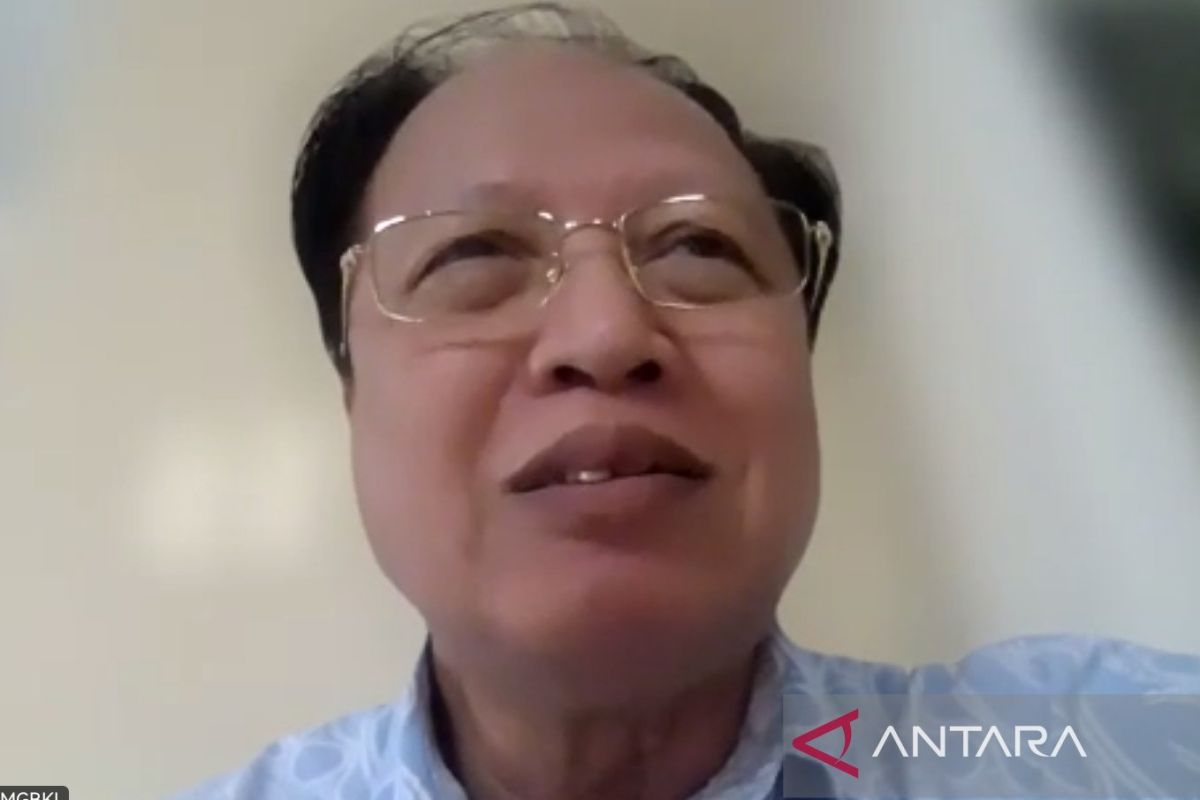
“The internship duties of young doctors must be restored as a professional education process, not a mechanism for providing cheap labour. Input standards must be strict if we are talking about quality. The process must be humane and the evaluation must be honest,” said MGBKI Chairman Budi Iman Santoso during an online press conference attended in Jakarta on Sunday.
Budi conveyed this in response to the case of the death of intern doctor Myta Aprilia Azmy while receiving treatment at Muhammad Hoesin Hospital (RSMH) in Palembang, South Sumatra. Previously, Dr Myta was assigned to the internship programme at K.H. Daud Arif Hospital in Kuala Tungkal, Jambi, and was suspected of experiencing workplace exploitation.
“If those three things (input standards, internship process, and evaluation) are not fulfilled, then similar incidents have a high potential to recur,” he said.
MGBKI has provided five policy recommendations to the government, the Indonesian Medical Council (KKI), and all relevant parties regarding the death of the intern doctor. The first is to form an independent audit team involving academic elements, professional ethics, patient safety, hospital management, and representatives of education participants.
Second, to impose a temporary moratorium on educational venues proven not to meet supervision and occupational safety standards until system improvements are made. Third, to develop national standards for workload and duty hours for intern doctors so as not to become practices that endanger the physical or mental health of education participants.
“Fourth, to require every educational venue to have an active supervising doctor, a 24-hour clinical escalation system, an early warning system for ill education participants, an anonymous reporting channel, and protection for whistleblowers,” said Budi.
He continued, the fifth is to conduct a national evaluation of all internship and clinical education venues, especially those with high service loads, limited human resources, and a history of complaints of illness from education participants.