
METI Promotes Implementation of Energy Transition and Green Economy in Indonesia
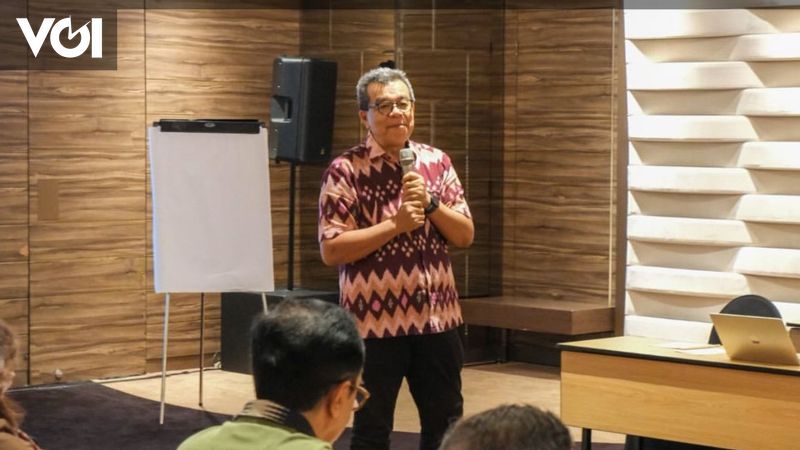
METI Promotes Implementation of Energy Transition and Green Economy in Indonesia
JAKARTA - Energy transition is an Indonesian strategic agenda to strengthen energy resilience and encourage sustainable development. However, the achievement of renewable energy mix is still in the range of 13-14 percent, lagging behind the national target of 23 percent, so it requires a more concrete policy acceleration.
The Secretary General of the Indonesian Renewable Energy Society (METI), Paul Butarbutar, assessed that clarity of regulations is a key factor in determining the direction of energy policy and long-term investment interest.
“The main challenges of the current energy transition are still dominated by fossil energy above 80 percent, the limitations of fiscal incentives, as well as price schemes and projects that are not yet competitive. On the other hand, the investment needs to support the energy transition are estimated to reach hundreds of billions of US dollars by 2060, so that regulatory certainty is a key prerequisite,” said Paul, in a Focus Group Discussion (FGD) which discussed the Power Purchase Agreement (PPA) scheme or Electricity Purchase Agreement (PJBL).
According to Paul, without accelerating the enactment of the EBET Law, the target of 23 percent renewable energy mix is difficult to achieve.
“Through this forum, METI encourages the reform of the PPA/PJBL structure to be more bankable and transparent, as well as strengthening cross-sector collaboration between the government, PLN, business actors, and financial institutions,” he explained.
During the discussion, Paul conveyed that his party continues to play a role as a strategic partner of the government in accelerating the implementation of the transition to green energy and the economy in Indonesia.