
Methane Gas Builds Up in Clothing and Sofa of Fia's House After 39 Fires
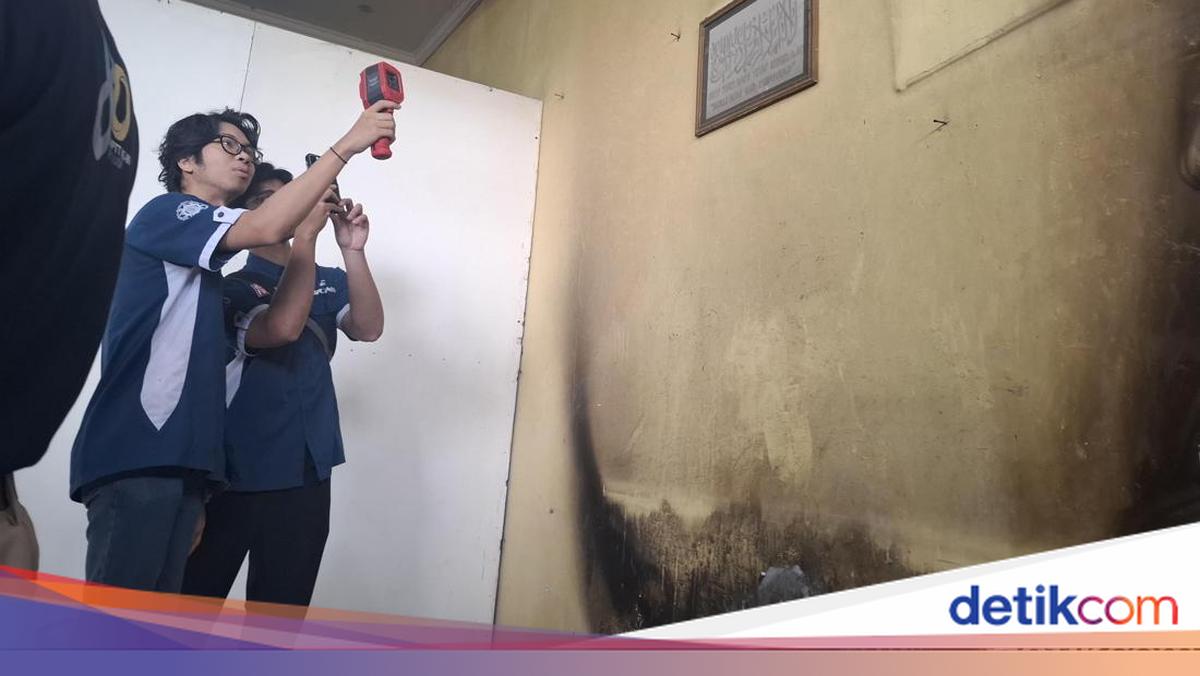
Repeated fires at Fia’s house in Seyegan, Sleman, are suspected to be linked to methane gas. This suspicion was strengthened after measurements by UGM geology team and police showed elevated methane levels at the fire sites. ‘The police have already measured gas levels. The police equipment detected elevated methane at the fire outlets. This is the strongest evidence so far that the fires are linked to methane emissions,’ said Dr. Sarju Winardi, a lecturer and assistant professor at UGM’s Geological Engineering Department, during an interview at Fia’s house on Saturday, 30 May 2026. Sarju said UGM’s geology team also conducted temperature measurements using thermal cameras, revealing that fire hotspots were in relatively higher temperature areas. ‘We measured temperatures today with thermal cameras. The fires emerged from areas with slightly higher temperatures, which is normal as heat rises during combustion,’ he added. To confirm the cause, the team plans to re-measure methane levels next week and test water samples from the site, as fires previously occurred near water pipes and wells. ‘We will bring equipment next week to measure gas levels and test water samples, as gas emissions previously coincided with water pipes and wells producing flames, so we will check if the water is methane-contaminated,’ he explained. Theoretically, methane-contaminated water does not ignite while underground. Fires occur when the water surfaces and methane is released into the air. ‘Ignition happens when the water surfaces and interacts with oxygen, releasing methane. It is the methane escaping from the water that causes combustion,’ he said. According to Sarju, methane gas behaves similarly to household LPG, but requires a certain concentration to ignite. ‘Methane is like a household LPG stove, but with lower heat output and requires higher concentration to ignite,’ he added. Therefore, Sarju explained that methane escaping from the ground is suspected to accumulate in porous household items such as clothing, fabrics, and sofas. ‘It sometimes takes time to build up in sofas, clothing, and fabrics before igniting once sufficient accumulation occurs,’ he said. Porous materials can store certain gas quantities. If accumulated sufficiently, they pose a fire risk, he explained. Sarju advised improving ventilation and installing fans or blowers to accelerate air exchange and prevent methane buildup in rooms. ‘We recommend enhancing room ventilation with fans or blowers to prevent methane accumulation on materials like clothing or sofas,’ he added. However, Sarju noted the risk of methane spreading to neighbouring houses is low, as it rises and disperses into the atmosphere, rapidly reducing concentration. ‘Once outdoors, it mixes with air, concentrations drop significantly, making it relatively safe. Opening ventilation reduces levels and fire risk,’ he concluded. Previously reported, repeated fires have occurred at Mutfiana’s house in Seyegan, Sleman, over the past week. Gegana teams have inspected the site, and UGM experts are investigating the mysterious fire incidents. The fires began on Saturday, 23 May, and occurred 39 times at the house by Thursday, 28 May, burning fabrics, furniture, and other flammable items. ‘There were 39 fires across 34 different points, burning furniture, clothing, mats, and other flammable materials. It’s odd that the top parts burned while the bottom didn’t,’ Mutfiana said during an interview at her home on Thursday, 28 May 2026. Mutfiana reported the incident to police, who deployed Gegana teams. They concluded a septic tank leak was releasing flammable methane gas. Mutfiana promptly repaired the septic tank, but fires continued to occur unexpectedly. ‘We followed Gegana’s advice. Clothes were moved, but fires still happened,’ she said. She consulted police again, with Gegana stating lingering methane from the leak was causing ongoing fires. ‘Gegana said it’s just burning off residual underground gas. Methane dissipation could take weeks or months,’ she added. Mutfiana, her husband, and child are temporarily staying elsewhere at night, though the building, also used as a poultry slaughterhouse, remains guarded each evening. ‘We’re staying next door for now, not too far. We keep watch outside because if we’re not there, it could ignite within minutes,’ she said.