
MES and Menara Syariah Strengthen Collaboration for Sharia Economic Development
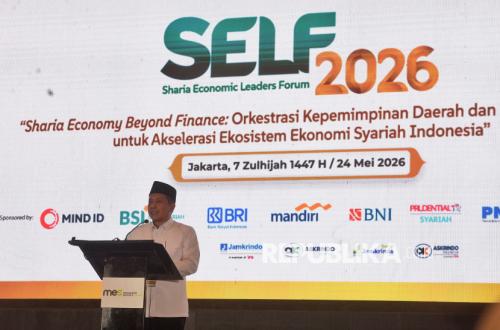
Cooperatives Minister and Daily Chairman of the Central Board of the Sharia Economic Society (MES) Ferry Juliantono has stressed the importance of strengthening the sharia economic ecosystem in Indonesia through synergy between the takaful (sharia insurance) industry, cooperatives, and international collaboration. Ferry explained that the development of the sharia ecosystem should not be based solely on economic value or transactions, but must also be measured by its impact on welfare, justice, and sustainability as the primary goals of economic development. “It is on this side that Indonesia has a strategic role in ensuring the goals of sharia economic development through the Koperasi Desa/Kelurahan Merah Putih (KDKMP) programme,” Ferry said during a symposium themed ‘Reimagining Takaful for a Sustainable World’ held by Menara Syariah and Universiti Utara Malaysia (UUM) at Menara Syariah PIK 2 on Monday (22/6/2026). Ferry stated that cooperatives can be involved in developing the takaful industry, as Indonesia possesses a large people-based economic foundation, extensive community networks, and a cooperative movement that has grown down to the village level. The event also saw the signing of a Memorandum of Understanding between Menara Syariah and UUM, as well as between Menara Syariah and MES. The cooperation relates to synergy and collaboration in developing the sharia financial industry and takaful ecosystem in Indonesia and Malaysia, while also positioning Menara Syariah as a primary symbol of sharia economic development in Indonesia. Ferry added that the current consumption value of the global Muslim community in sharia economic sectors exceeds two trillion US dollars per year and is projected to continue growing in the coming years. This demonstrates that the sharia economy is no longer just a market segment, but has become a significant force in the global economy. With the potential of the world’s largest Muslim population, reaching around 240 million people, Ferry said Indonesia has a great opportunity to ensure the sharia financial industry ecosystem, particularly takaful, can develop rapidly. Moreover, the existence of KDKMP can serve as an instrument to implement sharia economic development programmes down to the villages. “The values that form the foundation of cooperatives—mutual cooperation, togetherness, justice, and shared prosperity—have a very strong alignment with the principles of sharia economics,” he said. In this context, the takaful industry is seen as having a vital role. Takaful is not merely a financial product, but a manifestation of the value of ta’awun, or mutual assistance. “The success of takaful must be measured by the extent to which it can deliver prosperity, strengthen social resilience, and provide tangible impact for the community,” Ferry asserted. As Daily Chairman of MES, Ferry is optimistic that Indonesia’s sharia economy will continue to grow, not only as a consumer but also as a producer, innovator, and global growth centre. “Therefore, we seek support from the sharia economic movement and relevant stakeholders so that this effort can drive change towards greater prosperity for communities in villages,” Ferry said.