
Merauke Immigration Deport 18 Rugby Players from Papua New Guinea
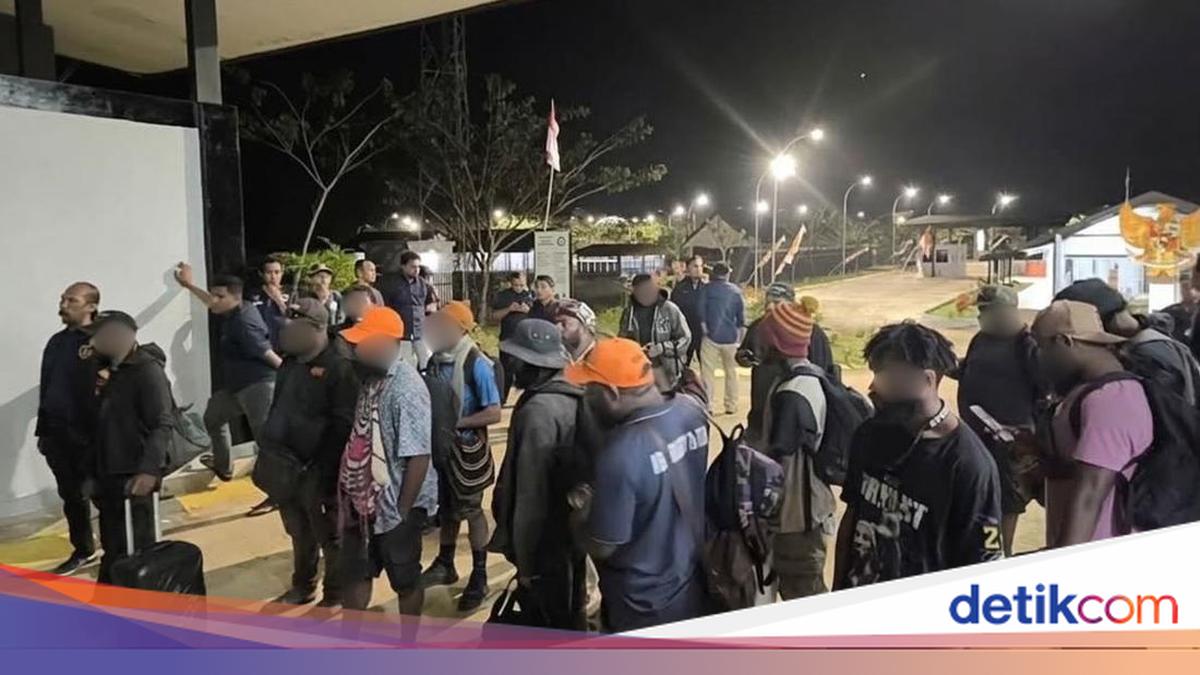
The Merauke Immigration Office has deported 18 citizens of Papua New Guinea (PNG). The group, members of the ABIP Rugby Seven Football Tabubil team, were forced to return home after misusing Border Crossing Cards, also known as ‘Yellow Cards’, to travel to Jayapura for a competition.
The Head of the Merauke Immigration Office, Zulhamsyah, emphasised that the Border Crossing Card is only valid for border residents for purposes such as purchasing basic necessities or visiting relatives. The card cannot be used for travel as far as Jayapura, let alone for participating in sports tournaments.
“We have communicated that the Yellow Card cannot be used for travel to Jayapura. For activities there, they should use official passports and pass through the Skouw Integrated Border Post (PLBN),” said Zulhamsyah in a statement on Friday (11/9/2026).
He explained that the Border Crossing Card is a document used by communities in the Indonesia-Papua New Guinea border area for specific purposes within the border region, such as shopping or visiting family; therefore, using it to travel to Jayapura is inconsistent with its intended purpose.
The case came to light on 19 August 2026, when Merauke Immigration officers received information from Boven Digoel Police personnel at Tanah Merah Airport regarding the arrival of the ABIP Rugby Seven Football Tabubil team from Jayapura.
Officers subsequently conducted an investigation and coordinated with the Boven Digoel Police Intelligence Unit to verify their status and travel documents. Based on coordination with officers at the Skouw PLBN, no records of the 18 individuals crossing the border were found, either manually or through the immigration system.
During the inspection, officers also discovered Border Crossing Card copies previously sent by the ABIP Rugby Tabubil team to the Yetetkun Border Post. Of the 15 copies found, the data matched the list of the 18 individuals detained.
Subsequently, the Immigration Intelligence and Enforcement Team (Inteldakim) of the Merauke Immigration Office coordinated with the Boven Digoel Police and Yonif TP 803/KYK to transport the 18 PNG nationals to the Merauke Immigration Office. They arrived on 21 August 2026 to be interrogated regarding their documents and purpose of stay in Indonesia.
Immigration officers at the Yetetkun PLBN discovered that while two PNG nationals had crossed manually, the remaining 16 were not recorded at all. Meanwhile, the PNG Consulate General confirmed that the 18 individuals were indeed their citizens.
Following the completion of the immigration investigation and processing, the 18 PNG nationals were deported from Indonesian territory on Saturday, 5 September 2026, via the Yetetkun PLBN using land transportation.
Zulhamsyah asserted that this action aligns with the directives of the Director General of Immigration, Hendarsam Marantoko. According to these directives, immigration supervision is part of the ‘Immigration for the People’ implementation, carried out professionally and in accordance with laws to maintain national sovereignty, protect public interests, and ensure all foreign activities in Indonesia are orderly and compliant with regulations.
“We respect sporting activities and community relations in the border region, but every foreigner must still use travel documents and permits appropriate to their purpose of entry. This supervision is conducted to ensure foreign activities remain orderly while safeguarding national security and interests,” said Zulhamsyah.
Source: jawawa.id (https://jawawa.id/newsitem/merauke-immigration-deport-18-rugby-players-from-papua-new-guinea-1789121522)
Originally published by detikcom (https://news.detik.com/berita/d-8658664/imigrasi-merauke-deportasi-18-pemain-rugbi-asal-papua-nugini), translated from Indonesian