
Meratus Geopark Explores Educational and Conservation Tourism at Batu Hapu Cave
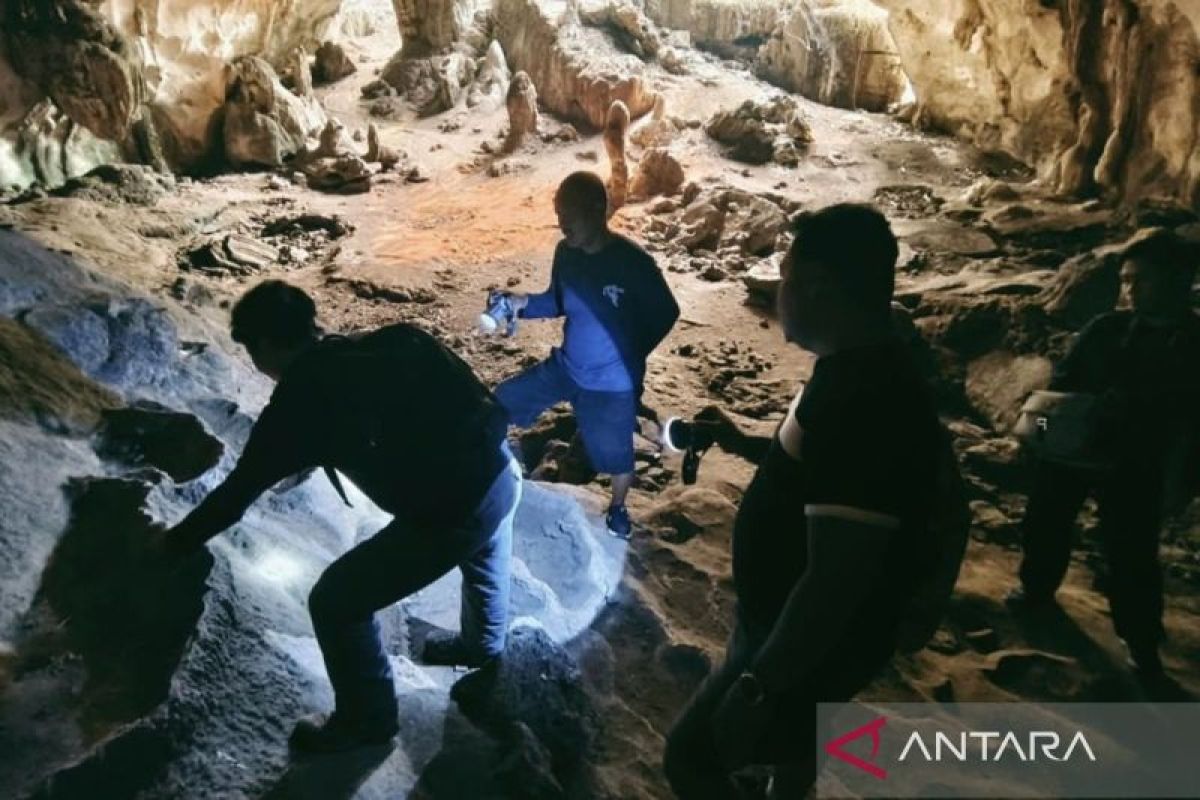
Banjarmasin (ANTARA) – The management body of the Meratus UNESCO Global Geopark is exploring the development of educational and conservation tourism at Batu Hapu Cave in Tapin Regency. The plan highlights the cave’s distinctive wildlife and natural formations as attractions and as a way to explain the importance of protecting cave ecosystems.
Ramadhan Jayusman, head of education, research and conservation at the Meratus UNESCO Global Geopark management body, said in Banjarmasin on Friday that a follow-up exploration had found an Orthriophis taeniurus grabowskyi snake, known for its bright yellow to golden colouring, preying on a Taphozous longimanus bat. The sighting showed the natural interactions between animals in the cave ecosystem.
“The presence of these animals could become an attraction for special-interest tourism, particularly for reptile and herpetofauna enthusiasts who want to learn about the biodiversity of South Kalimantan,” he said.
He said special-interest tourism did not always depend on large-scale attractions: distinctive wildlife, an intact habitat and natural phenomena could encourage visitors to learn more about an area’s characteristics.
In addition to recording the snake preying on a bat, the team identified a natural cave formation resembling an elephant. This adds to earlier findings of three bat species living inside Batu Hapu Cave.
Ramadhan stressed that tourism development must include site staff accompanying visitors into the cave and measures to prevent vandalism, which could damage natural formations and disturb wildlife.
He said cave formations take a very long time to develop naturally, making damage caused by human activity difficult to repair. Visitors can appreciate their beauty by observing and documenting them without touching or damaging the formations or disturbing the animals.
M. Aditya Rathomy, a geologist with the Meratus Geopark management body, said the cave’s relatively well-preserved condition allowed various animals and natural formations to survive, giving the area potential to become a destination for education and nature conservation.
He explained that the elephant-like formation could be introduced through the suiseki approach: appreciating the beauty of natural forms without altering their original shape. This would allow visitors to enjoy the distinctive geological feature while understanding the importance of preserving the cave.
On promotion, M. Fredly Andri, a member of the management body’s promotion and marketing division, said the cave’s accessibility, distinctive wildlife and natural formations could help establish Batu Hapu as a destination offering both a tourism experience and knowledge about animal life and natural processes.
Iwan Fitriady, head of the South Kalimantan Provincial Tourism Office and executive chair of the Meratus UNESCO Global Geopark management body, welcomed the exploration findings. He said they should be followed up with a carefully planned destination-development study that takes account of visitor safety, environmental conservation, site conditions and benefits for surrounding communities.
Hendri Hidayat and Subianto, representatives of the Batu Hapu Cave site managers, said they hoped promoting the cave’s potential would increase visitor numbers and create economic opportunities for local people through local guiding services, sales of local products and other supporting businesses, while preserving the site’s authenticity.
The Meratus Geopark management body hopes that planned development will make Batu Hapu Cave a destination combining biodiversity, geological features, education and conservation, while creating local economic opportunities without compromising the environment.
Source: jawawa.id (https://jawawa.id/newsitem/meratus-geopark-explores-educational-and-conservation-tourism-at-batu-hapu-cave-1792767142)
Originally published by Antara (Indonesian) (https://www.antaranews.com/berita/5808207/geopark-meratus-jajaki-wisata-edukasi-dan-konservasi-di-gua-batu-hapu), translated from Indonesian