
Merapi Jeep Tour Tariffs Rise Following Fuel Price Hike
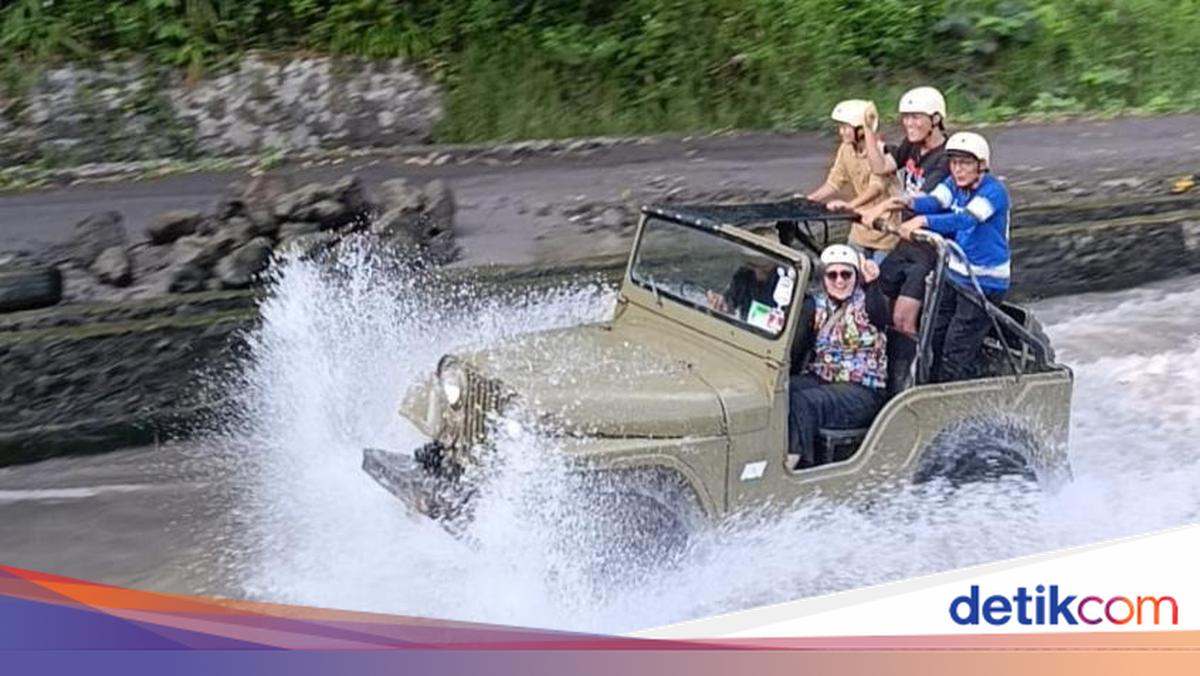
The increase in fuel prices has impacted Lava Tour Merapi tariffs in Sleman Regency, Special Region of Yogyakarta. Tour operators have raised Jeep package rates by an average of around Rp 50,000 per unit to cover the surge in operational costs.
KAS (Kaliurang Amazing Story) operator Aprin Triana said the Lava Tour Merapi package tariff, previously around Rp 400,000 per Jeep, has now risen to between Rp 450,000 and Rp 500,000. “Lava Tour Merapi packages have increased by an average of Rp 50,000. The previous rate of around Rp 400,000 per Jeep unit is now Rp 450,000 to Rp 500,000,” Aprin stated.
According to him, the tariff increase is inseparable from the soaring price of fuel used by the tour fleet. The price of Pertamax, the primary fuel for most Jeeps, rose from Rp 12,300 to Rp 16,250 per litre. Meanwhile, diesel fuel prices also increased to a range of Rp 23,000 to Rp 24,800 per litre.
“The fuel price hike greatly affects tourists’ interest in visiting Merapi. Because the Jeeps use Pertamax, operational costs automatically rise,” he said.
Despite the increased operational costs, the appeal of Merapi Jeep tourism has not entirely faded. On Monday morning (15/6/2026), two large buses with Bogor and Jakarta plates brought tourists to Merapi, not including two white medium-sized travel vehicles and dozens of private cars from various areas in West Java and East Java.
Since 2021, Juhari has worked as a driver and tour guide on Merapi. He is not only adept at handling the vehicle but also fluent in explaining the various destinations visited by tourists. One stop is at Batu Alien, a giant boulder resulting from the 2010 Merapi eruption. “Batu Alien is not from outer space. In Javanese, ‘alien’ means to move. This rock is material ejected by Merapi that moved from the crater floor to this hamlet,” Juhari explained. Some interpret the name as coming from the rock’s shape, which resembles a human face.
According to Aprin, Merapi Jeep tourism began to develop in 2012, not long after the major eruption in 2010. Initially, the vehicles were used to assist in the evacuation of affected residents. “At that time there were only two fleets and no community yet. Because many people wanted to see the areas impacted by the eruption, residents eventually started taking tourists using Jeeps,” he said.
From that simple activity, Lava Tour Merapi has grown into one of the drivers of the economy for communities on the slopes of the volcano. Currently, there are around a thousand Jeeps with operational permits in the Merapi area, spread across approximately 25 operator basecamps. However, not all operate daily as some are undergoing maintenance or repairs. KAS Adventure itself has 33 Jeep fleets, with 23 units actively operating and the rest under repair.
Despite the tariff increase, Aprin said tourist interest remains quite high. Interestingly, the busiest period is not during weekends. “Peak season is usually on weekdays and in the mornings. Weekends are busy, but tourists sometimes cannot enjoy the trip optimally because it is too crowded,” he said. For tourists, the additional Rp 50,000 fee may be barely noticeable compared to the sensation of traversing the eruption’s path in an old Jeep bouncing over volcanic sand and rocks. For operators, however, the tariff increase is a way to keep the wheels of the tourism economy turning on the slopes of Merapi amid soaring operational costs.