
Merah Putih Cooperatives Give Residents More Affordable Shopping Options
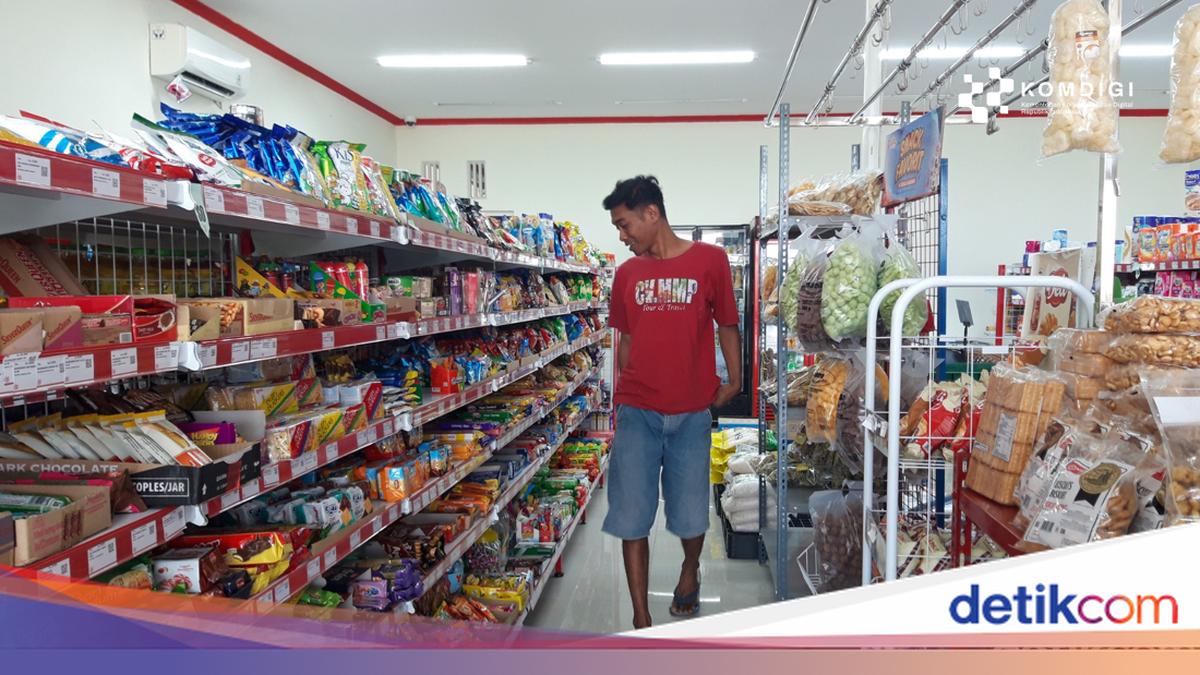
The Merah Putih Village/Urban Ward Cooperatives (KDKMP) offer residents an alternative way to meet their basic needs at affordable prices. As well as serving households, the cooperatives give micro, small and medium-sized enterprises (MSMEs) an opportunity to market their products.
These benefits can be seen at the Banjarsari KKMP in Surakarta and the Dadapsari KKMP in Semarang, Central Java. Both provide everyday goods while creating opportunities for MSMEs to market products and obtain business supplies.
Affordable staples attract shoppers
In Banjarsari, the Merah Putih Urban Ward Cooperative sells a range of basic goods, including MinyaKita cooking oil, three-kilogram LPG cylinders and SPHP rice. Indah, a customer at the Banjarsari KKMP, said she often shops there because some items are cheaper.
“I buy sugar, mineral water and MinyaKita. I shop here often because the prices are cheaper,” Indah said recently.
She said cooking oil, which typically sells for around Rp19,000 to Rp20,000, is available to KKMP members for Rp15,700.
Ayu, a customer at the Dadapsari KKMP, described a similar experience. She said its prices were helpful, including for MSME operators who need goods at prices their businesses can afford.
“The prices are cheaper, and they work for MSMEs too — they are affordable,” she said.
Dadapsari Urban Ward Head Hesti Karyani said some goods at the KKMP cost Rp1,000 to Rp1,500 less than at other shops. The difference has helped attract local shoppers.
“When people compare prices with other shops and see that some items are Rp1,000 to Rp1,500 cheaper, they choose to shop at the KKMP. This creates a good synergy: the KKMP makes a modest profit, while residents save the difference,” Hesti said.
Relatively affordable prices can also help MSMEs reduce operating costs, particularly when buying ingredients and other supplies they need regularly.
Cooperatives open up marketing opportunities for MSMEs
Alongside selling basic goods, the Dadapsari KKMP allows MSME operators to place their products in its shop. One of them is 54-year-old Dwi Yuli Wiyati, who began consigning her goods there in February 2026.
Dwi sells peanut bread and spicy pempeng. She usually leaves about 60 peanut rolls at a time, and they can sell out within a week.
“I have two kinds: peanut bread and spicy pempeng,” Dwi said.
Before placing her products at the KKMP, Dwi relied on small shops to sell them. She also buys stock for the grocery business she runs from home at the cooperative, as she considers its prices lower.
The Dadapsari KKMP shop stocks a range of other MSME products, including dumplings, cheese sticks, bread, biscuits, rempeyek crackers, wingko cakes and honey.
The urban ward administration helps promote the products to residents through local communication networks. KKMP managers are also beginning to use WhatsApp Business so prospective buyers can browse a digital product catalogue.
The Banjarsari KKMP in Surakarta is also working to extend product marketing through digital channels. While Dadapsari is beginning to use WhatsApp Business, Banjarsari is developing its approach through the MyKopkel app and the KKMP marketplace.
Banjarsari KKMP secretary Jampit Ludiro Sri Pamungkas said digital platforms were one way to strengthen ties with members and support the marketing of MSME products.
“We use digital platforms to meet the challenges of the times. The MyKopkel app serves as a means of interaction and makes the institution more transparent to members and the public,” Jampit said.
Before joining the KDKMP, MSME operators marketed their products through direct sales, their own digital platforms and exhibitions organised by local government and private-sector organisations. The KKMP has given them an additional sales channel.
“Based on information from MSMEs, their turnover has increased. Digital marketing through the app helps them reach a wider market and increases the potential for transactions,” he said.
Partnership opportunities with MSMEs are also being developed by the Cipelang KDMP in Bogor Regency, West Java. The cooperative is developing several business units, including processing plastic waste into building products and marketing village MSME goods.
Cipelang KDMP chair Rita Puspita Sari said the Merah Putih Village Cooperative was offering MSMEs the chance to market their products through the cooperative’s business network. Local products include pineapple-based goods, oncom hideung, snacks and coffee.
“That’s right. We are opening up partnership opportunities and bringing MSMEs on board. They are not only members, but also involved in the cooperative,” Rita said, as quoted by detikJabar.
The village administration also supports the Cipelang KDMP’s activities. Iwanudin, head of Cipelang Village’s development section, said the cooperative had begun several activities and was expected to deliver broader benefits as its business units developed.
“Once several outlets are ready for use and officially opened, they may help improve the welfare of Cipelang Village residents. MSMEs will be able to consign their products, and local crafts may also be taken on by the KDMP,” Iwanudin said.
The examples of Banjarsari, Dadapsari and Cipelang show how cooperatives can provide benefits ranging from access to basic goods to new sales channels for local products. Sustaining those benefits will depend on cooperative management, business development and partnerships with MSMEs.
Starting with limited capital, Dadapsari expands its business
The Dadapsari KKMP’s development is also reflected in its beginnings with limited capital. Cooperative official Broto Suyono said its initial activities involved nine people and around Rp540,000 in capital from members’ savings.
To keep membership affordable, the management set a one-off membership contribution of Rp50,000 and monthly dues of Rp10,000. At the start of operations, the KKMP sought to build up its capital by selling basic goods, especially rice. Profits were used to replenish stock and support subsequent business activities.
As the business grew, the management increased its stock and invited more residents to join. Broto said membership rose from nine to 103 by December, while the KKMP’s turnover that month exceeded Rp125 million.
“After that, more people started coming and membership grew. By December, we had 103 members, up from nine. With those contributions, people were interested, and our turnover in December was already more than Rp125 million,” he said.
Cooperative expands business and local product marketing
The Dadapsari KKMP’s growth is evident not only in its membership but also in sales of basic goods and the marketing of MSME products. Dadapsari Urban Ward Head Hesti Karyani said the cooperative began with members’ savings and continued to expand its services to meet residents’ needs.
“Turnover during the recent Eid period reached around Rp100 million. Sales of biscuits, syrup and other hamper items went smoothly as usual,” she said.
Alongside selling basic goods, the Dadapsari KKMP gives MSMEs the opportunity to market their products. Most of the goods placed there are snacks, one of the categories with relatively strong demand.
“There are people selling honey too. We hope more MSMEs will consign their products to the cooperative in future,” Hesti said.
Hesti added that products were marketed through direct sales and the communication networks of the urban ward, the Family Welfare Movement (PKK), neighbourhood associations (RTs) and community units (RWs). Managers are also being encouraged to use WhatsApp Business so residents can view a digital catalogue.
The Dadapsari KKMP also offers QRIS payments, bill payments and money transfers. It supplies business inputs at prices considered more affordable to support local entrepreneurs.
Wider internet access supports digital uptake
KDKMPs and MSMEs need adequate, affordable internet access to use digital channels to expand marketing and reach consumers.
Deputy Minister of Communication and Digital Nezar Patria stressed that equal access to digital services is not just a matter of network availability, but also service quality and affordable internet costs. He said connectivity efforts should focus on densely populated areas so people can benefit from more affordable and evenly distributed access.
For cooperatives and MSMEs, affordable internet could help businesses update product catalogues, promote goods through digital channels and communicate with customers beyond their immediate neighbourhoods.
The experiences of Banjarsari, Dadapsari and Cipelang show how KDMPs can provide a place to buy basic goods, an alternative source of business supplies and a way to market local MSME products. To sustain those benefits, cooperatives need consistent management and marketing strategies suited to residents’ needs and local businesses’ capacity.
Source: jawawa.id (https://jawawa.id/newsitem/merah-putih-cooperatives-give-residents-more-affordable-shopping-options-1793343147)
Originally published by detikcom (https://news.detik.com/berita/d-8730837/koperasi-merah-putih-hadir-warga-punya-pilihan-belanja-lebih-terjangkau), translated from Indonesian