
MER-C Operates Clinic for Rohingya Refugees in Lhokseumawe
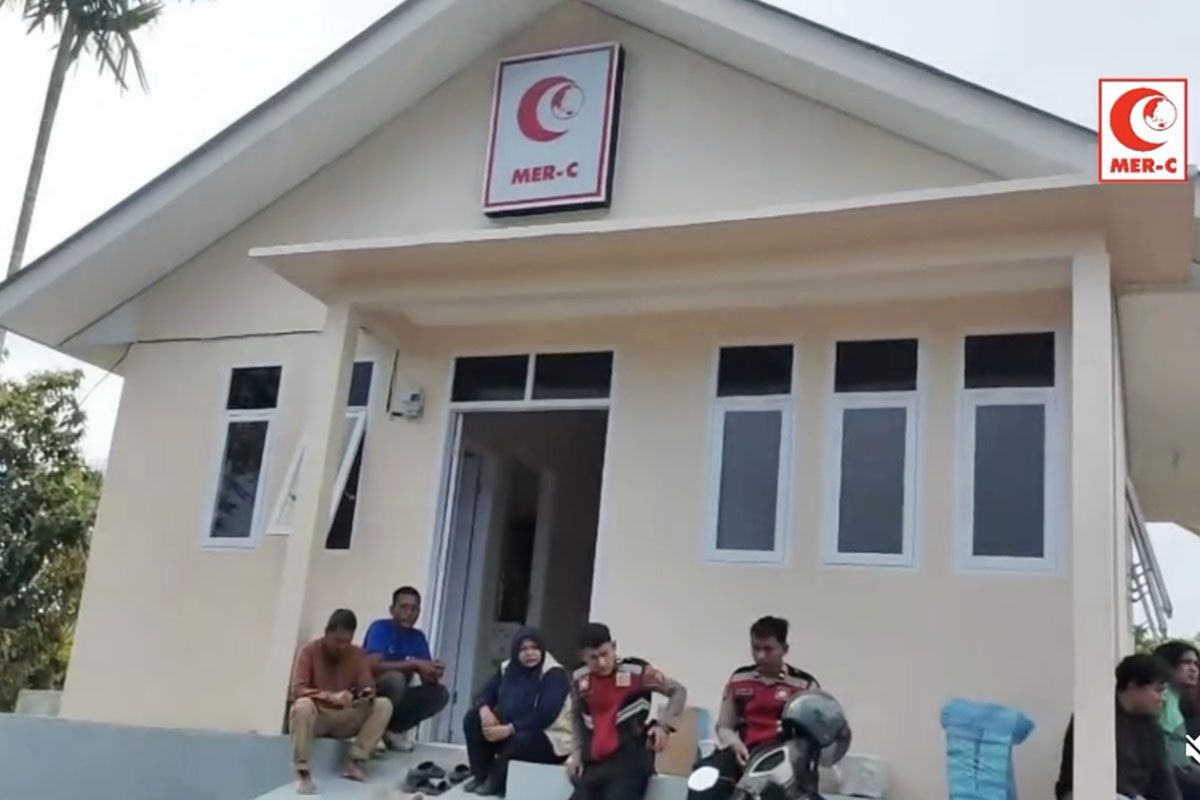
MER-C Indonesia has commenced operating health services for Rohingya refugees who have been relocated by the Lhokseumawe City Government to a new shelter in Masjid Punteuet Village, Blang Mangat District, Lhokseumawe City, Aceh. MER-C Project Manager for Rohingya Refugees, Ira Hadiati, stated that the clinic built within the shelter area is ready to provide basic health services to the refugees. “Currently, for health workers providing services at the clinic, MER-C is cooperating with the Punteuet Community Health Centre (Puskesmas),” said Ira. Ira explained that the presence of the MER-C Clinic is an important facility in efforts to improve the quality of life for the 28 refugees, particularly in meeting basic healthcare needs. MER-C, she continued, is one of the parties initiating efforts to centralise Rohingya refugees in one shelter location. This step is expected to facilitate the provision of basic services, such as education, while increasing the effectiveness of coordination with the regional government and other stakeholders. She added that the provision of health facilities at the Rohingya refugee shelter in Lhokseumawe is also a form of continuity for MER-C’s humanitarian mission. The service is presented as an alternative after the MER-C Hospital in Myanmar can no longer operate, meaning direct health services to the community in that country cannot be carried out. “We have a hospital in Myanmar that cannot function at present, so we are focusing our humanitarian mandate for the Rohingya on this camp, to make it a model shelter,” said Ira. The Lhokseumawe City Government previously relocated the 28 Rohingya refugees, consisting of 15 men and 13 women, from the old shelter at the former Punteuet Immigration Office to the new shelter on Thursday (25/6). The shelter was built through the collaboration of several humanitarian organisations to improve the quality of temporary housing for the refugees who previously lived in the former immigration office building with limited facilities. In addition to being equipped with the MER-C Clinic, the new shelter also features 15 semi-permanent housing units. Other supporting facilities include sanitation facilities (MCK), access to clean water, a place of worship, and various other support programmes.