
Menteng Atas TPS 3R Processes 32 Tonnes of Waste Daily to Ease Bantargebang Burden
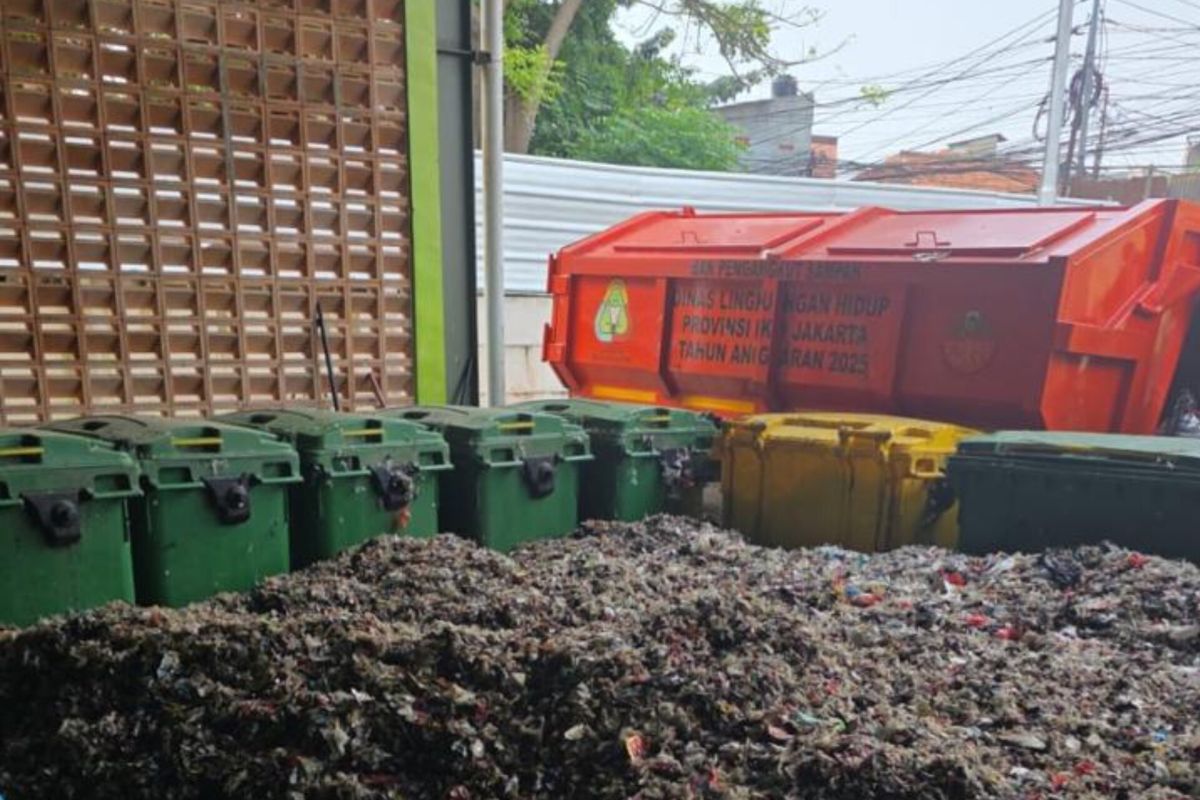
The Menteng Atas Reduce, Reuse, Recycle (TPS 3R) facility in South Jakarta can process around 32 tonnes of waste daily as part of efforts to reduce residue sent to the Bantargebang Integrated Waste Treatment Facility. The Head of Waste, Hazardous, and Toxic Waste Management for the South Jakarta Environmental Agency, Kamil Salim, stated that within an effective processing time of 7 hours and 19 minutes, 20 to 30 percent of the incoming waste can be converted into Refuse Derived Fuel (RDF), an alternative fuel source, depending on the condition and level of waste segregation. The facility’s operations are supported by 10 personnel handling reception, sorting, and processing. Kamil explained that the amount of RDF produced depends on the composition and quality of the waste received. He emphasised that processing waste at the local level is crucial to ensure it is not merely collected and transported but can be reused, thereby helping to reduce the volume of residue ending up at the Bantargebang landfill. The effectiveness of processing is heavily influenced by waste segregation at the source, whether from households, offices, or businesses. Properly sorted waste is easier to process and yields higher quality RDF. The TPS 3R utilises a machine called La MACCA, developed by PT Mario Mikron Metalindo. During the trial phase, operations were supported by personnel from PT Mitra Kurnia Indah, a waste management service provider, and supervised by technicians from PT Mario Mikron Metalindo to ensure all stages were safe, optimal, and compliant with technical procedures. The President Director of PT Mario Mikron Metalindo, Jusman Sikki, said the locally developed technology is designed to process organic and inorganic waste more effectively, expressing hope that regional governments will widely adopt the technology to convert waste into an alternative energy source with both utility and economic value.