
Mentaok: Getting to Know Jogja’s Rare Historic Tree
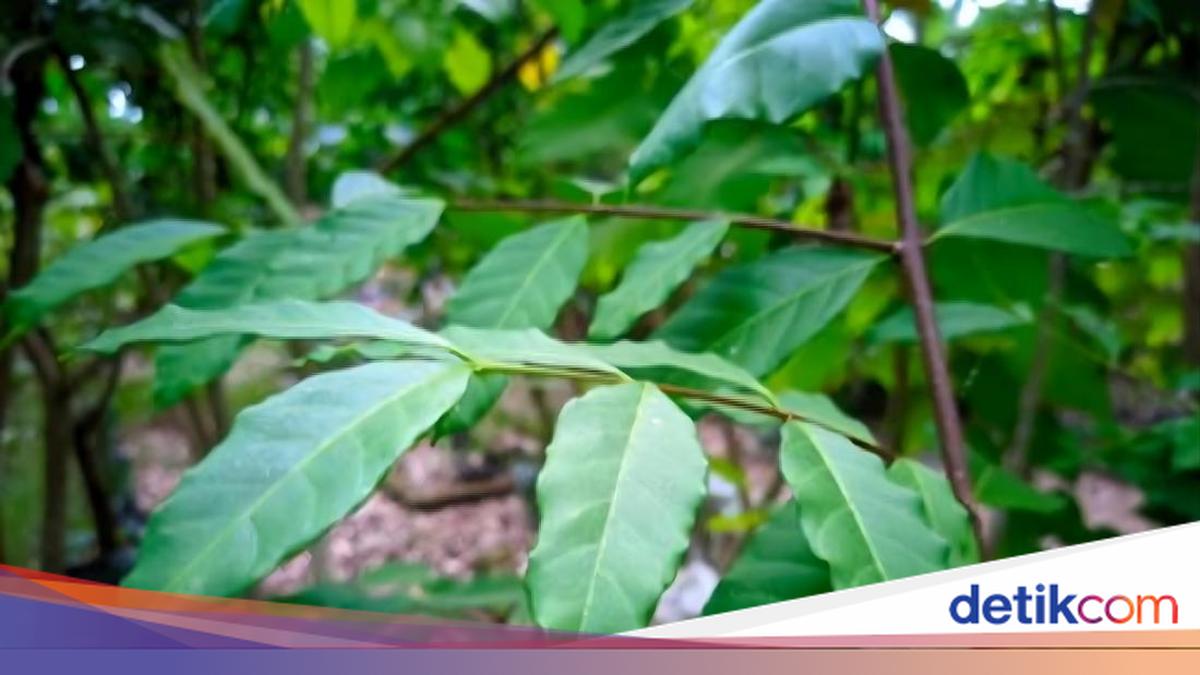
Have you heard of Alas Mentaok? It was a forest in Jogja that was cleared to establish the Mataram Kingdom. As its name suggests, it was once rich in mentaok trees.
According to the official website of the Bantul Regency Government, Alas Mentaok originally belonged to the Sultanate of Pajang, ruled by Sultan Hadiwijaya (Jaka Tingkir). The sultan granted the forest to Ki Ageng Pemanahan in recognition of his service.
Ki Ageng Pemanahan then cleared Alas Mentaok with his son, Danang Sutawijaya—later known as Panembahan Senopati—and Ki Juru Mertani. After the forest was cleared, a village was established. Over time, what began as a village grew into the Mataram Kingdom.
The Mataram Kingdom experienced ups and downs before eventually being divided into the Yogyakarta Sultanate and the Surakarta Sunanate under the Treaty of Giyanti. Unlike the kingdom, which continues to exist in successor forms, the mentaok tree has become increasingly hard to find.
It is therefore no surprise that few people know about the tree. Here is an introduction to this legendary species.
Scientific classification of the mentaok tree
According to the journal article ‘The Role of B2P2BPTH Yogyakarta in Conserving the Distinctive Species of the Special Region of Yogyakarta’, by Lukman Hakim and Yuliah, the mentaok tree’s scientific name is Wrightia javanica. Other scientific names associated with mentaok include Wrightia pubescens and Wrightia laniti.
The Global Biodiversity Information Facility (GBIF) gives the following classification for the mentaok tree:
Kingdom: Plantae
Subkingdom: Pteridobiotina
Phylum: Tracheophyta
Class: Magnoliopsida
Order: Gentianales
Family: Apocynaceae
Subfamily: Apocynoideae
Genus: Wrightia
Species: Wrightia javanica, Wrightia pubescens
The tree is known by several names in Indonesia, including mentaos, bintaos, benteli lalaki and bentawas.
Characteristics of the mentaok tree
According to a final-year project by Anis Lestari, from the University of Gadjah Mada’s Diploma in Forest Management programme, titled ‘The Distribution of Mentaok (Wrightia javanica) in Kotagede, Yogyakarta’, and the Tropical The Ferns website, the tree has the following characteristics:
An irregularly shaped crown
A monopodial trunk
A cylindrical trunk, light brown to almost blackish brown in colour
A height of up to 35 metres
A trunk diameter of up to 50 centimetres
Green leaves with smooth edges
Tapering leaf tips
Oblong-shaped leaves
Yellowish-white flowers
Flowers that grow in clusters at the ends of branches
Flowering once a year
Uses of the mentaok tree
Mentaok is known for its wood, which can be used for a range of purposes. Depending on the wood’s characteristics and available dimensions, it can be made into furniture and handicrafts, or used in construction.
Plant Resources of South East Asia reports that mentaok sap has been used to treat severe dysentery. Some sources also mention its use in treating HIV. In East Nusa Tenggara, the tree has traditionally been used to treat bruises and cleanse the blood.
As well as serving construction and medicinal purposes, mentaok can provide shade. Its height and broad, dense foliage allow it to form a canopy that offers protection from the sun.
Conservation status of the mentaok tree
A search for the tree’s scientific name on the official website of the Directorate General of Natural Resources and Ecosystem Conservation (KSDAE), under the Ministry of Forestry, on 29 October returned no results. This indicates that mentaok is not on the list of protected flora set out in Indonesian Environment and Forestry Ministerial Regulation No. P.106/MENLHK/SETJEN/KUM.1/12/2018.
Even so, its declining numbers warrant greater attention from all sectors. Planting it in suitable locations should be a priority to prevent this legendary tree from disappearing altogether.
That is a brief introduction to mentaok, Jogja’s legendary tree, whose continued existence is increasingly at risk.