
Mental health crisis hidden behind seemingly fine faces
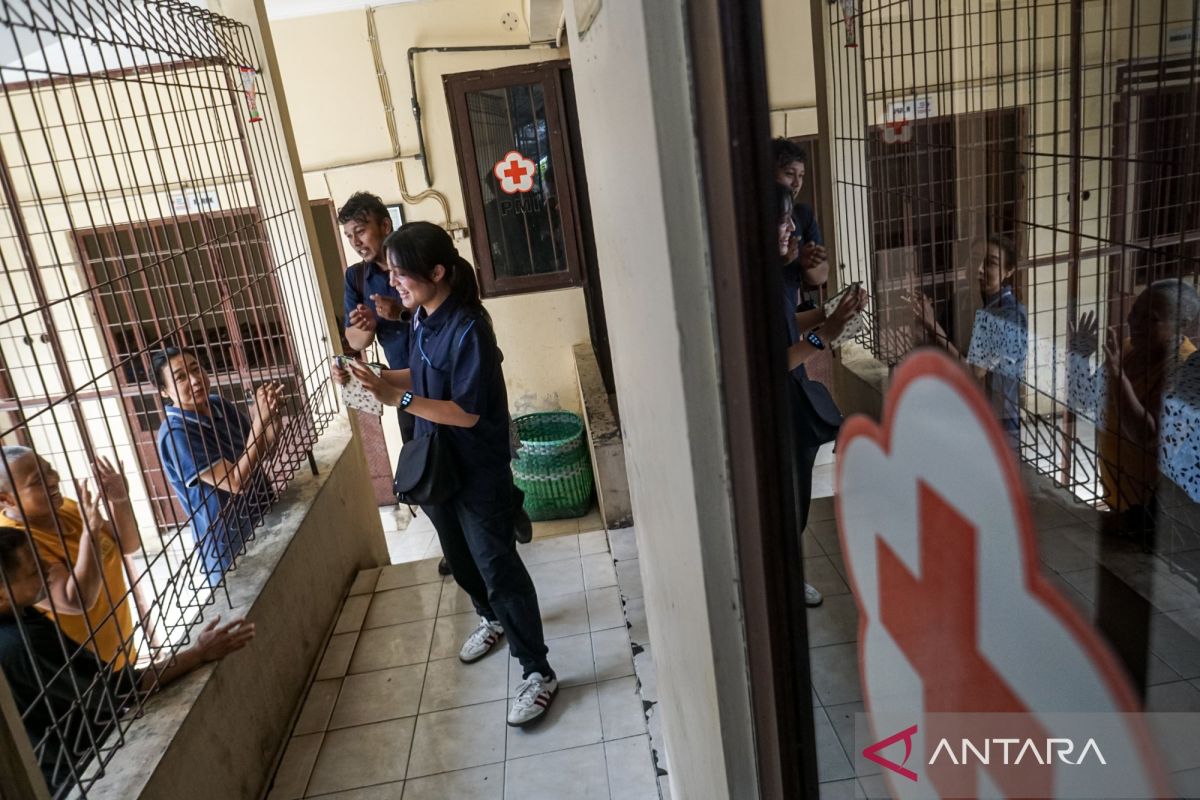
Jakarta (ANTARA) - The mental health crisis in Indonesia is not a new symptom, but rather a reality that has only begun to be comprehensively mapped as the national screening system reaches more people.
Latest data from the Ministry of Health, presented by Deputy Minister of Health Benjamin Paulus Octavianus during a Mental Health Awareness session, notes that one in seven people worldwide lives with a mental disorder. The prevalence remains high, ranging from 10% to 17% across all age groups, from children to the elderly. Mental disorders even rank second as a cause for the decline in the productive quality of life among the Indonesian population, higher than diabetes or cardiovascular diseases.
The Free Health Check-up (CKG) programme has become an instrument that reveals the scale of this issue more concretely. As of July 202 6, 33 million residents have undergone mental health screenings through this programme, with symptoms of depression and anxiety in school-aged children and adolescents recorded at approximately 1.6 times higher than in adult and elderly groups.
This figure aligns with broader findings that the highest national prevalence of depression is indeed within the 15 to 24 age group, far exceeding other age groups. This is because screening is now directly integrated with primary healthcare services. Symptoms that have long been hidden behind daily routines are now being recognised early, before developing into more severe crises.
Findings within the student group reinforce the urgency of such early detection. School-based surveys noted that the percentage of students contemplating suicide rose by about 1.6 times, from 5.4% in 2015 to 8.5% in 2023, while the percentage of those attempting suicide surged 2.7 times, from 3.9% to 10.7% over the same period.
The 11 to 17 age group was recorded as the group with the highest number of cases based on reports received by the Indonesian Child Protection Commission (KPAI). This increase in figures is closely linked to rising mental health literacy among the younger generation, making them more open to recognising and reporting symptoms compared to previous generations.
Mental health service capacity is also expanding alongside the increased reach of screening. The Ministry of Health notes that 6,549 community health centres (puskesmas) are now capable of providing mental health services, and 1,450 hospitals have similar services, supported by 1,484 psychiatrists distributed across 324 regencies/cities and 2,612 clinical psychologists in 311 regencies/cities.
The distribution of mental health professionals has not yet reached all regencies/cities in Indonesia, as the national psychiatrist ratio remains around one per 200,000 residents. Meanwhile, the ideal standard set by the World Health Organisation is one per 30,000 residents. This geographical gap is why a tiered approach—ranging from promotive, preventive, to curative and rehabilitative—is being used to address the shortage of health workers. This follows the framework established by the Ministry of Health to ensure that initial treatment does not rely solely on the availability of specialists in every region.