
Meningitis Outbreak Fears Grip Gaza as 15 Die
GAZA – The Gaza Strip is facing the threat of a meningitis outbreak amid the devastation of its health infrastructure, sanitation and clean-water networks caused by the war with Israel. The Palestinian Ministry of Health in Gaza has declared an epidemiological alert across the territory following a surge in cases of the disease, which causes inflammation of the membranes surrounding the brain and spinal cord.
Gaza health authorities recorded 272 cases of meningitis in October 2026. That is more than eight times the normal monthly average of between 30 and 50 cases.
According to the Palestine Chronicle, Nidal Ghoneim, an official at Gaza’s Health Ministry, said that 15 Palestinians had died from meningitis since the beginning of 2026. Five of the deaths were recorded between August and October.
Ghoneim warned that the disease posed a threat to thousands of Palestinians, particularly children and other vulnerable groups.
The danger is increasing as cases of bacterial meningitis, one of the most serious forms of the disease, have also risen sharply. The monthly total, normally between 10 and 20 cases, climbed to 108 in October.
Health authorities recorded a further 100 cases of bacterial meningitis from the beginning of November. The situation increases the risk of death and permanent neurological complications for survivors.
Data from the UN Office for the Coordination of Humanitarian Affairs (OCHA) also point to a worrying situation. Between 27 September and 31 October, 413 suspected meningitis cases were recorded in Gaza. Of these, 294 were suspected viral meningitis cases and 119 were suspected bacterial cases.
Sixty-eight per cent of the cases were found in Gaza City.
OCHA warned that the rise in infectious diseases was closely linked to overcrowded displacement sites, damaged sanitation systems and limited access to clean water.
In a humanitarian situation report dated 13 November 2026, OCHA said that, of 202 cases documented individually up to 5 November, about 77 per cent involved infants under one year old.
The findings highlight the vulnerability of infants and children to disease amid the protracted humanitarian crisis.
Sanitation infrastructure destroyed
Worsening environmental conditions are a key factor behind the rise in meningitis cases. Sewerage networks have been damaged, wastewater treatment facilities are not functioning properly, and residents’ drinking-water sources are at risk of contamination by sewage.
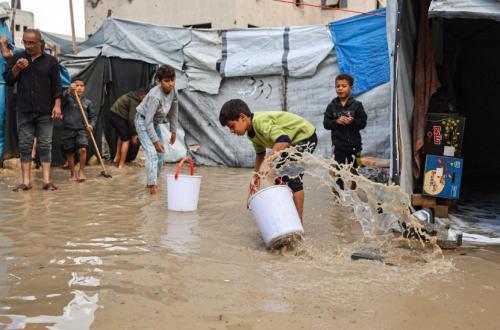
Crowding in displacement sites with limited hygiene facilities is further increasing the risk of disease transmission. The situation has been exacerbated by rain and flooding, which have spread wastewater into residential areas and displacement camps.
Laboratory tests have found that the viruses circulating in Gaza belong to the enterovirus group, which is associated with deteriorating environmental conditions. However, health authorities have been unable to identify the specific viral genotypes because of limited laboratory diagnostic equipment.
Gaza’s Health Ministry has blamed Israeli restrictions on the entry of maintenance spare parts, sterilisation materials and fuel needed to operate essential facilities.
Health authorities have called for urgent international intervention to repair clean-water and sanitation networks. They have also requested support to provide laboratory supplies, antibiotics and safe isolation facilities for patients.
The World Health Organization (WHO) and the United Nations Children’s Fund (UNICEF) have also called for emergency response plans to be activated to address the increase in cases.
Residents of Gaza have been urged to maintain personal hygiene, wash their hands regularly and use only clean water. They have been advised to go to hospital promptly if they develop symptoms such as a sudden high fever, severe headache, stiff neck or persistent vomiting.
The meningitis threat adds to the long list of health crises facing Gaza’s residents after more than three years of war with Israel destroyed civilian facilities, including hospitals, clean-water networks and sanitation infrastructure.
The crisis has continued despite a ceasefire agreement taking effect in October 2025. Shortages of medicines and medical equipment, combined with damaged health facilities, have further limited medical workers’ ability to diagnose and treat patients.
According to data from Palestinian health authorities, Israel’s war since October 2023 has killed more than 74,000 Palestinians and injured more than 176,000.
Source: jawawa.id (https://jawawa.id/newsitem/meningitis-outbreak-fears-grip-gaza-as-15-die-1795560620)
Originally published by Republika (https://news.republika.co.id/berita/tp10rn393/wabah-meningitis-hantui-warga-gaza-15-meninggal), translated from Indonesian