
Mendiktisaintek: Research Results Must Be Understood and Utilised by the Public
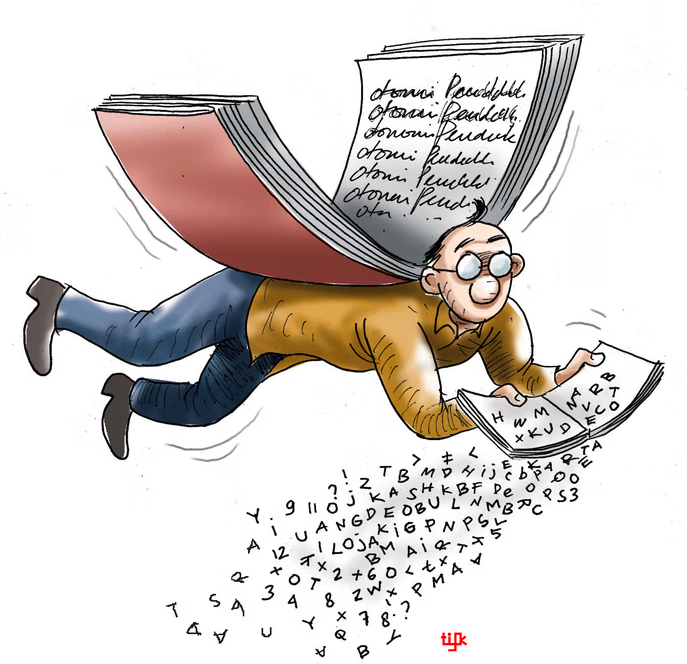
The government continues to promote the strengthening of science and technology dissemination so that research results do not remain confined to academic circles but can also be understood and utilised by the wider public. This is deemed essential for enhancing the quality of human resources (HR) and reinforcing the role of higher education in national development.
Minister of Higher Education, Science, and Technology (Mendiktisaintek) Brian Yuliarto stressed that various policies and programmes being implemented are aimed at broadening public understanding of science and technology.
“We want various policies and programmes, strong science and technology dissemination, so that we certainly hope the public will have a good understanding and also be part of research and education activities that can be understood by the public and policymakers,” said Brian on Monday (6/4).
He added that the involvement of the public and stakeholders such as local governments and industries is key to ensuring research outcomes deliver tangible benefits.
“So that the entire society can utilise the existing research results. Local governments and industries, therefore, once again, amid the many news stories circulating in society, we also want one that can become top of mind to be news about science and technology, news about higher education activities,” he continued.
Brian also emphasised the importance of building public interest in science and technology-based higher education. According to him, this will lead to the emergence of an excellent generation capable of competing globally.
“So that the public’s enthusiasm, understanding, and desire to produce HR as the best cadres of our nation who have strong mastery of science and technology to pursue higher education becomes better,” he stated.
Furthermore, he cited waste management as an example of an issue requiring collaboration between technology and public participation. Although waste processing technology continues to advance, active public involvement remains a determining factor for success.
He assessed that practices in developed countries show that successful waste management does not rely solely on technology but also on public awareness in sorting and managing waste from the source.
“If we look at how developed countries handle waste, even though there is advanced technology, when the public is actively involved in sorting waste, for example, in separating waste, in distinguishing which waste can be burned, which is toxic waste, electronic waste, that greatly helps the technological process or waste processing,” he explained.
Brian hopes that media support can strengthen the dissemination of information related to research and innovation, so that the development of science and technology does not become the consumption of limited circles.
“The development of science and technology is not just an ivory tower, it does not stop at universities, does not stop at the Ministry of Diktisaintek offices, but more broadly than that, it can be well understood, well known, and also followed and carried out or done together by the entire society,” he concluded.