
Mendes hopes Indonesia-China bilateral relations will address underdeveloped regions
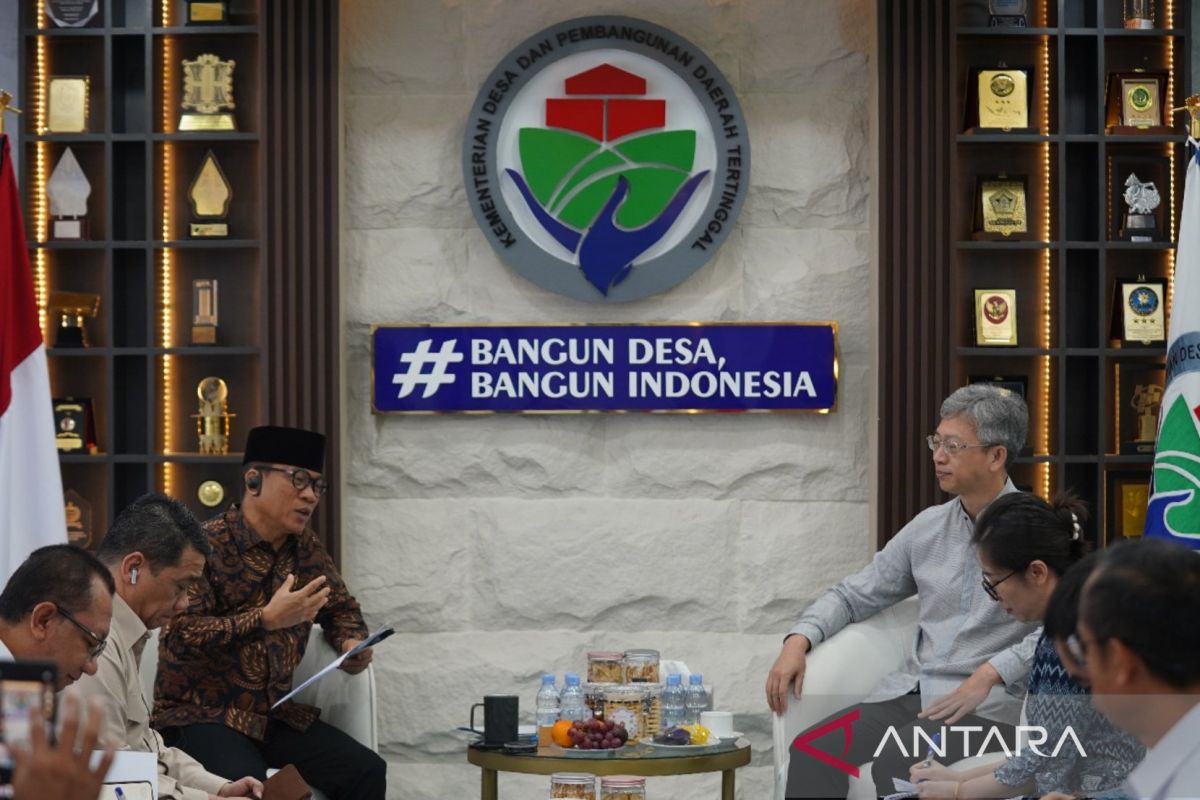
Bilateral international relations are not merely about providing social assistance but are also directed towards a new paradigm, namely the alleviation of underdeveloped regions. Jakarta (ANTARA) - Minister for Villages and Underdeveloped Regions (Mendes PDT) Yandri Susanto hopes that Indonesia-China bilateral relations can become one of the strategic instruments in addressing underdeveloped regions in the country. According to him, international relations are not just about providing social assistance but are also aimed at a new paradigm, namely the alleviation of underdeveloped regions through community empowerment and capacity enhancement to reduce the number of issues, particularly those faced in underdeveloped areas. “This meeting is expected to strengthen Indonesia-China bilateral cooperation in the field of rural development and poverty alleviation as well as ensure the smooth implementation of the programmes that have been planned for 2026,” said Minister Yandri when receiving an audience from the Ambassador of China to Indonesia, Wang Lutong, at the Ministry of Villages office, Jakarta, on Wednesday. Furthermore, he highlighted the importance of updating ministerial cooperation in the dynamics of government, especially when there are adjustments to names, nomenclatures, or ministerial structures, such as the change from the Ministry of Villages, Underdeveloped Regions Development, and Transmigration to the Ministry of Villages and Underdeveloped Regions Development. In addition, said Minister Yandri, the preparation of concrete work plans is no less important. This serves as a measurable roadmap to ensure smooth operations and guarantee the achievement of targets as expected by both parties. One example of a concrete work plan is the 12 Village Development Action Plans from the Ministry of Villages. The programmes in that action plan include Thematic Villages, Export Villages, and Tourism Villages. Minister Yandri said that these programmes are important for optimising local potential to improve community welfare sustainably and can drive national economic growth from the village level.