
Megathrust Earthquakes Under Discussion: Which Regions in Indonesia are Affected? Here is the Distribution
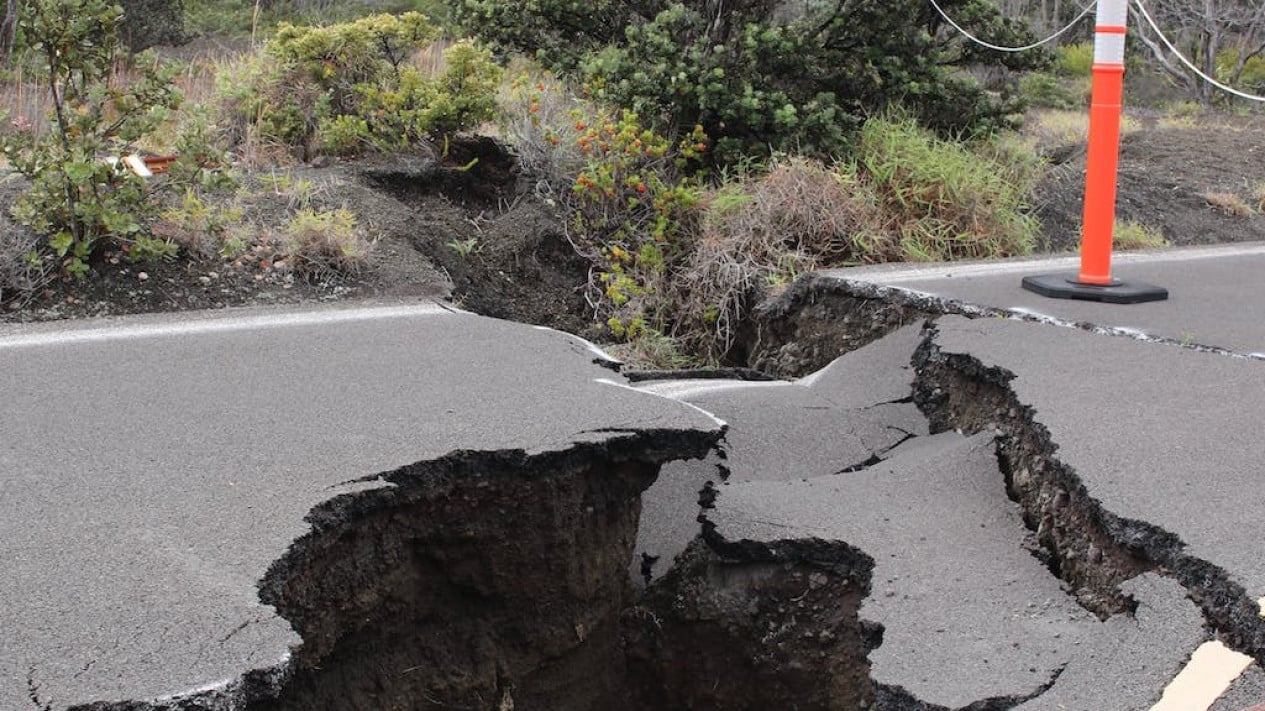
The issue of megathrust earthquakes is currently a subject of intense public discussion. Attention towards this issue has increased following several earthquakes in Indonesia and the eruption of Mount Anak Krakatau.
It is vital to understand this issue accurately to prevent widespread panic. To date, earthquakes cannot be predicted with certainty regarding their timing, location, or magnitude.
Rather than panicking, the public is advised to seek accurate information regarding the megathrust earthquakes that have recently been widely discussed.
According to the Yogyakarta Provincial Disaster Management Agency (BPBD) on Friday, 18 September 2026, a megathrust zone is a term used to describe earthquake sources caused by plate collisions at shallow depths. In this process, the oceanic plate subducts beneath the continental plate, creating stress on the contact plane between the plates, which can then shift suddenly and trigger an earthquake. If an earthquake occurs, the part of the continental plate situated above the oceanic plate is pushed upwards, a process known as thrusting.
Subduction paths are generally very long, with shallow depths covering the contact area between plates. In its development, the subduction zone is characterised as a large thrust fault, known today as a megathress zone.
In Indonesia, megathrust zones are located within active subduction zones, including:
Sunda Subduction, covering Sumatra, Java, Bali, Lombok, and Sumba
Banda Subduction
Maluku Sea Plate Subduction
Sulawesi Subduction
Philippine Sea Plate Subduction
Northern Papua Subduction
Currently, the potential of Indonesia’s megathrust zone segments can be identified. All earthquake activity originating from a megathrust zone is referred to as a megathrust earthquake and does not always involve large magnitudes. As an earthquake source, megathrust zones can generate earthquakes of various magnitudes and depths. Data from BMKG monitoring shows that smaller earthquakes actually occur more frequently in megathrust zones, although these zones are capable of triggering large-scale earthquakes.
South Java Megathrust
Based on the 2017 Indonesian Earthquake Source and Hazard Map, there are three megathrust segments in the Indian Ocean south of Java: the East Java Segment, the Central Java-West Java Segment, and the Banten-Sunda Strait Segment. These three megathrust segments have a target magnitude of M 8.7.