
Meet Sabo Dams: Critical Infrastructure on Volcanic Slopes for Disaster Mitigation
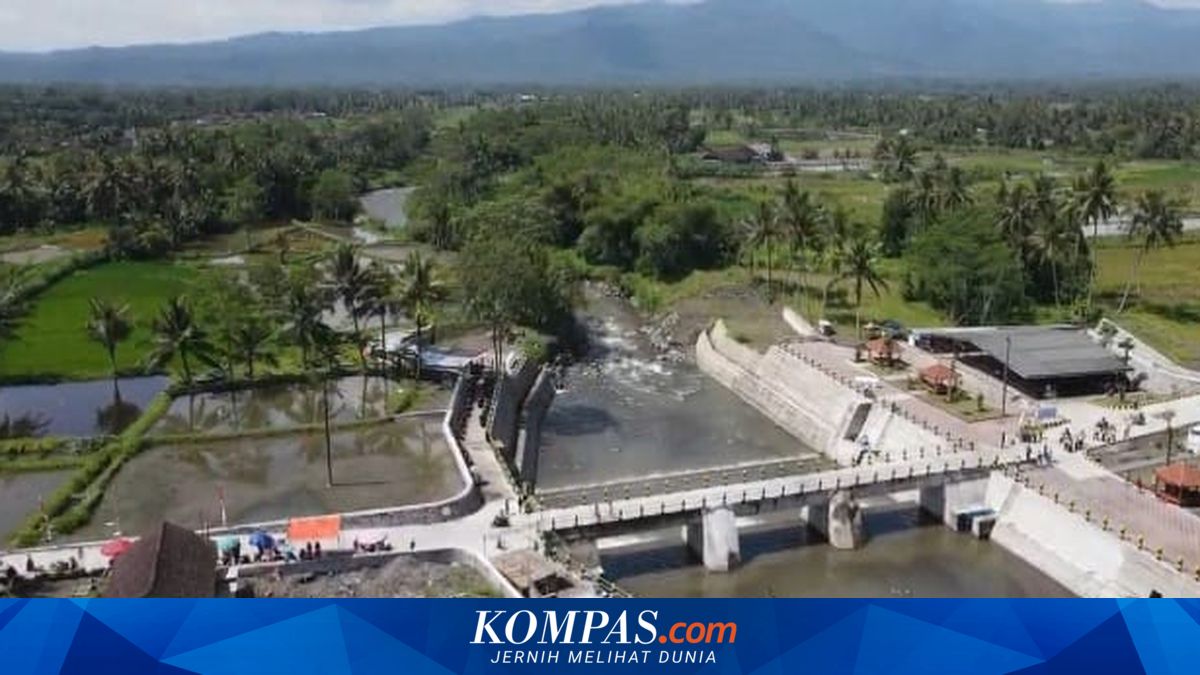
In various volcanic mountain slopes across Indonesia, concrete structures span river channels. Appearing like small dams at first glance, their function is crucial in reducing disaster risks. Known as sabo dams, these infrastructures are commonly built in areas prone to lahar and volcanic material flows, particularly around active volcanoes. The term ‘sabo’ originates from Japanese, with ‘sa’ meaning sand and ‘bo’ meaning control. As the name suggests, they are designed to manage the flow of sand, rocks, and other volcanic materials, preventing them from directly surging into downstream residential areas. According to the Directorate General of Water Resources under the Ministry of Public Works, sabo technology was first implemented in Indonesia in 1970. Introduced by Japanese sabo engineer Tomoaki Yokota, the system was designed to control sediment and lahar floods. These structures are specifically built to retain and manage sediment carried by rivers during heavy rainfall or volcanic eruptions. Therefore, sabo dams are typically constructed along river channels originating directly from volcanic areas. During intense rainfall or eruptions, materials such as sand, mud, and boulders can be carried in large volumes by the current. The purpose of sabo dams is to hold back these materials, preventing them from flowing directly into downstream populated areas. Although primarily associated with lahar control, sabo dams serve broader functions. The infrastructure also supports local community activities. In some regions, the sabo dam structures function as connecting pathways or bridges. Their sturdy construction allows communities to use them as inter-area mobility access.