
Medical sources warn of critical medical supply crisis in Gaza
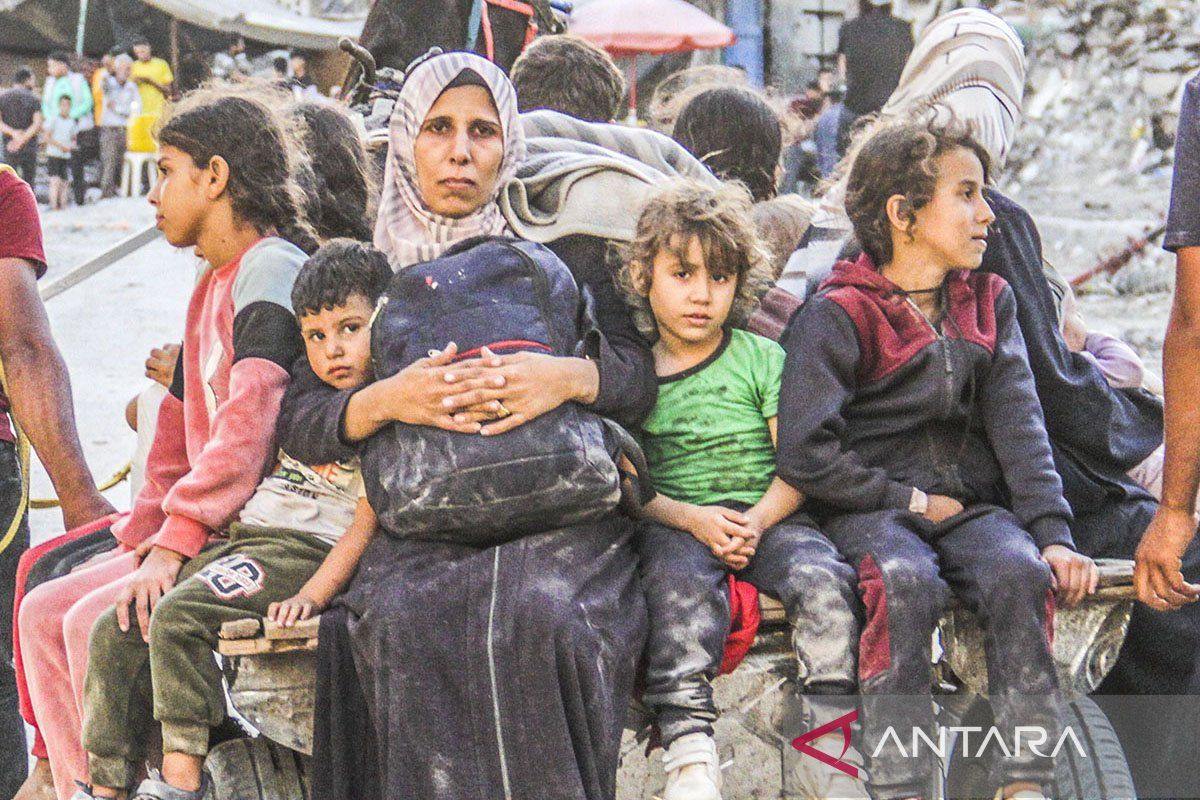
Gaza (ANTARA) – Medical sources warned on Sunday (24 May) of a critical shortage of medicines and medical supplies, exacerbating the healthcare crisis and threatening the lives of thousands of patients in the Gaza Strip, Palestine.
Sources said 250 kidney failure patients risk losing access to dialysis due to a shortage of Bibag solution, while treatment for eight sick children may be halted due to insufficient medical filters.
They added that a shortage of insulin injections is worsening the health of around 11,000 diabetic patients, while 110 haemophilia patients are severely affected due to a lack of VACTOR treatment in the Gaza Strip.
Last weekend, the World Health Organisation (WHO) for the Eastern Mediterranean Region described the collapse of healthcare services and human lives in occupied Palestine, including East Jerusalem, as a ‘terrible tragedy’.
In a statement published on Thursday (21 May), WHO’s Eastern Mediterranean Regional Director Dr Hanan Balkhy said over 72,000 people have died and 182,000 others have been injured since October 2023.
‘In 2025 alone, nearly 26,000 new deaths have been reported,’ Balkhy said.
She revealed that despite a ceasefire in October 2025, civilian killings continue, healthcare services remain disrupted, and humanitarian access is still limited.
Currently, she added, no hospitals in Gaza are fully operational, and none are functioning in northern Gaza. Moreover, over half of critical medicine stocks have been depleted, while thousands of patients still urgently need medical evacuation.
Furthermore, infectious diseases continue to spread amid population density and worsening health conditions. Mental health facilities are in high demand, while risks for mothers and newborns have sharply increased.
Regarding the West Bank, WHO confirmed the situation is deteriorating due to rising violence and access restrictions.
Financial crisis
The financial crisis facing Palestinian authorities is severely restricting healthcare services, with public hospitals only providing emergency care.
WHO and its partners continue to operate under extremely difficult conditions. The organisation has requested US$648 million (approximately Rp11.4 trillion) for health funding in 2025, but has so far received only 75% of the amount.
Despite the challenges, WHO has provided support by delivering over 4,000 metric tonnes of emergency medical supplies to Gaza and facilitating fuel shipments to keep healthcare systems operational.
Additionally, WHO continues to expand emergency treatment for the injured. Balkhy stressed that political statements alone are insufficient to sustain humanitarian operations.
She urged efforts to protect healthcare services, continuous humanitarian aid delivery, and the removal of restrictions hindering critical medical supplies and emergency medical teams.
Balkhy also called for international support to restore and expand healthcare services, reduce reliance on medical evacuations, and reopen referral routes from the West Bank.