
Measuring Financial Access Through Family Wellbeing
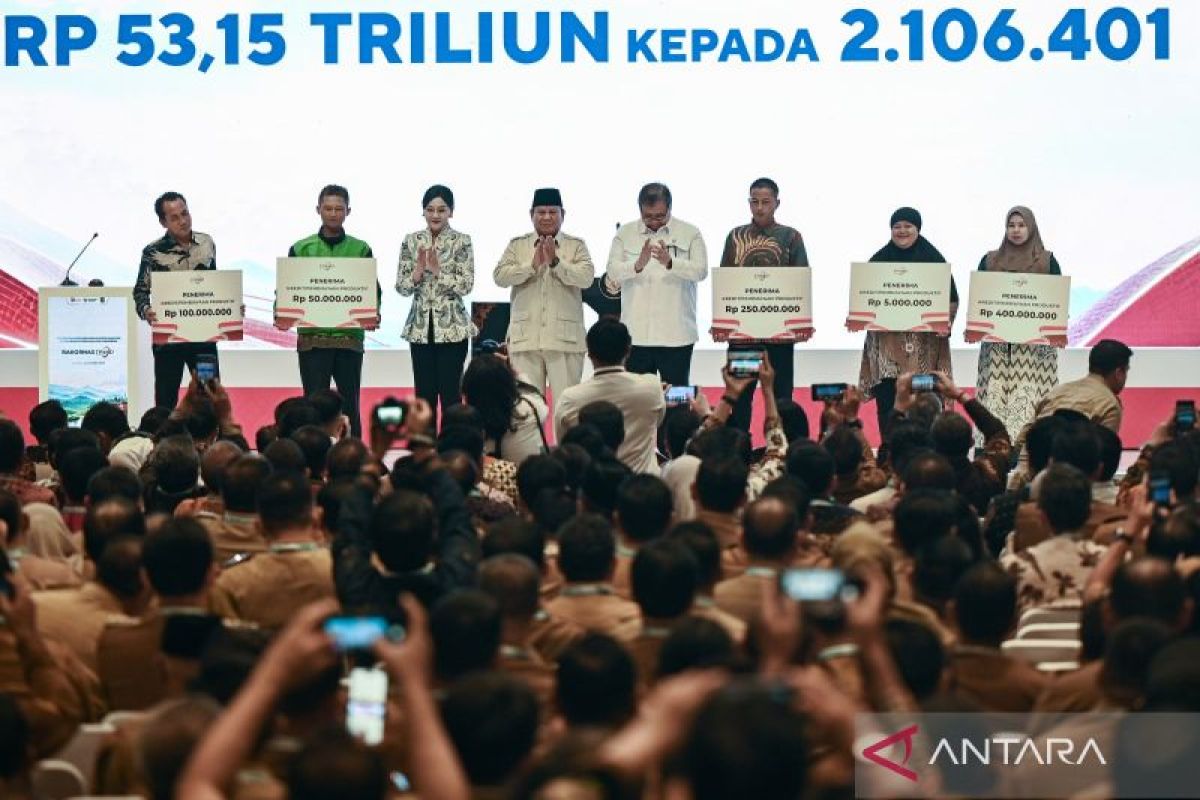
Jakarta (ANTARA) - Financial access is now measured by families’ ability to withstand economic risks, rather than by how many people have bank accounts.
The shift marks a new direction in government policy after President Prabowo Subianto inaugurated the National Council for Financial Wellbeing (DNKK) at the National Coordination Meeting of Regional Financial Access Acceleration Teams (TPAKD) on 22 October 2026. The government transformed the National Council for Financial Inclusion into the DNKK through Government Regulation No. 42 of 2026.
The name change also alters the policy yardstick. Until now, the government has measured financial inclusion by the number of people who have accounts and can access banking services.
Coordinating Minister for Economic Affairs Airlangga Hartarto said the DNKK targets three broader outcomes: the quality of families’ financial circumstances, their resilience to economic shocks, and their sense of security in managing money.
The financial literacy index has risen more slowly. The same survey recorded a figure of 69.57 per cent, leaving a 24.04-point gap between people who use financial services and those who understand them.
As a result, some people have bank accounts and even take out loans without sufficient knowledge to assess interest rates, repayment periods and the risks of using the funds.
The government highlighted this gap when introducing the DNKK. The national family-wellbeing strategy being prepared alongside the council’s establishment directs regional authorities towards two interconnected tasks: strengthening financial literacy and expanding financing for micro, small and medium-sized enterprises (MSMEs). Literacy helps ensure that access does not become a burden, while wider financing can provide an economic boost.