
MBG: Who Pays the Price for the Future?
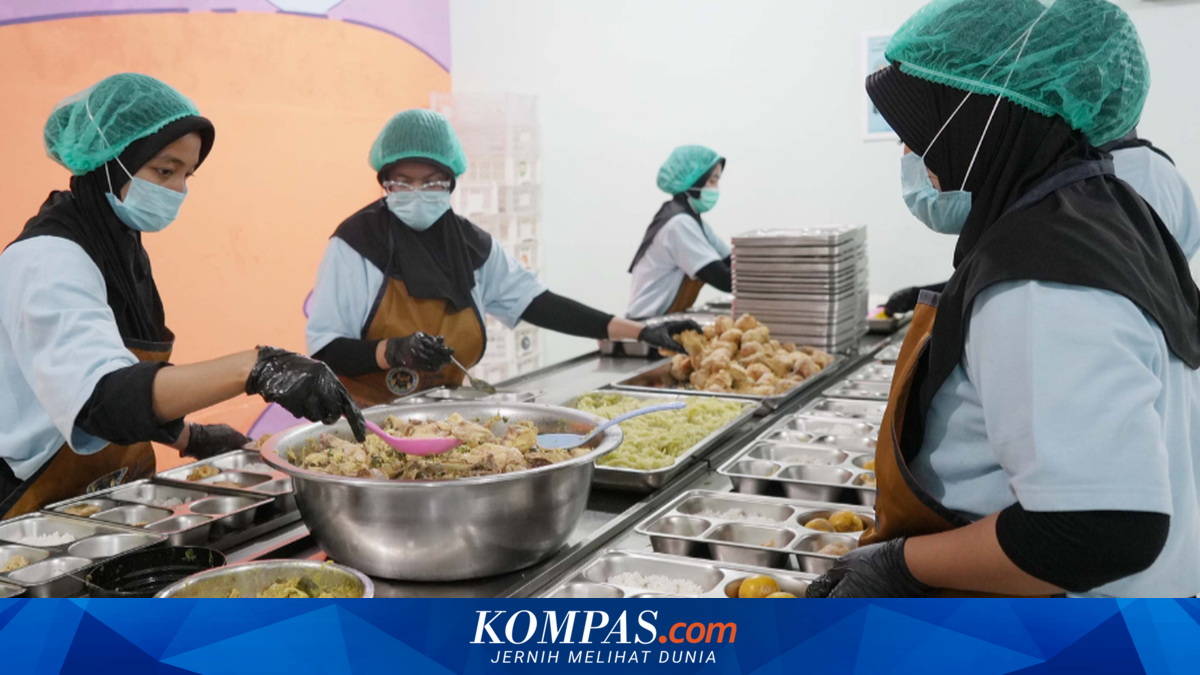
At one corner of the school, children now eat peacefully. In another corner, the small warung that was once bustling begins to count its days. The pot is still warm, the oil still sizzling, but customers no longer come as they used to. The change has happened quickly—too quickly for some to adapt. The Free Nutritious Meals Programme (MBG) brings great promises: improving children’s nutrition, preparing a healthier generation, and in the long term, strengthening the quality of Indonesia’s human resources. The government targets this programme to reach tens of millions of recipients gradually, making it one of the largest social interventions in recent years. This is an investment in the future that is hard to refuse. Who wouldn’t want to see children grow stronger, smarter, and more prepared to face the challenges of the times? Between the two, there is often a gap that not everyone can bridge. For some small business operators—warungs around schools, snack vendors, and micro-scale suppliers—the shift in consumption patterns is not just an adjustment. It is a shock. When food is provided centrally, customers who were once a source of livelihood slowly disappear. In several regions, complaints are emerging from vendors who claim to have lost part of their turnover since students’ snacking habits changed. It may not be recorded as large figures in official reports, but it feels real to those who depend on daily transactions. In policy terms, this condition is often called a ‘side effect’ or ‘transition period’. Terms that sound light, as if time will resolve everything on its own. But in everyday life, this is not just a phase. It is about keeping the kitchen fires burning, school fees that must be paid, and living needs that cannot be postponed. There is no long term for those who live from today’s earnings. It is here that a more fundamental issue arises: the injustice of time. We ask some people to be patient for benefits that will come. We believe that today’s investment will bear fruit in the future. But we forget that not everyone has enough time to wait for the results of that patience. Those who are hungry today can still be asked to hope for tomorrow.