
MBG, School Holidays, and the Importance of Risk Management
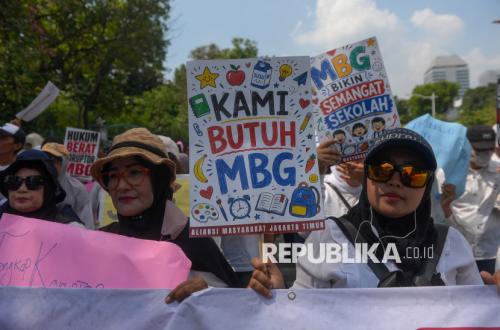
The temporary suspension of the Free Nutritious Meals (MBG) programme during holiday periods, as stipulated in the National Nutrition Agency (BGN) Circular Letter Number 12 of 2026, has drawn objections from many MBG administrators and entrepreneurs. They argue that the halt in services impacts kitchens, workers, food suppliers, and business cash flow, especially as some had already prepared raw materials and hired staff. However, this polemic should not be viewed in black and white. The government must not ignore the complaints of implementing partners, but MBG entrepreneurs also cannot position the state as a party that must always bear all their business risks.
This is where management becomes crucial. A programme as large as MBG cannot rely solely on good intentions. It requires tidy governance, clear communication, a definite work calendar, mature risk mitigation, and contracts that do not lead to misinterpretation. The MBG programme involves a long chain: menu planning, raw material procurement, kitchen management, labour payments, distribution to schools, food safety, quality control, and budget accountability. A change in one link can ripple out to many parties. Therefore, operational holiday policies should be designed from the outset, not decided suddenly or communicated after unrest arises.
When schools are on holiday, the government has a strong rationale to evaluate MBG operations. Children are not in school, distribution becomes more complicated, the risk of food missing its target increases, and potential budget waste must be prevented. A temporary halt can be understood as part of efficiency; the state should not spend money just to keep kitchens running when the main beneficiaries are absent. However, efficiency must not mean ignoring the impact on the ground. The government needs to ensure the suspension policy is implemented with sufficient notice, clear rules, and a reasonable transition period. Kitchens need to know when to stop, when to resume, how to handle already ordered raw materials, and what the minimum obligations are during the non-operational period.
On the other hand, MBG entrepreneurs must also improve how they read risk. Being a partner in a government programme does not mean the business is risk-free. Every public programme can change due to school calendars, budget evaluations, new regulations, audit results, target changes, or efficiency policies. Therefore, entrepreneurs should not build their business models on excessive optimism. Caution is essential, particularly when taking on debt, expanding kitchen capacity, recruiting workers, and making contracts with suppliers. If all business decisions are based on over-optimism, a small policy change can create significant pressure. MBG entrepreneurs need cash reserves, flexible supply contracts, realistic workforce planning, and emergency scenarios for temporary programme halts.
Risk management must become a core part of the MBG business. Entrepreneurs need to calculate the possibilities of school holidays, payment delays, changes in the number of beneficiaries, distribution disruptions, rising food prices, and government policy adjustments. These risks should not be considered surprises, as most can be anticipated from the start. Healthy protests should push for governance improvements, such as requesting the government to create an annual operational calendar, establish a minimum notification mechanism before service suspension, and open consultation spaces with partners before major policies are enacted.
Conversely, the government also needs to listen to the voices of field implementers. MBG kitchens are not machines that can be switched on and off without cost. There are daily workers, small suppliers, farmers, ranchers, vegetable traders, and local business actors who depend on the MBG supply chain. If the state wants efficiency, it must be managed intelligently so as not to create new social losses. The basic principle remains clear: MBG is a programme for the people, not a programme to guarantee the profits of entrepreneurs. Implementing partners are entitled to certainty and fair treatment, but they must also understand that the money managed is public money. If the programme runs when there are no clear beneficiaries, the public has the right to question whether the budget is being used appropriately. A middle ground is needed. During school holidays, the government can suspend regular services to students but still open a limited scheme for the most vulnerable groups, such as toddlers, pregnant women, breastfeeding mothers, or children from vulnerable families who can be reached through special mechanisms.