
MBG: Proof of President Prabowo's Pro-People Stance Reaching the Plates of the Poor
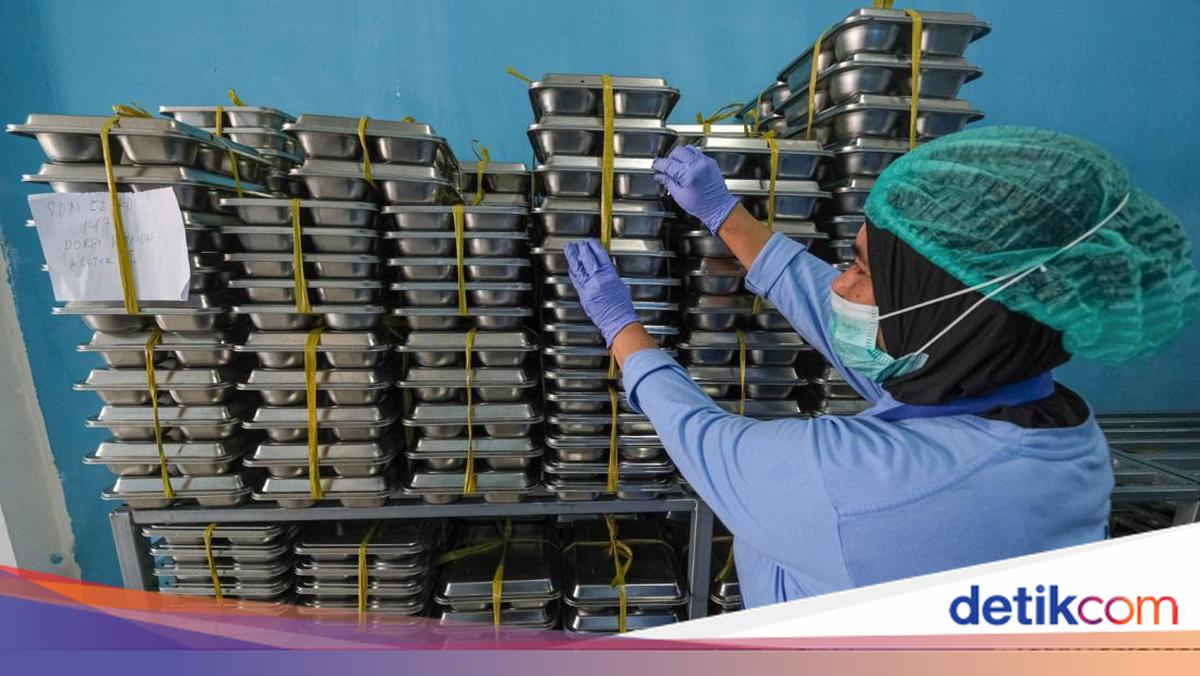
The Free Nutritious Meal (MBG) programme is tangible proof that the government is present for the people. It is not merely a promise or political slogan, but a reality in the form of nutritious food received daily by schoolchildren, pregnant women, and breastfeeding mothers who need it.
In governance studies, the concept of the Welfare State explains that the state is obliged to guarantee the basic needs of the people, such as food, health, and education. The larger the budget allocated for public welfare, the higher the government’s alignment with the people. Furthermore, the Pro-Poor Growth theory states that development success is not only measured by economic growth, but also by how much the benefits of that development are felt by the lower classes.
Through MBG, President Prabowo demonstrates that the state budget must return to the people. For this reason, the government has allocated approximately Rp335 trillion for the MBG programme in 2026. This budget is intended to reach around 82.9 million beneficiaries across Indonesia.
Interestingly, the benefits of MBG are not only felt by the direct recipients. The programme also serves as an engine for the people’s economy. Around 58,935 MSMEs are involved as suppliers in the MBG supply chain out of a total of 140,000 suppliers. Beyond MSMEs, cooperatives, village-owned enterprises (BUMDes), farmers, livestock breeders, fishermen, and other small business actors also reap economic benefits from the programme. Furthermore, by 2026, MBG has absorbed approximately 1.28 million workers employed in the SPPG kitchens.
This means that every rupiah spent by the state not only provides nutritious food for the community but also becomes a source of income for millions of Indonesians. From an economic perspective, this is known as the Multiplier Effect, introduced by John Maynard Keynes. When the government spends its budget on the people, the money circulates back into the community and creates greater economic activity.
Therefore, MBG is not merely a free nutritious meal programme, but a programme for human development and simultaneous economic empowerment of the people.
In Islam, siding with the community is also a noble teaching. The Prophet Muhammad (PBUH) said: ‘The best among you are those who feed others.’ (Narrated by Ahmad). This hadith teaches that providing food and ensuring the basic needs of the community are met is a most noble deed.
Amidst various political debates, one undeniable fact is that President Prabowo chose to allocate hundreds of trillions of rupiah to the people through MBG, rather than enriching certain groups or benefiting oligarchs. State funds are used to feed schoolchildren across Indonesia, drive MSMEs, assist and empower farmers and fishermen, and create jobs for millions of Indonesians.
For this reason, MBG deserves to be called one of the clearest proofs of President Prabowo’s pro-people stance, reaching right down to the plates of the common people.