
MBG Programme Evaluation Focuses on Governance and Service Quality, Says Qodari
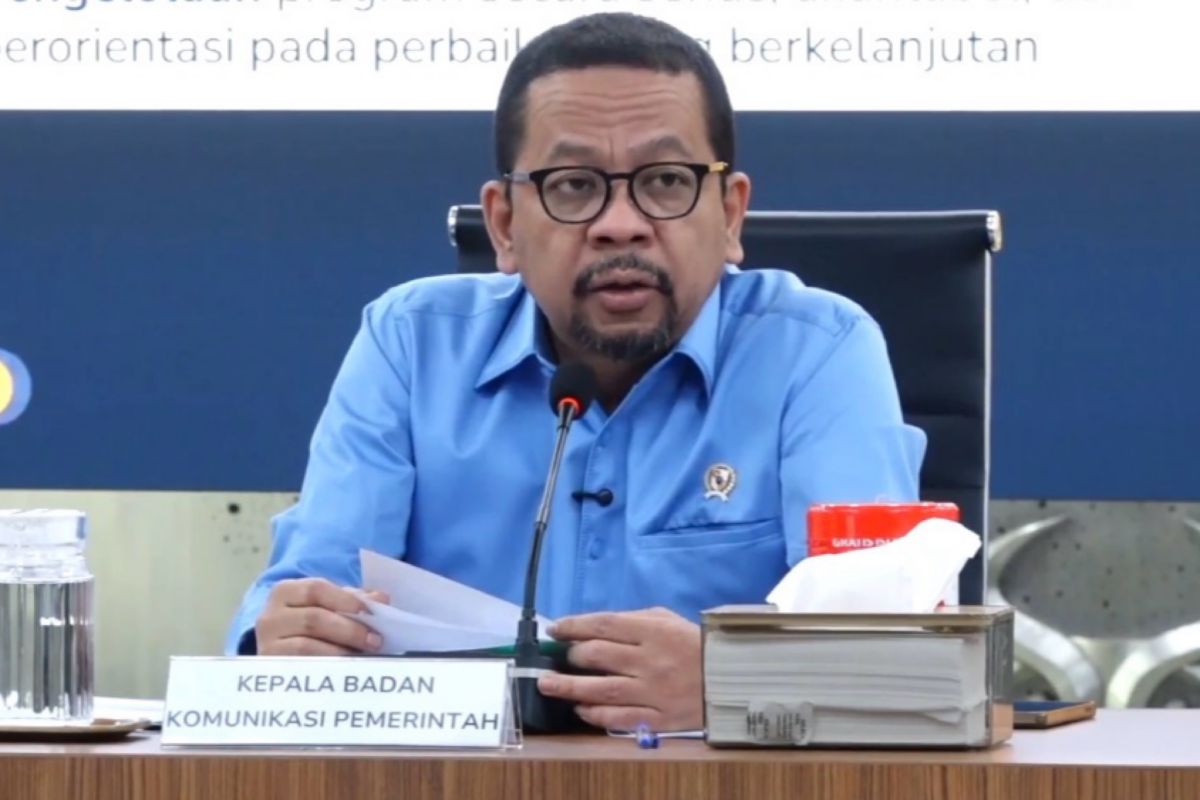
Jakarta (ANTARA) - The Head of the Government Communication Agency of the Republic of Indonesia (Bakom RI), Muhammad Qodari, stated that the evaluation of the implementation of the Free Nutritious Meal (MBG) programme is currently focused on strengthening governance, improving service quality, and expanding the reach of beneficiaries.
Qodari, in a statement received in Jakarta on Tuesday, explained that one aspect of concern is the incentive scheme for Nutrition Fulfillment Service Units (SPPG). Currently, he noted, every SPPG receives the same amount of incentive without considering the number of beneficiaries.
Moving forward, this scheme will be changed so that incentives are adjusted to the service coverage of each SPPG. “In the future, this will be adjusted to the number of beneficiaries, so the incentives for SPPG will vary, which could save up to Rp1 trillion in one year,” said Qodari.
In addition to the incentive scheme, he said the government will also improve the operational governance of the SPPG. This restructuring is being carried out to ensure that all SPPGs meet established standards, ranging from equipment completeness to aspects of health and operational safety.
“The existing SPPGs will be reorganised in terms of their management,” he said.
The government will strengthen supervision regarding nutritional content and food hygiene to ensure the benefits of the MBG Programme are optimised. “The product is food; its nutritional value and hygiene will also be better regulated,” he added.
Qodari added that the evaluation is also directed towards expanding the scope of beneficiaries, particularly for communities in 3T areas (underdeveloped, frontier, and remote) that are not yet optimally served. Furthermore, the government will pay more attention to the ‘3B’ group, namely pregnant women, breastfeeding mothers, and toddlers, who are the most vulnerable groups to nutritional deficiencies.
“The periods most prone to nutritional deficiency are also the most appropriate moments to perform nutritional interventions,” he said.
Qodari emphasised that the MBG programme aims not only to address malnutrition but also to serve as part of the effort to improve the overall health quality of the Indonesian people, especially for children.
To support the refinement of the programme, Qodari said the government will also strengthen cross-sector coordination. Synergy will be established with local governments, the Ministry of Health, the Ministry of Education, and the National Economic Council (DEN) to ensure the implementation of the MBG Programme becomes increasingly integrated.