
MBG Programme Designed to Meet One-Third of Nutritional Needs of Children and Vulnerable Groups
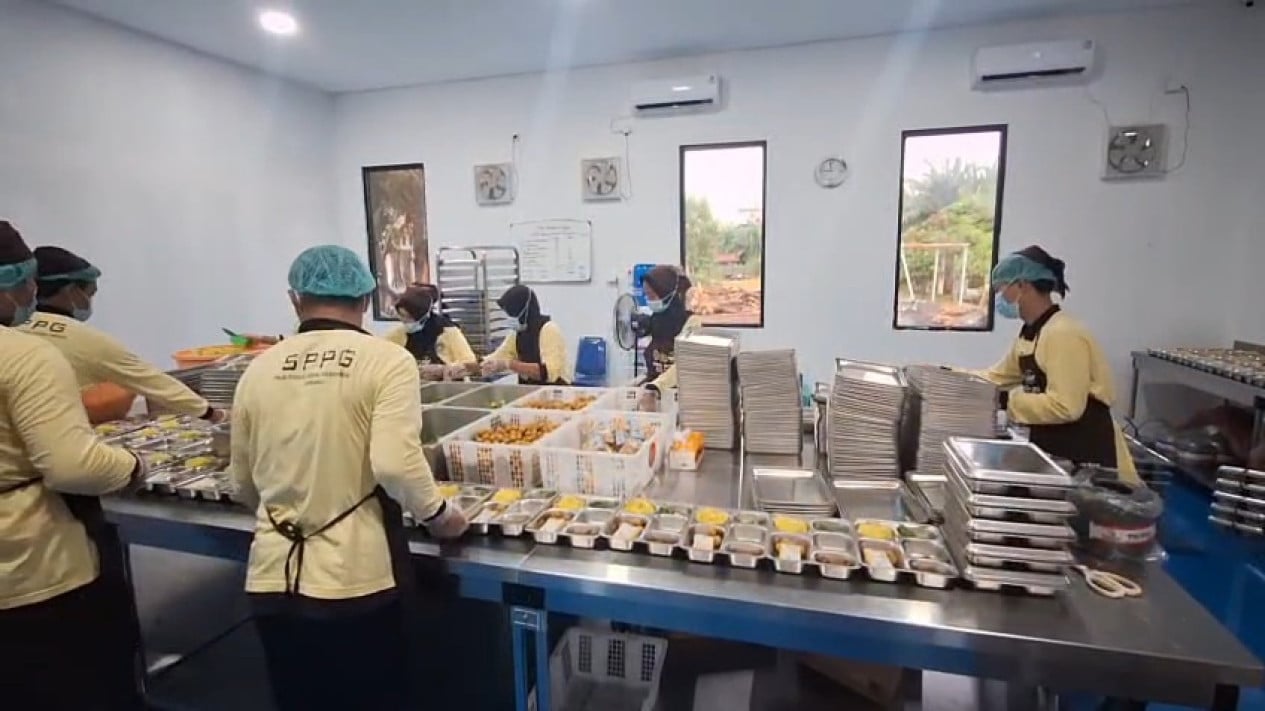
The Free Nutritious Meal (MBG) programme is not just about distributing food in schools, but a strategic intervention to address nutritional problems in vulnerable groups.
Data from the Research Institute of Socio-Economic Development (RISED) in early February 2026 showed that 81% of vulnerable families expressed their support for the continuation of the MBG programme.
“Especially in smaller cities, parents believe that MBG can provide nutritional security for schoolchildren,” as quoted from RISED data on Friday, 15 May 2026.
This was also confirmed by Dewi Marfuah, S.Gz., a representative of the Scientific Division of the Indonesian Nutrition Association (Persagi), who is also a lecturer in the S1 Nutrition programme at the Faculty of Health Sciences (FIK) of Muhammadiyah PKU Surakarta University (UMPKU). According to her, MBG is designed to meet almost one-third of the nutritional needs of its recipients.
“The MBG programme is designed to meet one-quarter to one-third of the daily nutritional needs of children. With a balanced nutritional menu that includes carbohydrates, animal protein, vegetable protein, vegetables, and fruit, students are expected to have enough energy to concentrate on their studies without feeling weak,” said Dewi.
She also highlighted the real dilemma found in the field, where many schoolchildren go to school on an empty stomach due to economic constraints at home.
“The hope is that this MBG programme can replace one meal that is often missed, especially breakfast,” she said.
Based on her experience in community service at schools, the number of students who do not have breakfast is often greater than those who do. One story comes from a parent named Ibu Adriana Hedmunrewa, a resident of Kalinawano Village, West Sumba, NTT.
Her story reinforces the positive changes experienced by her child, Antonio Adrian Stefanus, a 6th-grade student at Weetabula II State Elementary School. Ibu Adriana admitted that she was very grateful for the MBG programme because her child is now more active and enthusiastic in the learning process.
“In my opinion, this is very helpful. While waiting for the break, they have already eaten the MBG meal. Their learning activities at school have also become more active. Now, he can study mathematics on his own, without help,” said Adriana.
“When my child received his report card, his grades improved by an average of eight. Physically, he also looks fresher and more energetic,” she said.