
MBG Programme Deemed Successful in Improving Eating Habits and Introducing Children to Vegetable and Fruit Menus
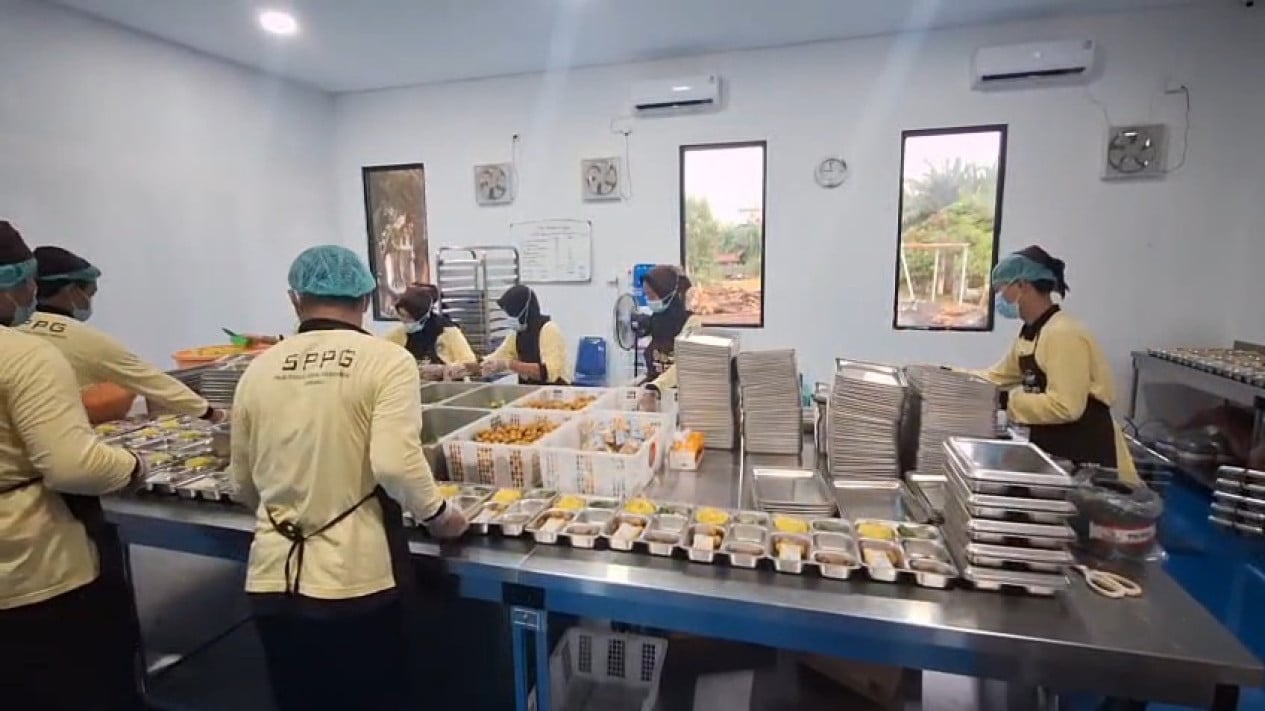
Around 80% of parents of children benefiting from the Makan Bergizi Gratis (MBG) programme have reported improvements in their children’s eating habits due to the initiative.
Data from the Research Institute of Socio-Economic Development (RISED) also notes efforts to introduce vegetables and fruits from an early age, enabling children to become more accustomed to eating vegetables and proteins.
Paediatric specialist and health educator, Dr. Andi Khomeini Takdir, alias Dr. Koko, emphasises that in the long term, intake of vegetables and fruits will be highly effective in reducing the risk of non-communicable diseases such as diabetes and obesity from an early stage.
He affirms his support for the MBG programme and views it as a concrete step by the government in fulfilling national nutritional adequacy.
“The demographic bonus is not just about population numbers, but also their quality. The government’s efforts to provide nutritional adequacy are commendable, and I have always supported it from the start,” said Dr. Koko in his statement on Friday, 24 April 2026.
Dr. Koko’s statement aligns with findings from Poltracking Indonesia’s latest survey. The results show that the MBG programme is one of the government initiatives receiving the highest public expectations and support.
The public sees this programme as a real solution for lower-middle-class families to ensure their children’s daily meal needs, at least once a day. Interestingly, Dr. Koko stresses that nutritional fulfilment does not need to be complicated. He suggests that programme management remains accountable but simple in presentation.
“Back to basics. Rice, fish, vegetables, eggs, or shredded chicken—that’s sufficient. Don’t make it complicated. Children who regularly consume MBG will have their palates trained (taste education), so they won’t become picky eaters,” said Dr. Koko.
Although it has broad impacts and benefits, Dr. Koko acknowledges that the programme still requires input and improvements. As a massive-scale programme feeding millions of people, Dr. Koko recognises technical challenges in the field.
“Therefore, I invite the public to view it as a major process that needs to be monitored together,” he stated.