
MBG Programme Deemed in Need of Implementing Cold Chain System as Technical Standard
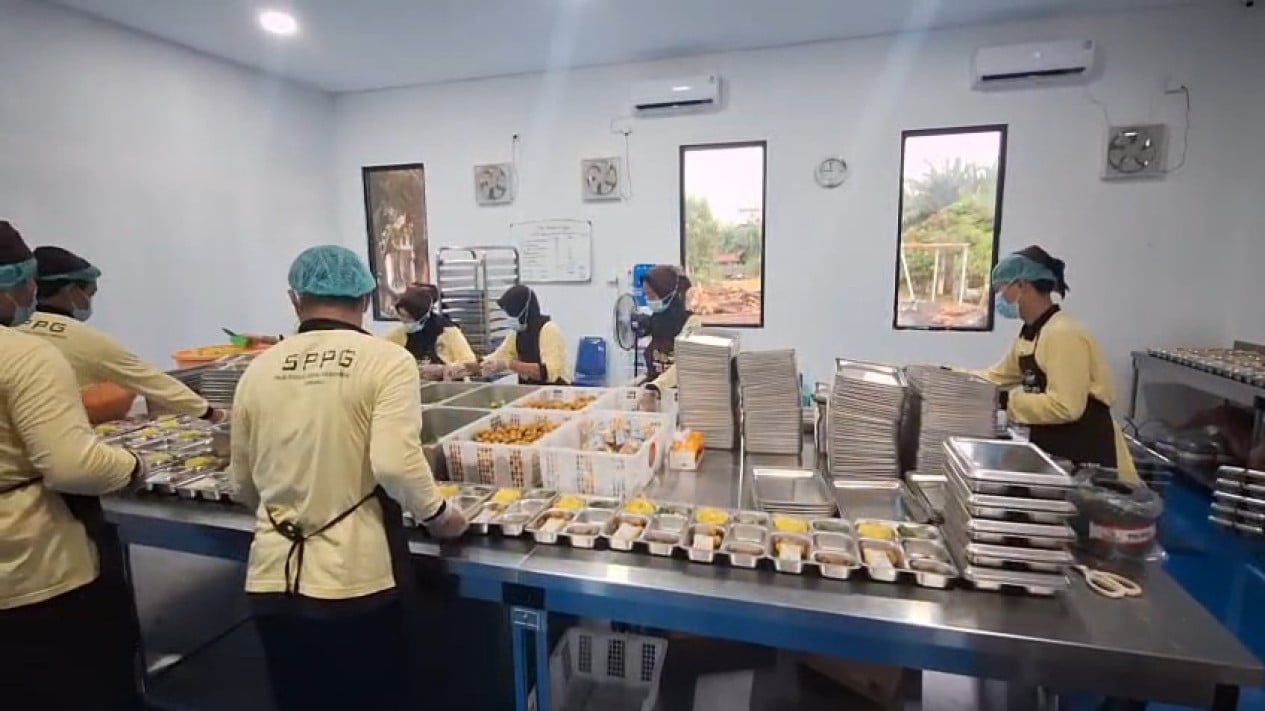
The National Nutrition Agency’s (BGN) intensified surprise inspections (sidak) on various Nutrition Fulfilment Service Units (SPPG) in the regions represent an important step towards national standardisation. These inspections aim to ensure that food quality in one area does not differ significantly from another. By 1 April 2026, 1,256 SPPG in eastern Indonesia have had their operations temporarily suspended. Food Technology Expert Yuyun Anwar stated that BGN’s field evaluations are a form of responsibility to ensure that technical guidelines are properly implemented. “Many partners have not fully understood the technical standards for processing food in large quantities. This situation is very risky if not addressed immediately,” said Yuyun in her statement on Friday, 3 April 2026. Yuyun explained that BGN has provided basic guidelines through the pre-requisite programme. However, the implementation of important technical aspects such as troubleshooting and preventive measures still needs to be optimised. “If not fixed soon, this otherwise good programme could face major criticism,” she said. Yuyun proposes the implementation of cold chain catering for the MBG programme. The cold chain system is capable of maintaining stable product temperatures from initial production to the consumer’s hands. This method is deemed able to preserve food freshness, prevent contamination, and reduce waste risks. “The goal is for the Free Nutritious Meals programme not only to succeed quantitatively but also to guarantee quality, safety, and public trust,” said Yuyun. By rapidly cooling food after cooking and keeping it at low temperatures during distribution, the growth of pathogenic bacteria can be significantly suppressed. A study in the Journal of Food Protection shows that temperature management errors between 5°C and 60°C are the main cause of more than 70 percent of food safety incidents in large-scale catering services. “We are talking about managing 3,500 portions of food with a capital turnover of up to Rp 52 million per day. This is where reengineering the production process is important. I am not part of the government, but I want to share practical experience,” said Yuyun.