
MBG Poisoning Cases Viewed as Systemic Issue Rather Than Isolated Incidents
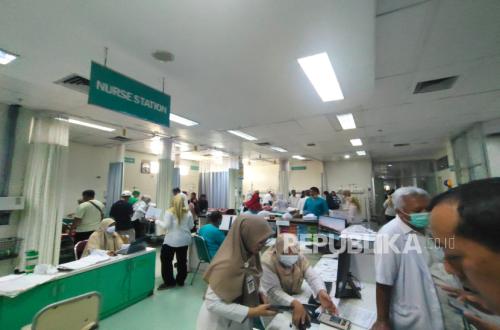
Galau D Muhammad, a member of MBG Watch, has highlighted the rising frequency of MBG poisoning cases across various regions recently. According to him, these incidents can no longer be viewed as isolated, case-by-case events, but rather indicate a systemic problem in the implementation of the MBG programme.
“These poisoning cases are no longer case-by-case; this is a systemic issue that will lead to widespread tragedies,” Galau stated during an interview on Thursday (10/09/2026).
He criticised the reasons often used by the National Nutrition Agency (BGN) to justify these incidents, such as issues in food distribution, school meal presentation, or processing errors in kitchens. He argued that if these were merely logistical factors, such widespread poisoning should not be occurring across the country.
According to Galau, the issues began during the kitchen appointment process. “I must say that the appointment of kitchens and several procurement vendors in the MBG programme lacks transparency. It does not even go through the open e-procurement process via the LKPP (National Public Procurement Agency),” he said.
He added that the procurement pattern and kitchen appointments remain closed and centralised, which ultimately impacts the programme’s execution. “The reason cooking takes so long is that the kitchens are far away. Furthermore, the kitchens cannot identify which food meets the nutritional quality required by school children because everything is rushed,” Galau explained.
MBG Watch also discovered that Food Service Production Units (SPPG) are operating over capacity. “As a result, food is prepared from the early hours of the morning. If we were to use school canteens or local women’s groups (PKK) around the schools, they would be better able to ensure the quality and safety of the food produced,” he suggested.
Galau also noted that MBG Watch found instances of excessive working hours in SPPGs, including for nutritionists, with some working between 10 to 12 hours a day. He believes this creates a margin for human error during processing and serving due to inhumane working conditions.
The MBG Watch team recently visited students at SMAN 1 Lasem in Rembang Regency, Central Java, who were hospitalised due to suspected MBG poisoning. Galau reported that the students expressed trauma regarding consuming MBG in the future.
During a visit on Saturday (05/09/2026), the team found that about a dozen students were still hospitalised. There were 777 victims in the suspected poisoning case at SMAN 1 Lasem, consisting of 752 students and the remainder teachers.
Based on interviews with four hospitalised students, the team confirmed that the students had consumed no food other than the MBG meals before experiencing symptoms. “Therefore, any reports suggesting that this might be due to outside food sources are refuted by the students’ statements that they consumed nothing else,” Galau said.
When asked if they would be willing to consume MBG again, some students replied they would prefer to bring lunch from home, while others suggested that food must be checked first, indicating clear trauma among those hospitalised.
Some parents of hospitalised children are calling for a total evaluation of the MBG programme, with some even suggesting that the programme be replaced by providing pocket money instead of prepared meals.
Galau emphasised that the poisoning cases in SMAN 1 Lasem and elsewhere are not unavoidable accidents. “This is a real consequence of negligence in the governance of the MBG programme,” he stated.
“We remain committed to standing by the affected victims, even if the victims’ families decide to pursue material lawsuits,” Galau added.