
MBG Incentive Scheme Changes: SPPG Now Paid Rp2,000 per Portion Starting 5 October
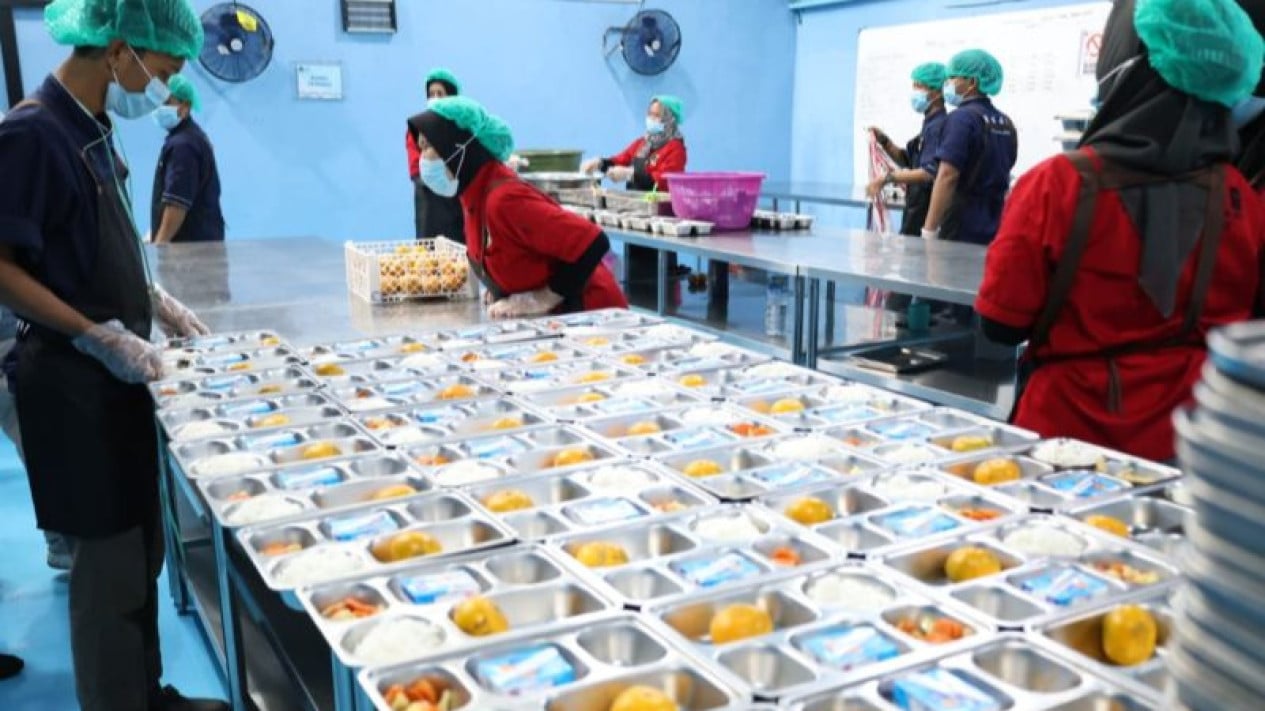
The government has begun altering the mechanism for providing incentives to Nutrition Fulfilment Service Units (SPPG) within the Free Nutritious Meal (MBG) programme. From Monday, 5 October 2026, incentives will no longer be provided at a fixed value, but will instead be calculated based on the actual number of food portions distributed.
Under the new scheme, SPPGs will receive an incentive of Rp2,000 for every portion served. However, there is a maximum payment cap of Rp6 million per day for each SPPG.
This change in mechanism means that the amount of incentive will adjust according to the service volume of each SPPG kitchen. Consequently, SPPGs that do not serve the full number of recipients will not automatically receive the maximum incentive.
Government Potential for Greater Savings
Economist at the Centre of Reform on Economics (CORE) Indonesia, Yusuf Rendy Manilet, assesses that the new scheme is more efficient from a budgetary perspective compared to the previous mechanism.
Previously, each SPPG received a fixed incentive of Rp6 million per day without considering the number of recipients served. In practice, this mechanism used a capacity of 3,000 portions as the benchmark for payment.
“From a budgetary standpoint, this new scheme is almost certainly more efficient. Previously, each kitchen received Rp6 million per day without accounting for the number of recipients, as if all SPPGs were always operating at a maximum capacity of 3,000 portions,” said Yusuf on Sunday, 4 October 2026.
Under the new scheme, payments are made based on the number of portions actually provided to the beneficiaries.
As an illustration, an SPPG distributing 2,000 portions a day will receive an incentive of Rp4 million. Meanwhile, an SPOG reaching 3,000 portions will earn the maximum incentive of Rp6 million per day.
Yusuf estimates that if the average service remains around 2,000 portions per kitchen, the incentive requirement could roughly decrease by about one-third compared to the previous scheme.
This efficiency has the potential to generate budget savings of up to tens of trillions of rupiah per year. Nevertheless, a reduction in incentive payments does not automatically mean that state expenditure will decrease by the same amount, as the budget absorption for the MBG programme remains below the ceiling provided by the government.
Portion Data Becomes a Critical Factor
The change in the payment system also introduces new challenges. As the number of portions becomes the basis for calculating incentives, the accuracy of recipient data and the number of meals distributed becomes increasingly vital.