
MBG Improvement Starts with Transparency and Targeting Accuracy
Jakarta (ANTARA) - Communications expert Dr Emrus Sihombing has said that evaluating and improving the governance of the Free Nutritious Meal (MBG) programme must begin with programme transparency, accurate targeting, stronger oversight systems, and higher food safety standards.
“If children whose nutritional needs are already met continue to receive MBG, the programme’s benefits become less than optimal. The state must prioritise those who genuinely need nutritional support,” he said in Jakarta on Thursday.
He said state nutritional interventions should be prioritised for children from poor families, neglected children, communities in underdeveloped, frontier and outermost (3T) regions, as well as pregnant women, breastfeeding mothers and infants and toddlers (3B).
In his view, MBG meals that went unconsumed by beneficiaries in previous implementations indicate that targeting has not been entirely accurate.
This, he said, not only wastes budget but also reduces the programme’s effectiveness.
“Determining recipients must not be based solely on school enrolment. There must be clear screening, covering families’ economic circumstances, nutritional status, and each child’s needs. Only after that should eligibility be decided,” he explained.
According to Emrus, the current school holiday period is the right moment to update beneficiary data nationally so that MBG implementation in the new academic year can be better targeted.
“A pilot project should be set up first, rather than rolling it out sporadically,” he said.
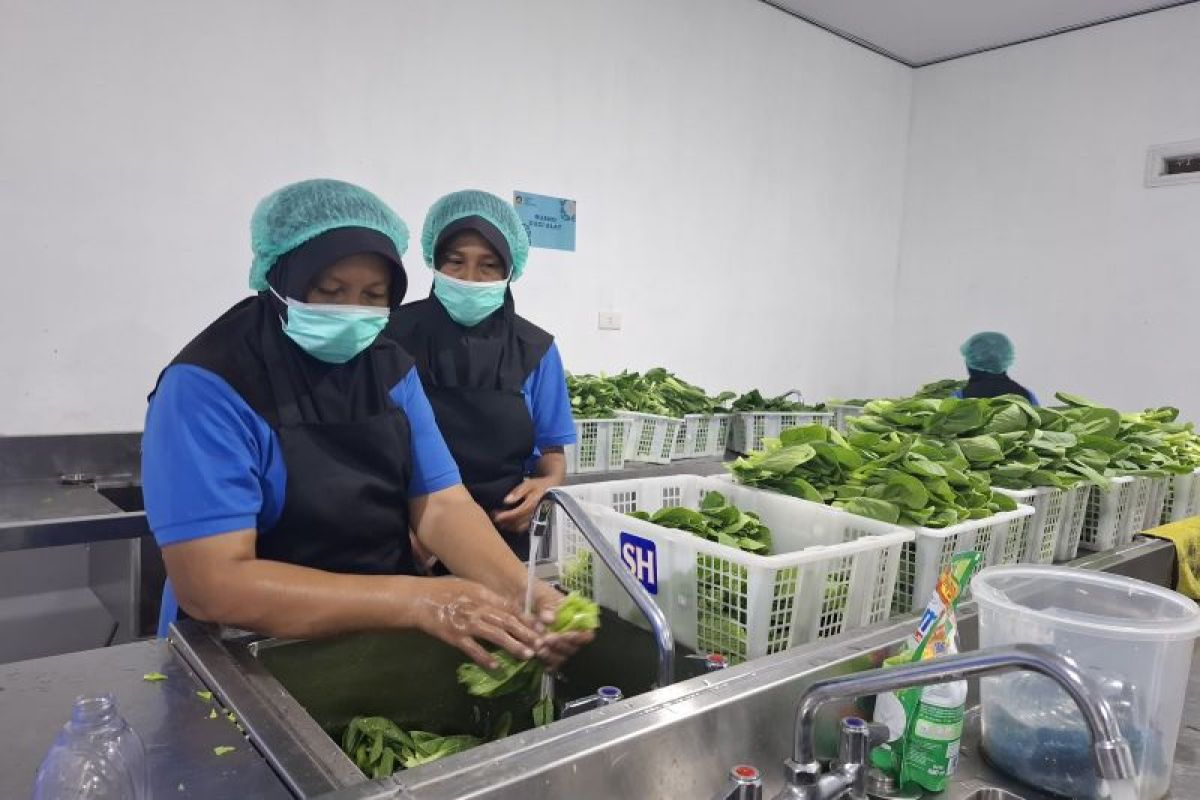
Beyond his assessment of beneficiary targeting, he also highlighted the governance of the Nutrition Fulfilment Service Units (SPPG), noting that many MBG kitchens are new units with no experience of producing food in large quantities, so food safety deserves serious attention.
“I support expanding the role of food providers to school canteens or culinary businesses with proven experience. They have long demonstrated an ability to manage food daily to more tested standards,” said the political communications observer.
He said that if school canteens lack sufficient capacity, the government could partner with PKK groups, mothers’ community organisations, school cooperatives, as well as local food stalls and small and medium enterprises (SMEs).
Emrus also said transparency should be an essential part of MBG management.
He proposed that food provider kitchens be designed to be more open so that the production process can be monitored by the public.
“Public oversight is very important. Kitchens should be made more transparent so that people can directly observe how food is prepared. That way, the chance of irregularities or negligence can be minimised,” he said.